The Ultimate Guide to HRT for Women: Pills, Creams, Injections, or Pellets? (2026 Review)
Menopause is more than just a growing list of medical complaints; it's a massive shift that impacts how you live your daily life. It's the hot flashes that wake you up three times a night and the "brain fog" that makes simple work tasks feel like climbing a mountain. It's waking up in drenching night sweats and feeling exhausted even after you've technically slept for eight hours. These are the direct result of your hormone levels dropping. Fortunately, hormone replacement therapy or HRT for women offers relief.
The question is: what is the best way to get those hormones into your body? Between pills, creams or gels, injections, and pellets, each method has a totally different way of getting the job done. Understanding the differences between these methods helps healthcare professionals and patients make treatment decisions that align with health history and lifestyle.
This guide compares oral medications, transdermal estrogen, injections, and bioidentical hormone pellets.
What Are the Main Types of Hormone Replacement Therapy?
There are four main ways to administer hormone replacement therapy. The first option is oral medications, which are pills containing synthetic or conjugated equine estrogen that you swallow. Second, there are transdermal options, which include creams, patches, and gels that allow hormone replacement to absorb through the skin. Third, there are intramuscular injections, which deliver hormones directly into the muscle. Finally, there are bioidentical hormone pellets, which are tiny implants tucked under your skin that release bioidentical hormones directly into your bloodstream.
At Ageless Health Institute, we offer a full spectrum of options because we know that what works for one woman might not work for another. The delivery system affects how well hormone therapy works and how it fits into your daily routine.
1. Oral Pills
Taking oral estrogen is the traditional method. Healthcare professionals have been prescribing these FDA-approved medications for decades to treat menopause symptoms. It’s a very standard approach to hormone therapy: you pick up a prescription and take a pill every day. Because it’s so common, most insurance plans cover this form of hormone replacement therapy, and healthcare professionals are well-versed in managing these prescriptions.
Considerations for Oral Medications
While pills are convenient, your body processes them differently than it processes your body's natural hormones. When you swallow a pill, the hormone replacement must pass through the digestive tract and liver before entering the bloodstream. This extra workload on the liver is why oral estrogen comes with an increased risk of blood clots, gallbladder disease, and liver disease compared to other delivery methods. Pills can also create a fluctuation in levels. Your hormone levels spike right after you take the pill, and then they gradually decline until the next dose. For some women, this fluctuation allows vasomotor symptoms, like hot flashes, to break through.
2. Creams and Patches
Transdermal estrogen bypasses the liver by absorbing directly through the skin. This addresses one of the primary concerns associated with oral hormone replacement. The approach is straightforward: apply topical estrogen or wear a patch, and hormone replacement enters the bloodstream without passing through the digestive system.
Lifestyle Factors for Transdermal Methods
Avoiding liver metabolism is a significant advantage for safety. However, there are practical factors to consider. The biggest variable for creams and patches is absorption. If you work out heavily or live in a hot climate, perspiration can sometimes wash the cream off or cause patches to peel before the full dose is absorbed.
There is also the "transfer" issue. The FDA has issued warnings about inadvertent hormone exposure. If you put hormone therapy cream on your arm and then hug your grandchild, you can transfer those hormones. This requires simple mindfulness in your daily routine to ensure you aren't exposing family or pets to female hormones. For many women, the daily ritual works fine, but for those with very active lifestyles, keeping hormone levels consistent with transdermal methods can sometimes be a challenge.
3. Hormone Injections
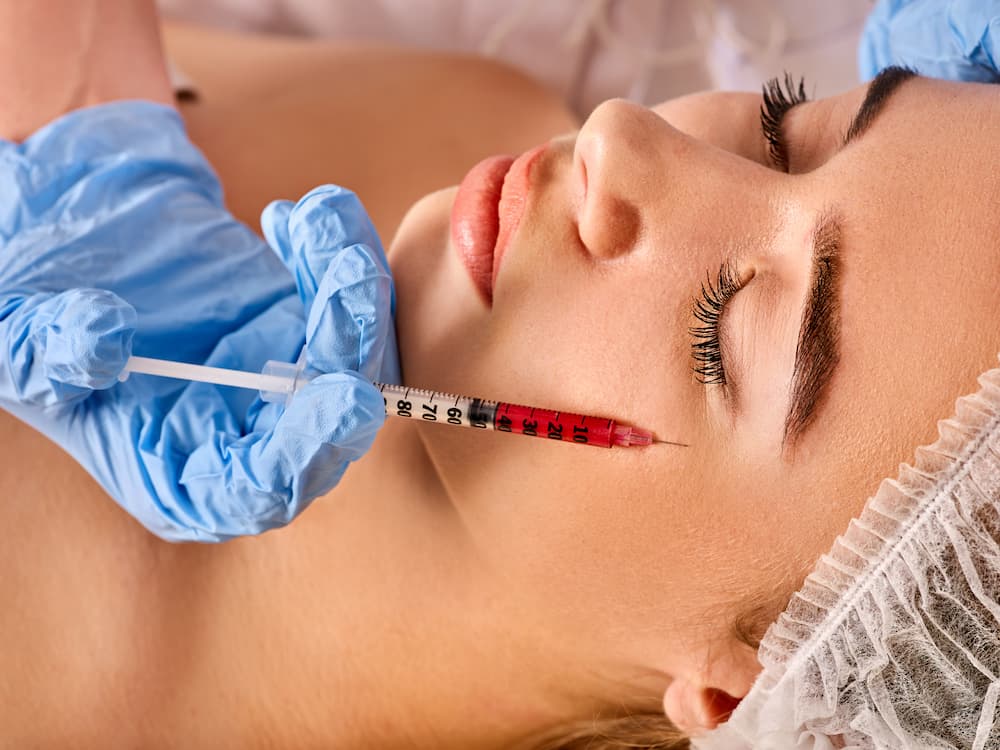
Injections are another effective method for hormone replacement therapy. This involves injecting hormones directly into the muscle, usually in the glute or thigh. Like creams and pellets, injections bypass the digestive system and the liver, offering excellent absorption.
Why Choose Injections?
Injections are a powerful option for women who want to ensure 100% absorption of their dose without the daily hassle of remembering a pill or applying a cream. They are particularly popular for testosterone replacement but can be used for other hormones as well. The main consideration with injections is timing. Because the hormone is delivered in a single dose that metabolizes over time, levels will peak shortly after the shot and then taper off before the next one. This means you must stay on a strict schedule, usually weekly or bi-weekly, to avoid the "peaks and valleys" that can bring back menopause symptoms. Some women are comfortable self-injecting at home, while others prefer to come into the clinic for their treatment.
4. Bioidentical Hormone Pellets
Bioidentical hormone pellets are in a different category regarding convenience. Think of them as the "set it and forget it" option for hormone replacement therapy. These rice-sized pellets are inserted just under the skin by healthcare professionals during a brief office procedure. Once placed, they release a steady stream of bioidentical hormones for three to four months.
How Do Pellets Maintain Steady Hormone Levels?
The major benefit of pellets is consistency. Unlike pills or injections that may have peaks and troughs, pellets release bioidentical hormones at a steady rate based on cardiac output, mimicking how the body produced hormones before menopause onset. This steady release means you feel stable. You get consistent moods, sustained energy, and round-the-clock relief from hot flashes. Vasomotor symptoms remain controlled around the clock. Sleep disturbances improve because night sweats do not break through. The treatment schedule requires only three to four visits to healthcare professionals per year. This dramatically reduces the burden of managing hormone therapy. Environmental factors do not affect bioidentical hormone therapy; heat and humidity have no impact on hormone delivery.
What Makes Bioidentical Hormones Different from Synthetic Options?
Regardless of the delivery method you choose, the type of hormone matters. Ideally, you want hormone replacement that matches what your body used to make. Synthetic hormones, like conjugated equine estrogen, have chemical structures that differ from human hormones. The body recognizes these as foreign, which can trigger uncomfortable symptoms like breast tenderness and bloating.
On the other hand, bioidentical hormones are derived from plant sources and are structured to match human estrogen and progesterone exactly. These are called bioidentical hormones because the body processes them the same way it would natural hormones. This structural identity often results in better tolerance. When healthcare professionals discuss bioidentical hormone therapy, they are referring to this molecular match.
Is Progesterone Included in Hormone Therapy?
Women who still have a uterus need progesterone along with estrogen therapy. Estrogen stimulates the uterine lining, and without progesterone, there is an increased risk of endometrial hyperplasia and uterine cancer. Whether you choose pills, creams, injections, or pellets, protocols include micronized progesterone to protect the endometrium. This also contributes benefits beyond uterine protection. It helps with sleep, regulates mood, and reduces anxiety. Estrogen-only therapy is appropriate solely for women who have had a hysterectomy. For everyone else, combination hormone replacement therapy (estrogen plus micronized progesterone) is the standard of care to prevent uterine cancer and endometrial cancer.
The FDA Drops the "Black Box" Warning
For a long time, there was a lot of fear around hormone therapy. In 2003, the FDA put a "black box" warning on HRT products following a study that caused a lot of concern. However, that study mostly looked at much older women using older, synthetic hormones, and it didn't reflect the reality for most women entering menopause today.
The FDA recently removed that restrictive black box warning, officially validating that hormone replacement therapy is a safe and effective standard of care. This confirms that when you start HRT early on, the benefits, like protecting your heart, bones, and brain, may outweigh the risks. This update marks a new era in longevity and the FDA's change in black box warning on women's hormones, giving you the green light to treat your symptoms without the weight of outdated fears.
What Makes Specialized Hormone Therapy Different?
Not all hormone therapy is created equal. At Ageless Health Institute, we go beyond the standard protocols found in general medical practices to focus specifically on hormone replacement therapy designed for your unique physiology. We offer pills, creams, injections, and pellets because we believe you should have the choice that fits your life.
Your care begins with a comprehensive assessment led by Dr. Naomi Placella, a licensed Naturopathic physician specializing in hormone optimization and aesthetics. We then conduct a deep dive into your medical history and personal medical history, carefully weighing risk factors like a family history of breast cancer or cardiovascular disease. We don't guess when it comes to your health. We use precision laboratory testing to measure your exact hormone levels. This data allows us to customize a plan that effectively treats the root cause as well as relieves your symptoms while working to minimize risks.
What Results Can You Experience with Hormone Replacement Therapy For Women?
When patients come to us for hormone replacement therapy in Phoenix, the changes they describe are often life-changing. Energy levels come back, and that heavy exhaustion, which is so common with menopause symptoms, finally lifts. The "brain fog" clears up, and you feel sharp again. Sleep disturbances fade because night sweats stop waking you up. Your mood stabilizes, replacing irritability with a sense of calm. Hot flashes usually decrease or stop altogether.
Frequently Asked Questions
How Much Does Bioidentical Hormone Therapy Cost?
Costs vary depending on the method. Pellet insertion typically costs between $350 and $600 per treatment, lasting three to four months. Injections or creams may have different monthly costs. When calculated daily, hormone therapy compares favorably to other treatment options, particularly when factoring in the reduced need for visits to healthcare professionals and prescription management.
Is Hormone Therapy Safe for Women with Breast Cancer History?
The answer depends on many factors, including the type of breast cancer, specifically invasive breast cancer, and current health status. Current research from the Menopause Society shows that bioidentical hormones have different risk profiles than older synthetic formulations. Some women with a history of breast cancer may be candidates for hormone replacement therapy, while others should avoid systemic estrogen. Low-dose treatment for vaginal symptoms (like vaginal dryness) may be an option. A thorough review of medical history with healthcare professionals helps determine the safest path.
Does Hormone Replacement Therapy Cause Weight Gain?
Weight gain is common, but hormone replacement therapy is not the cause. In fact, declining estrogen levels slow metabolism. Restoring levels with hormone therapy helps counteract this. Many women find weight management easier after starting bioidentical hormone therapy. Some women also experience decreased diabetes risk when hormone levels are optimized. Healthcare professionals note that hormone therapy can improve insulin sensitivity. The metabolic benefits of replacement therapy extend to overall cardiovascular health and help prevent heart disease.
How Should Women Begin Hormone Replacement Therapy?
Women often resign themselves to menopausal symptoms like hot flashes and exhaustion, assuming early menopause or aging makes brain fog inevitable. But these are simply signs of a treatable hormone deficiency. While oral estrogen and transdermal estrogen are options, bioidentical hormone pellets and injections provide consistent hormone replacement for those seeking alternatives.
At Ageless Health Institute, we specialize in bioidentical menopausal hormone therapy tailored to your specific health history rather than a one-size-fits-all protocol. It starts with a consultation with healthcare professionals to see if you are a candidate and which method (pills, creams, injections, or pellets) is right for you. Since most women on pellets only need three to four visits a year to maintain optimal hormone levels, effective treatment is practical for even the busiest schedules. Real relief from menopause symptoms is achievable and much simpler than you think. Ready to balance your hormones? Call (602) 680-7703 or book a consultation today.