
Laser PhotoFacial (IPL)
If sun damage, redness, or uneven skin tone have left your complexion looking less vibrant than you’d like, Laser PhotoFacial, also known as Intense Pulsed Light (IPL) therapy, offers a non-invasive way to restore a clearer, more even-toned appearance. At Ageless Health Institute, our IPL treatments are tailored to your specific skin concerns, helping you achieve smoother, more radiant skin with minimal downtime.
What Is IPL PhotoFacial?
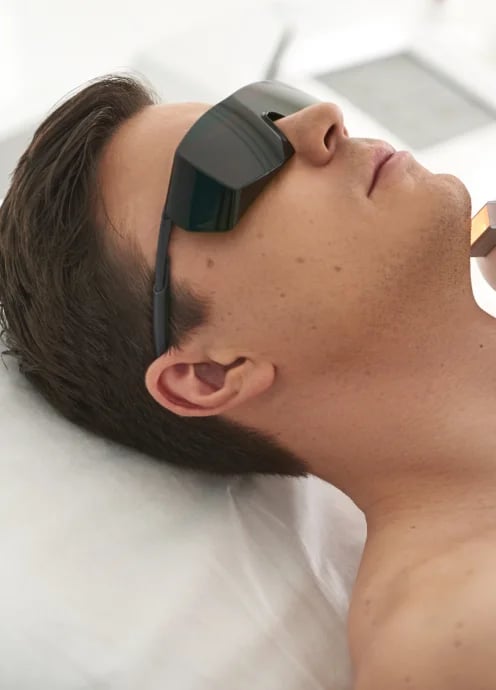
IPL PhotoFacial uses broad-spectrum light to target pigment and vascular concerns at the surface and just beneath the skin. Unlike a single-wavelength laser, IPL delivers multiple wavelengths of light in a single pulse, allowing it to address a wider range of concerns, including sun spots, redness, broken capillaries, and uneven skin tone, in one treatment session.
How Does IPL Work?
IPL technology works through a process called selective photothermolysis, where light energy is absorbed by specific targets in the skin, such as melanin in pigmented spots or hemoglobin in blood vessels, and converted into heat. That heat breaks down the targeted pigment or damages the walls of small blood vessels, prompting the body’s natural healing process to gradually clear the treated area over the following days and weeks.
During treatment, a cooling gel is applied to the skin to protect the surface and improve comfort, and the technician uses a handpiece to deliver pulses of light across the treatment area. Most patients describe the sensation as a warm snapping feeling, similar to a rubber band against the skin, and sessions typically take 20 to 30 minutes depending on the size of the area being treated.
Light emission
Targeted absorption
Heat generation
Cellular breakdown
Natural healing
What Can IPL Treat?
IPL PhotoFacial is a versatile treatment that addresses a wide range of skin concerns:
Sun damage and age spots
IPL breaks down excess pigment caused by years of UV exposure, helping to even out skin tone.
Redness and rosacea
The targeted light can reduce the visible redness and flushing associated with rosacea and general skin sensitivity.
Broken capillaries
Small, visible blood vessels on the face are a common concern that responds well to IPL’s vascular targeting.
Uneven skin tone
By addressing both pigment and redness, IPL can create a more uniform, balanced complexion overall.
Enlarged pores
Many patients notice a refined pore appearance as skin texture improves following treatment.
Fine lines
While not a primary target, the collagen stimulation triggered by IPL can contribute to a subtle softening of fine lines over a treatment series.
What Areas Can Be Treated?
IPL is a flexible treatment suitable for multiple areas of the body. At Ageless Health Institute, we commonly treat the following areas:

Face

Neck

Chest

hands

arms

back

Legs
IPL is particularly effective for treating areas that have experienced sun damage or show signs of aging. While IPL can be used on many body parts, the face, neck, and chest are the most popular treatment areas due to their frequent sun exposure and visibility.
IPL vs. Other Skin Resurfacing Options
Patients often ask how IPL compares to other treatments in our med spa menu. IPL uses broad-spectrum light to primarily target pigment and redness at the skin’s surface, making it especially effective for sun damage and vascular concerns. Our Radiofrequency Skin Resurfacing treatment, by contrast, uses RF energy paired with microneedling to address deeper concerns like texture, scarring, and skin laxity. Microneedling on its own focuses on stimulating collagen production to improve texture and fine lines without targeting pigment specifically. Many patients find that combining IPL with one of these deeper-acting treatments addresses both surface tone and underlying texture more comprehensively than any single treatment alone.
What to Expect After Treatment
Post-treatment, you may experience mild redness and a sensation similar to a sunburn for a few hours. Pigmented spots may darken temporarily before flaking off over the next 7 to 14 days as the skin naturally exfoliates the treated pigment. It’s essential to wear a broad-spectrum SPF to protect your skin from sun exposure during this healing window and to follow our post-treatment care instructions closely, since freshly treated skin is more vulnerable to pigmentation changes if exposed to UV light too soon.
How Many Sessions Will I Need?
Treatment frequency varies based on your skin concerns and goals. Typically, 3 to 6 treatments spaced 3 to 4 weeks apart are suggested for optimal results addressing pigment and redness, while more extensive concerns may benefit from a longer series. Most patients also schedule periodic maintenance treatments every 6 to 12 months to preserve their results, particularly if ongoing sun exposure is a factor.
Preparing for Your IPL Treatment
To prepare for IPL, avoid sun exposure, tanning beds, and self-tanning products for at least 2 to 4 weeks before treatment, since tanned or sunburned skin cannot be safely treated. Discontinue retinoids and other photosensitizing medications as advised by your provider in the days leading up to your session. On the day of treatment, arrive with clean, makeup-free skin so the technician has a clear view of the treatment area.
Is IPL Right for Your Skin Tone?
IPL is most effective and safest for patients with lighter skin tones and well-defined pigment or vascular concerns, since the treatment relies on contrast between the targeted pigment and the surrounding skin to work effectively. Patients with deeper skin tones may be better suited to alternative treatments, such as our Radiofrequency Skin Resurfacing program, which doesn’t rely on targeting pigment in the same way. A consultation with our team is the best way to determine which treatment, or combination of treatments, is right for your specific skin tone and concerns.
Complementary Treatments
Many patients build a broader skincare routine around IPL to address multiple concerns at once. Pairing IPL with Chemical Peels can further improve texture and tone by combining light-based and chemical exfoliation approaches. For patients also managing unwanted facial or body hair, our Laser Hair Removal treatment addresses an entirely separate concern using similar light-based technology, and many patients schedule both during the same visit for efficiency. If you’re planning a series of IPL sessions or combining it with other treatments regularly, our Aesthetic Membership can help make an ongoing skincare routine more affordable.
The Role of Melanin and Hemoglobin in IPL Results
Understanding what IPL actually targets helps explain why results vary from patient to patient. Brown pigment concerns, like sun spots and age spots, are driven by melanin, the same pigment that determines skin and hair color. Red or vascular concerns, like rosacea and broken capillaries, are driven by hemoglobin in blood vessels close to the skin’s surface. Because IPL delivers a broad spectrum of light wavelengths in each pulse, it can target both melanin and hemoglobin in the same session, which is part of why it’s such a versatile option for patients dealing with a mix of pigment and redness rather than a single isolated concern.
Building an IPL Treatment Plan Around Your Skin
No two patients start with identical skin, so an effective IPL plan is built around your specific combination of concerns rather than a one-size-fits-all protocol. During your consultation, we’ll assess the depth and type of pigment or vascular concerns present, discuss your sun exposure history and skincare routine, and identify whether IPL alone will meet your goals or whether pairing it with another treatment would produce a more complete result. This assessment also helps set realistic expectations for how many sessions you’ll likely need and how soon you can expect to see visible improvement.
Maintaining Results Between Sessions
The results of IPL treatment can be extended significantly with the right daily habits. Consistent use of broad-spectrum SPF is the single most important factor, since new sun exposure can reintroduce the same pigment and redness concerns IPL was used to treat. A gentle, non-irritating skincare routine that avoids harsh exfoliants in the days immediately following treatment also supports proper healing. Many patients find that pairing periodic IPL maintenance sessions with a consistent at-home routine keeps their results looking fresh well beyond the initial treatment series.
Frequently Asked Questions
The cost of IPL treatment at Ageless Health Institute can vary based on the treatment area, the number of sessions, and the specific skin issues being addressed. A single treatment starts at $300 or more, depending on the size of the treatment area. We offer package deals to help make your treatment more cost-effective, and during your consultation, we’ll provide a personalized quote based on your concerns and recommended treatment plan.
Treatment frequency varies based on your skin concerns and goals. Typically, 3-6 treatments spaced 3-4 weeks apart are suggested for optimal results, while conditions like hair removal may require 6-12 sessions.
Most patients describe IPL as mildly uncomfortable rather than painful, often comparing the feeling to a rubber band snapping against the skin. We can provide cooling gels or numbing creams to enhance your comfort during the procedure.
Post-treatment, you may experience mild redness and a sensation similar to a sunburn for a few hours. Pigmented spots may darken temporarily before flaking off over the next 7-14 days. It’s essential to wear a broad-spectrum SPF and follow our post-treatment care instructions.
The results of IPL treatments can last months to a year, influenced by your skin condition and sun protection. To prolong the outcome, we recommend maintenance treatments every 6-12 months.
While IPL is generally safe, potential side effects may include temporary redness, swelling, and changes in skin pigmentation. Rare complications such as blistering or scarring can occur. Carefully following pre- and post-treatment instructions can minimize these risks.
IPL can be effectively combined with other treatments like microdermabrasion or chemical peels for enhanced results. Our specialists can create a treatment plan combining complementary procedures to address your skin concerns.
To prepare for IPL, avoid sun exposure, tanning beds, and self-tanning products for at least 2-4 weeks before treatment. Discontinue retinoids and other photosensitizing medications as advised by your provider, and arrive with clean, makeup-free skin on the day of treatment.
IPL is commonly used to reduce the visible redness and broken capillaries associated with rosacea. Results vary by individual, and we’ll assess your skin during a consultation to confirm you’re a good candidate.
Most patients return to normal activities the same day. You may notice treated pigment darkening temporarily before it flakes off over 7-10 days, and mild redness typically resolves within a few hours.
They’re related but not identical. IPL delivers a broad spectrum of light wavelengths in each pulse, letting it target multiple concerns like pigment and redness in one session, while a traditional laser uses a single focused wavelength tuned to one specific target, such as hair follicles or a particular pigment depth.
No. We see patients from across the greater Phoenix area for IPL PhotoFacial treatment, not just those living directly in Phoenix. Reach out to our team to confirm scheduling and find the appointment time that works for you.
Reveal Brighter, More Even Skin
Sun damage, redness, and uneven tone don’t have to be permanent parts of your complexion. IPL PhotoFacial offers a proven, non-invasive way to restore a clearer, more radiant appearance with minimal downtime. Ready to see what a personalized IPL treatment plan can do for your skin? Reach out to Ageless Health Institute today.