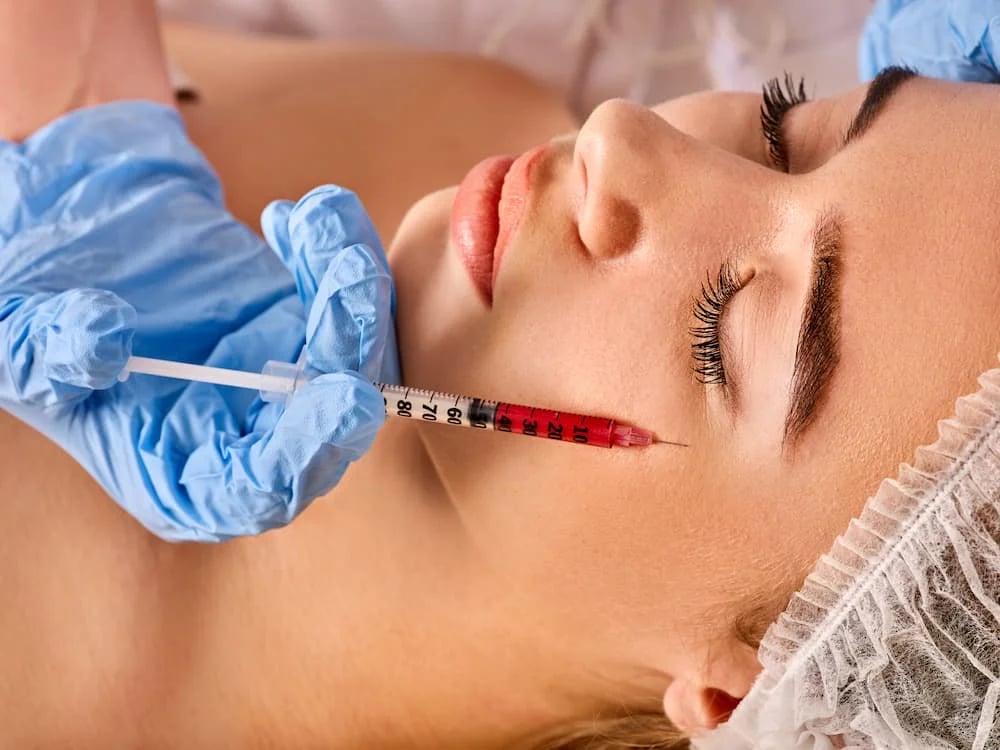
Botox remains one of the most widely used and best-studied cosmetic treatments available, and for good reason: it’s fast, minimally invasive, and produces results that most patients find genuinely satisfying without the downtime associated with surgical options. Whether you’re new to Botox or a longtime patient, understanding how it actually works, what to expect, and how to get the most out of your treatment can help you make the most of your treatment.
How Botox Actually Works
Botox is a purified form of botulinum toxin that works by temporarily blocking nerve signals to the specific muscles it’s injected into. Facial expressions like frowning, squinting, and raising the eyebrows repeatedly contract these underlying muscles over years, gradually etching the resulting lines into the skin. By relaxing the targeted muscles, Botox prevents the repetitive movement that causes these lines to deepen, allowing the skin to smooth out and, with consistent treatment, preventing new lines from forming as quickly.
What Botox Treats
Botox is most commonly used to address dynamic wrinkles, the lines that form from repeated facial movement, in several key areas:
- Forehead lines, the horizontal creases that form from raising the eyebrows
- Frown lines (glabellar lines), the vertical lines between the eyebrows
- Crow’s feet, the fine lines that radiate from the outer corners of the eyes
- Bunny lines, the smaller creases that form across the nose when scrunching the face
Beyond these classic cosmetic uses, Botox is also used therapeutically for conditions like chronic migraines, excessive sweating, and certain muscle spasm disorders, reflecting just how versatile this treatment has become since its initial approval.
A Brief History of a Trusted Treatment
Botulinum toxin’s cosmetic use dates back to the early 2000s, when it received approval specifically for glabellar lines, though its medical use for muscle spasm disorders predates that by roughly two decades. In the years since, Botox has become one of the most extensively studied cosmetic treatments available, with an established safety profile built on millions of treatments performed worldwide. This long track record is part of why so many patients feel comfortable choosing Botox over newer, less-studied alternatives, there’s simply more data behind its safety and effectiveness than almost any comparable treatment on the market.
What to Expect During Treatment
Botox appointments are quick, typically taking 10 to 15 minutes, and require no downtime, making it an easy addition to an otherwise busy day. A fine needle is used to inject small amounts of the product into the targeted muscles, and most patients describe the sensation as a brief pinch rather than significant pain. Results aren’t immediate, it typically takes three to seven days to see the full effect as the product gradually relaxes the treated muscles, with results generally lasting three to four months before another treatment is needed to maintain the effect.
Setting Realistic Expectations
One of the most common sources of disappointment with Botox isn’t the treatment itself, it’s mismatched expectations. Botox addresses dynamic wrinkles caused by muscle movement, but it doesn’t address static wrinkles (lines visible even at rest) or volume loss, which are better addressed with dermal fillers or other complementary treatments. A thorough consultation before treatment helps set accurate expectations for what Botox can and can’t achieve for your specific concerns, and where a combination approach might serve you better.
Botox and Broader Skin Health
For patients interested in a more comprehensive approach to facial aging, Botox pairs well with treatments that address different mechanisms of aging, including the collagen-stimulating benefits of micro-needling. Our functional medicine and regenerative medicine philosophy considers skin health as part of overall hormonal and metabolic wellbeing, since declining hormones affect collagen production and skin elasticity in ways that Botox alone doesn’t address. For volume loss specifically, our guide on dermal fillers for under-eye rejuvenation covers a complementary option many patients pair with their Botox treatments.
The Hormonal Connection to Skin Aging
It’s worth understanding that visible skin aging isn’t purely a matter of sun exposure and time, hormonal decline plays a direct role as well. Estrogen supports collagen production and skin hydration, and its decline during perimenopause and menopause accelerates the appearance of fine lines and reduced skin elasticity. For patients whose skin concerns are compounded by hormonal changes, addressing the underlying hormonal picture through our hormone therapy programs can complement the results of cosmetic treatments like Botox, supporting skin quality from the inside as well as the outside.
Getting the Most From Your Treatment
To make the most of your Botox appointment, a few practical tips help, many of which apply equally to the Juvederm, Vollure, Vobella, and Voluma filler treatments many patients pair with their Botox:
Avoid blood thinners and alcohol for about a week before treatment when possible, since these can increase the likelihood of bruising at injection sites.
Come with clean skin, free of makeup, to reduce the risk of irritation and allow for a clean injection site.
Discuss your goals clearly during your consultation, since the specific pattern of injection can be tailored to your individual facial anatomy and expression patterns.
Avoid rubbing the treated area for the first 24 hours, since this can cause the product to migrate to unintended areas.
Why Regular Maintenance Matters
Because Botox results are temporary, typically lasting three to four months, patients who maintain a consistent treatment schedule often find that their muscles gradually “relearn” a less pronounced pattern of movement over time, sometimes allowing for slightly longer intervals between treatments or reduced product needs as the underlying muscle activity softens. This is part of why many long-term Botox patients describe increasingly subtle, natural-looking maintenance over the years, rather than needing more dramatic intervention each time.
Ready to Get Started?
Whether you’re treating your first set of fine lines or maintaining results you’ve built over years, our team is ready to help you achieve natural-looking, confidence-boosting results.
Frequently Asked Questions
How does Botox work?
Botox temporarily blocks nerve signals to targeted facial muscles, preventing the repetitive movement that causes dynamic wrinkles like forehead lines and crow’s feet to form and deepen.
How long does Botox last?
Results typically last three to four months before the effect gradually wears off and another treatment is needed to maintain results.
Is Botox treatment painful?
Most patients describe the sensation as a brief pinch rather than significant pain, and the procedure itself typically takes only 10 to 15 minutes with no downtime required.
What areas can Botox treat?
Botox commonly treats forehead lines, frown lines between the eyebrows, crow’s feet around the eyes, and bunny lines across the nose, all caused by repetitive muscle movement.
Does Botox address all types of wrinkles?
No. Botox addresses dynamic wrinkles caused by muscle movement, but static wrinkles and volume loss are better addressed with complementary treatments like dermal fillers.