If you’ve ever noticed lines around your eyes when you smile or squint, you’re not alone. These tiny wrinkles, often called crow’s feet, are one of the first signs of aging to appear. While natural and common, many people find that crow’s feet make them look more tired or older than they feel. Fortunately, there’s an effective solution: BOTOX®. At Ageless Health Institute in Phoenix, AZ, our clients come to us wanting to smooth crow’s feet. BOTOX® is often recommended to restore a refreshed appearance.
Keep reading to learn how this simple treatment can help you look younger without surgery or downtime.
Introduction to Crow’s Feet and BOTOX®
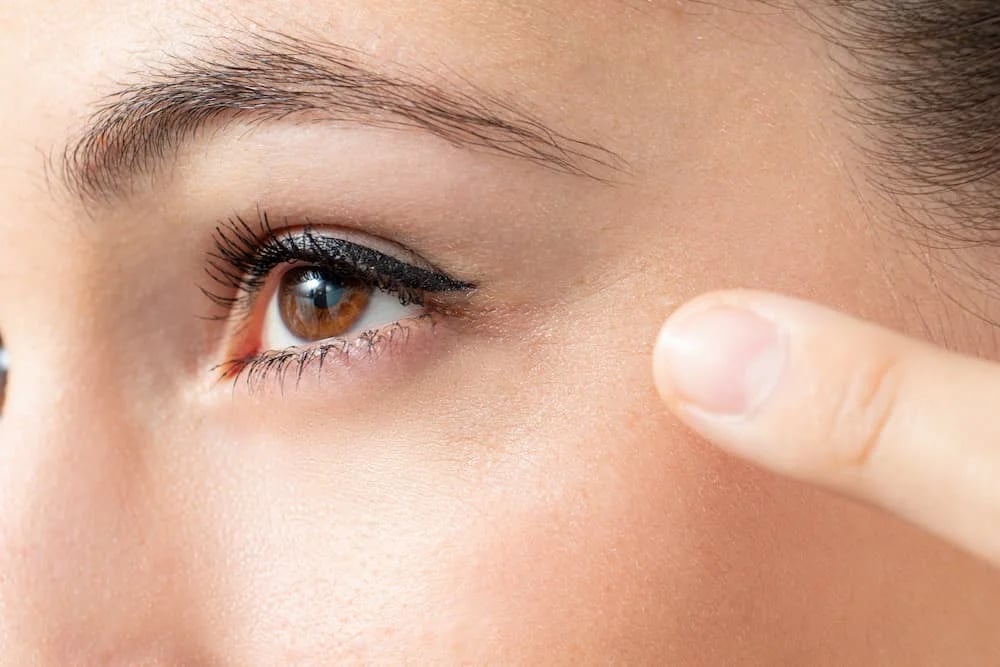
Crow’s feet develop as a result of repeated facial expressions like smiling, laughing, or squinting. Over time, these dynamic wrinkles deepen as the skin loses collagen and elasticity. While creams and serums can help maintain healthy skin, they can’t fully stop or erase these expression lines.
How BOTOX® Works To Reduce Crow’s Feet
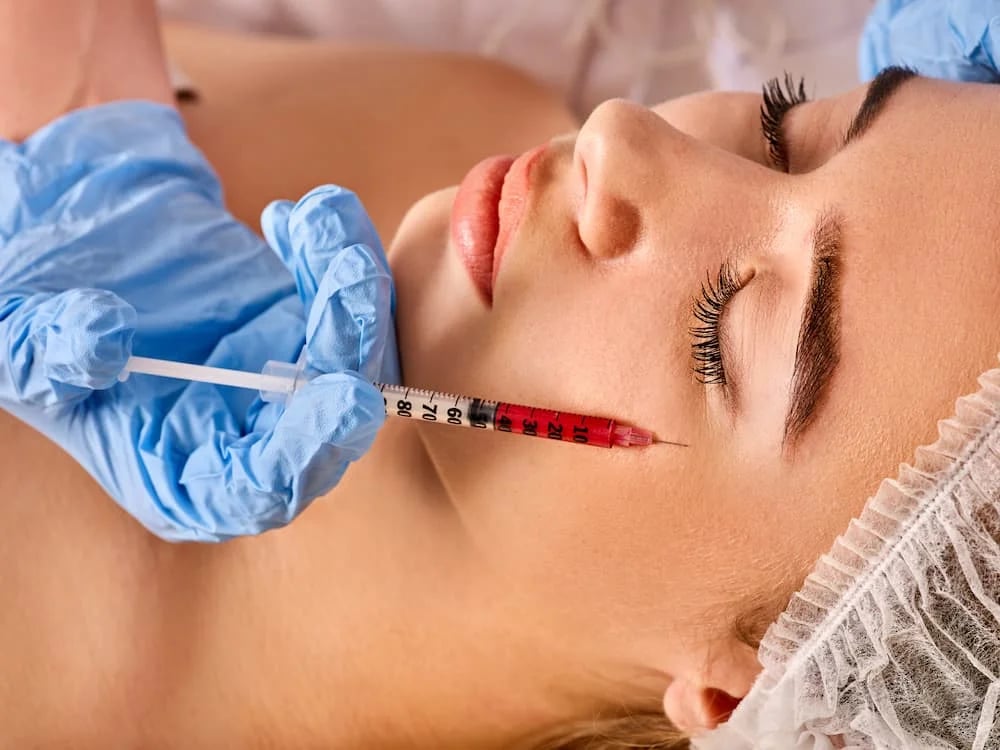
BOTOX® is an injectable treatment made from a purified protein that temporarily relaxes specific facial muscles. When carefully administered near the outer corners of the eyes, it reduces the repetitive muscle contractions that create crow’s feet.
This relaxation effect allows the skin to smooth out, softening fine lines and wrinkles while preventing them from deepening further. At Ageless Health Institute, our experienced team uses precise techniques to ensure crow’s feet are softened without affecting your natural expressions. As a result, you will still look like yourself, and you won’t appear frozen as you smile and laugh.
Benefits of BOTOX® for Treating Crow’s Feet
If you want to smooth away crow’s feet, BOTOX® offers several advantages. Quick results mean many clients notice smoother skin within 3-5 days, with full results in about 2 weeks. The natural look comes from expert injections that soften wrinkles without a “frozen” or overdone appearance. There’s no downtime, so you can return to work, social activities, or errands immediately after treatment. It’s a non-surgical procedure, minimally invasive and requiring only a few quick injections. And there are preventative benefits, since consistent treatments can slow the progression of wrinkles, keeping skin looking smoother for longer.
BOTOX® not only refreshes the eye area but also helps you maintain a youthful, confident look without interrupting your daily routine. With its combination of quick results, natural-looking enhancements, and preventative benefits, it’s a trusted solution for anyone looking to soften crow’s feet with ease.
What To Expect During a BOTOX® Treatment for Crow’s Feet
Your visit to Ageless Health Institute in Phoenix will begin with a personalized consultation. We’ll review your goals, evaluate your skin, and create a customized plan for treating your crow’s feet.
On treatment day, the process is simple. First, preparation: the skin around your eyes is gently cleansed. Second, injection: a small amount of BOTOX® is carefully injected into the muscles at the corners of your eyes. Third, aftercare: you can resume normal activities right away, though it’s best to avoid strenuous exercise and lying down for the first few hours.
The entire procedure typically takes less than 30 minutes, making it easy to schedule during a lunch break or a busy day.
How Long BOTOX® Results Last for Crow’s Feet
The effects of BOTOX® usually last 3-4 months, depending on factors such as your metabolism, muscle activity, and whether you’ve had previous treatments. Many clients choose to schedule regular maintenance appointments to keep consistent results year-round. Over time, you may also notice that your lines return softer, as the muscles gradually adapt to less frequent contractions.
What Causes Crow’s Feet in the First Place
Understanding why crow’s feet form helps explain why BOTOX® is such an effective, targeted solution. The muscle responsible, the orbicularis oculi, encircles the eye and contracts every time you smile, squint, or laugh, thousands of times a day over a lifetime. Add in thinner skin around the eyes, declining collagen production with age, and cumulative sun exposure, and those repeated contractions eventually etch themselves into the skin as permanent lines, even at rest. This is why moisturizers and topical treatments, while helpful for overall skin health, can’t meaningfully soften crow’s feet on their own: they don’t address the underlying muscle movement that’s actually causing the lines. BOTOX® works at the source of the problem rather than the surface.
Who Tends to Be a Good Candidate
Most adults noticing early crow’s feet, whether they’re barely visible only when smiling or more pronounced at rest, are reasonable candidates for treatment. Patients in their late 20s and 30s often start with BOTOX® as a preventative measure, aiming to slow the muscle activity before lines fully set in, while patients with more established lines use it correctively to soften what’s already there. As with any BOTOX® treatment, candidacy depends on overall health and realistic expectations; patients who are pregnant or breastfeeding are generally advised to wait, and your provider will review your medical history during your consultation to confirm the treatment is a good fit.
Crow’s feet rarely show up in isolation. Because the skin around the eyes is thinner and more delicate than the rest of the face, it’s often one of the first areas to show multiple signs of aging at once, fine lines from muscle movement alongside volume loss and hollowing. While BOTOX® addresses the muscle-driven wrinkles specifically, patients dealing with hollow under-eyes or tear troughs alongside their crow’s feet often ask about Dermal Fillers as a complementary treatment, since fillers restore lost volume through an entirely different mechanism than BOTOX® relaxes muscle activity. Addressing both concerns together tends to produce a more complete, rested look around the eyes than treating either alone.
BOTOX® vs. a Forehead or Brow Lift for the Upper Face
Crow’s feet are often treated as part of a broader upper-face plan rather than in isolation. Patients who are also noticing forehead lines or brow drooping alongside their crow’s feet frequently combine this treatment with a BOTOX® forehead lift or a BOTOX® brow lift, since all three treatments use the same product but target different muscle groups. Discussing your full set of concerns during a single consultation allows your provider to map out an injection pattern that addresses the upper face cohesively, rather than treating each area as a separate, disconnected appointment.
Aftercare Tips to Protect Your Results
Following a few simple guidelines after your appointment helps ensure your BOTOX® settles properly and delivers the best possible result. Avoid rubbing or massaging the treated area for at least 24 hours, since this can cause the product to migrate to unintended muscles. Staying upright and avoiding strenuous exercise for the first few hours after treatment is also recommended. Most patients find these restrictions minimal, since the treatment itself requires no real downtime, just a few sensible precautions in the hours immediately following your appointment. Combining crow’s feet treatment with skincare that supports collagen, such as a regular Microneedling routine, can further support skin quality in the eye area between BOTOX® appointments.
Setting Realistic Expectations
Because crow’s feet come from years of repeated muscle movement, it’s worth setting realistic expectations before your first treatment. A single BOTOX® session softens the visible lines and slows further creasing, but it doesn’t erase decades of sun damage or skin laxity instantly. Most patients see their best, most refined results after two to three treatment cycles, as your provider fine-tunes dosage and placement based on how your muscles respond. Because everyone’s facial anatomy and muscle strength differ, the exact unit count and injection pattern that worked well for a friend or family member may not translate directly to your own treatment, which is why an in-person consultation matters more than a general rule of thumb. Photos taken before treatment and at each follow-up can be a helpful way to track subtle progress that’s easy to miss day to day in the mirror.
Frequently Asked Questions
How does BOTOX® reduce the appearance of crow’s feet?
BOTOX® works by temporarily relaxing the small muscles around the corners of the eyes that cause crow’s feet. When these muscles are relaxed, the skin around them smooths out, reducing the appearance of fine lines and wrinkles. This process allows your eyes to look refreshed while maintaining natural facial expressions. Over time, repeated treatments can also help prevent these lines from becoming deeper.
Is BOTOX® safe for treating crow’s feet?
Yes, BOTOX® is FDA-approved for cosmetic use and is widely recognized as a safe treatment when performed by trained professionals. At Ageless Health Institute, we ensure precise injections to minimize risks and deliver natural-looking results. Side effects are generally mild and temporary, such as slight redness or swelling at the injection sites. Most clients resume normal activities immediately after treatment.
How long do BOTOX® results last for crow’s feet?
Results typically last about 3-4 months. The duration can vary depending on factors such as muscle activity, metabolism, and previous treatments. Many clients find that scheduling regular sessions every 3-4 months helps maintain smoother, younger-looking eyes over time. With consistent use, lines may return softer than before.
How many BOTOX® units are typically needed for crow’s feet?
It may take anywhere from 8-20 units per side to effectively treat crow’s feet, depending on your muscle strength and the depth of your lines. Some people need fewer units for subtle softening, while others benefit from more to achieve a smoother result. During your consultation, your provider will assess your needs and customize the dosage to ensure natural-looking results that still allow you to laugh and smile with ease.
Can BOTOX® prevent crow’s feet from getting worse?
Yes, BOTOX® can slow the progression of crow’s feet by reducing the repetitive muscle movements that cause wrinkles. Regular treatments help maintain smoother skin and may prevent deeper lines from forming over time. While it doesn’t stop aging entirely, BOTOX® is an effective preventative measure to keep the eye area looking youthful.
Can BOTOX® for crow’s feet be combined with other treatments in the same visit?
Yes. It’s common for patients to treat crow’s feet alongside forehead lines, glabellar lines (the “11s” between the brows), or a brow lift in the same appointment, since these all use the same product across different muscle groups. If volume loss under the eyes is also a concern, your provider may discuss adding Dermal Fillers to the plan as well.
Does BOTOX® for crow’s feet hurt more than other areas?
Most patients rate the discomfort as comparable to other facial areas, a brief pinch per injection. The skin around the eyes is thinner and more sensitive than areas like the forehead, so some patients notice it slightly more, but it’s still generally well tolerated without numbing cream. Ice can be applied beforehand if you’re especially sensitive to the sensation.
Diminish Crow’s Feet With BOTOX® at Ageless Health Institute
If you want to soften and fade your crow’s feet, BOTOX® may be the solution you’re looking for. At Ageless Health Institute in Phoenix, our experienced team personalizes every treatment to smooth fine lines, restore a youthful appearance, and maintain your natural facial expressions. With quick, minimally invasive sessions and no downtime required, BOTOX® allows you to refresh your look with subtle, long-lasting results.
Take the next step toward rejuvenated skin, schedule a consultation today and discover how BOTOX® can help you feel confident and refreshed. If you’re planning to make BOTOX® a regular part of your routine, ask about our Aesthetic Membership for ongoing per-unit savings.