
If you’re living in Phoenix and dealing with stubborn acne scars, you’re probably wondering whether a chemical peel could finally give your skin the fresh start it deserves. The short answer? Yes, chemical peels for acne scars are one of the most effective and accessible treatments available, and they’re especially popular here in the Valley of the Sun. But before you book a session or grab an at-home peel off the shelf, it helps to understand how these treatments actually work, which acids do what, and what kind of results you can realistically expect.
This guide breaks down everything from peel types and acid options to VI peel aftercare strategies built for Phoenix’s intense sun. Whether you’re considering an in-office treatment or testing the waters with a gentle at-home peel, here’s what you need to know.
What Exactly Is a Chemical Peel?
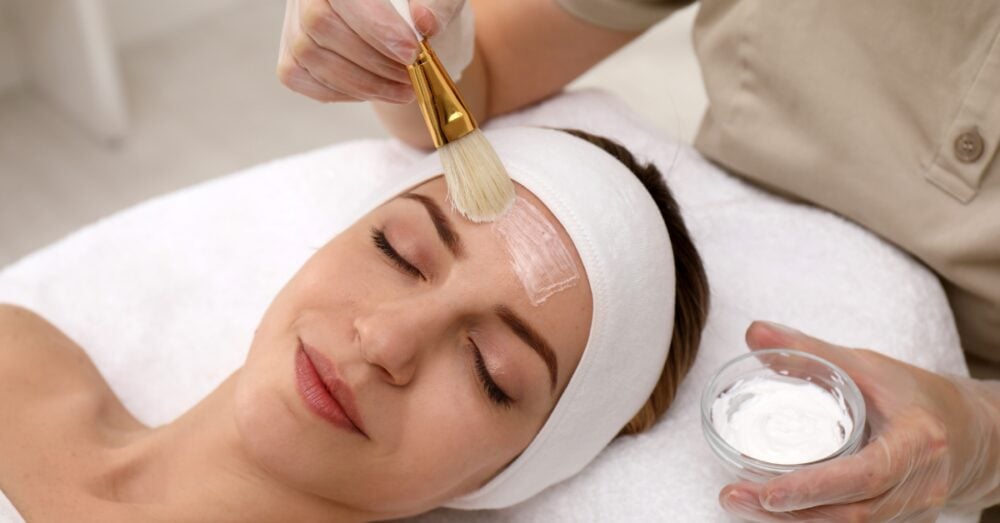
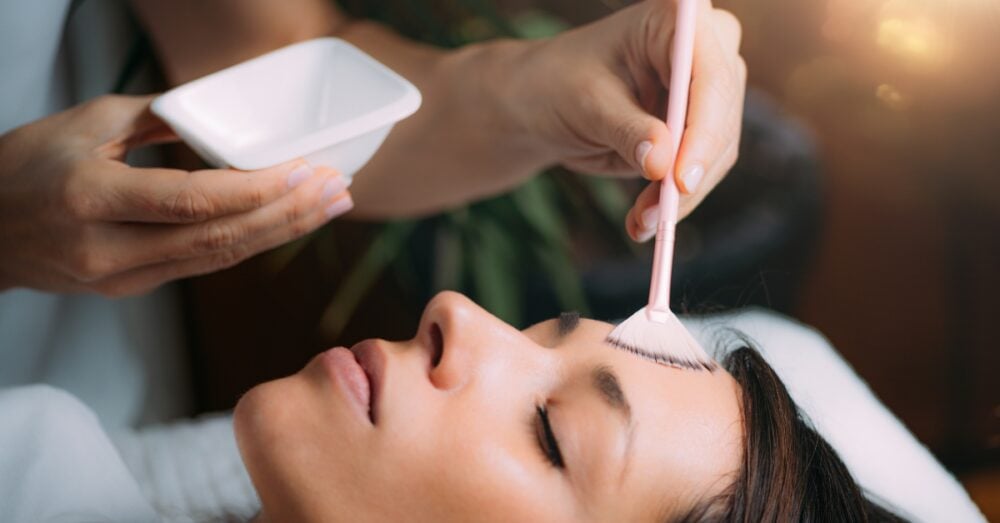
A chemical peel is a skin resurfacing treatment where a chemical solution is applied to the face to remove damaged outer layers of skin. As that old skin sheds, new skin grows in to replace it, and it is often smoother, more even, and clearer than what was there before. Peels range from mild formulas you can use at home to stronger professional-grade options that penetrate deeper into the skin.
For acne scars specifically, chemical peels work by exfoliating built-up dead skin cells, fading dark spots, evening out skin tone, and promoting the kind of cell turnover that gradually softens scar tissue.
How Do Chemical Peels Work on Acne Scars?
When a chemical solution is applied to the skin, it creates a controlled injury to the outer layer. This triggers your body’s natural healing response. As the skin heals, it pushes fresh, healthy skin to the surface while stimulating collagen production underneath.
That boost in collagen is key. It’s what helps fill in shallow scars, smooth out texture irregularities, and reduce the shadows that make acne marks so visible. Over multiple sessions, chemical peels work to reshape the skin’s texture from the inside out.
For pigmented acne scars, which are those dark or reddish spots left behind after a breakout, peels are particularly effective. The exfoliation process breaks up concentrated melanin deposits, which is how fading dark spots becomes possible over time.
What Types of Chemical Peels Are Available?
Chemical peels are classified by how deeply the chemical solution penetrates the skin. Each depth serves a different purpose and comes with its own recovery timeline.
- Superficial Peels
Superficial peels, sometimes called light chemical peels, target the outermost layer of skin. They use gentler acids at lower concentrations and typically involve minimal downtime. A light peel is a solid starting point for mild discoloration, a dull complexion, or superficial acne scars. Most people can return to their normal routine the same day.
- Medium Chemical Peel
Medium peels reach the middle layer of skin and are better suited for moderate scarring, sun damage, and deeper pigmentation. Recovery usually takes five to seven days, and you may notice peeling and redness during that window. Medium peels are often the sweet spot for people looking for noticeable improvement without the intensity of a deep treatment.
- Deep Peels
Deep peels penetrate significantly further and are reserved for more serious skin conditions, including pronounced scarring and deep wrinkles. These require longer healing time of sometimes up to 14 days or more, and should only be performed by an experienced provider. Deep chemical peel treatments may also require antiviral medication beforehand to prevent complications like cold sores.
Which Acids Are Used in Chemical Peels?
Not all acids are created equal. The type of acid in your peel determines what it targets, how deep it goes, and who it works best for. Here’s a quick breakdown of the most common ones:
- Glycolic acid: An alpha hydroxy acid used in superficial and medium-depth peels. It breaks up melanin clusters beneath the surface, making it especially effective for acne hyperpigmentation and brightening skin tone. Glycolic acid peels may cause crusting or temporary hyperpigmentation that usually resolves within a few months.
- Lactic acid: A gentler alpha hydroxy acid naturally found in bilberries and sour milk. It reduces the thickness of the outermost layer of skin and encourages new skin growth, making it a great starting point for sensitive skin or anyone newer to chemical peels. It’s also effective for fading acne-related hyperpigmentation.
- Salicylic acid: A beta hydroxy acid that cuts through oil and clears clogged pores, making it ideal for oily skin, active breakouts, and acne prone skin. Beyond treating current acne, it also helps improve superficial scarring and reduce hyperpigmentation.
- TCA (Trichloroacetic acid): A versatile professional-grade acid used for superficial, medium, or deep peels depending on the concentration. It penetrates deeper than most other acids and is effective for decreasing the depth of pitted scars like ice pick or boxcar scars. Improper use of TCA can be dangerous, so it should never be attempted without expert supervision.
- Mandelic acid: An alpha hydroxy acid that exfoliates more gently than glycolic acid, making it better tolerated by people with reactive or sensitive skin. It’s often combined with salicylic acid in professional peel formulations to address both texture and congestion.
Which Acne Scars Respond Best to Chemical Peels?
Not every scar will respond the same way. Acne scars generally fall into two categories: atrophic (depressed scars like rolling, boxcar, or ice pick types) and hypertrophic (raised scars from excess tissue). Chemical peels tend to be most effective for superficial atrophic scars and post-inflammatory hyperpigmentation which are the flat, dark marks left after a breakout clears.
For deep scars, peels alone may not be enough. In those cases, combining chemical peels with other resurfacing treatments often produces better outcomes. A provider can help determine the right mix based on your specific scarring pattern and skin type.
Can I Use an At-Home Peel Safely?
At-home peels have become more accessible, and for mild concerns, they can be a reasonable starting point. Safe at-home acids include low-concentration glycolic acid, lactic acid, and mandelic acid. These gentle formulas can help maintain results between professional treatments or introduce your skin to chemical exfoliation gradually.
However, there are a few ground rules:
- Always perform a patch test on a small area before applying a peel to your full face
- Never attempt an at-home peel with TCA or phenol. These require professional application
- Purchase products from reputable sellers to ensure accurate acid concentrations
- Start with the lowest concentration available and increase slowly over time
- Avoid using an at-home peel if you have active irritation, sunburn, or broken skin
If your scarring is moderate to severe, skip the DIY approach and go straight to a professional.
How Many Sessions of VI Peel Will I Need to See Results?
Most people require three to six sessions of chemical peels, spaced every four to six weeks, to see significant improvement in acne scars and hyperpigmentation. You’ll likely start noticing changes after just one or two sessions, but meaningful, lasting results take consistency.
For lighter peels, it may take several rounds to achieve the kind of transformation you’re looking for. Deeper peels produce more dramatic results per session but come with longer recovery. A personalized treatment plan from your provider will help you set realistic expectations and a timeline that works for your goals.
What Aftercare Should I Follow After a Chemical Peel in Phoenix?
Aftercare can make or break your results, especially here in Arizona, where sun exposure is nearly unavoidable. After any peel, commit to the following: apply sunscreen daily (SPF 30 or higher, reapplied every two hours outdoors), use the recommended medicines and moisturizers as often as prescribed to prevent drying and cracking, avoid rubbing or scratching the healing skin to reduce infection risk, and skip makeup for a few days to let new skin heal without interference.
Hold off on retinoids and active exfoliants until your provider gives the green light, and avoid sun exposure as much as possible during the healing window. Strict sun avoidance is especially critical after deeper peels to prevent post-peel pigmentation issues in Phoenix’s climate.
Once your skin has fully healed and your provider approves, you can gradually reintroduce your normal skincare routine, including retinoids, to maintain that radiant complexion.
Frequently Asked Questions
Do Chemical Peels Work for Acne Scars?
Yes. Chemical peels work by removing the top layer of skin, which allows new, healthy skin to come through. Over repeat treatments, they help smooth texture, fade dark spots, and reduce the visibility of scarring. The effectiveness depends on the type and depth of the peel, with medium and deep peels being more effective for moderate acne scars.
Can Chemical Peels Reduce Fine Lines?
They can. Chemical peels stimulate collagen production, which not only helps with acne scars but also softens fine lines and wrinkles over time. Medium-depth peels tend to deliver the most noticeable improvement for both fine lines and overall skin tone.
How Safe Is an At-Home Peel?
At-home peels using gentle acids like lactic acid or low-concentration glycolic acid are generally safe for mild concerns, as long as you patch test first and follow the instructions carefully. Stronger acids like TCA or phenol should never be used at home — they carry real risks without professional oversight.
How Many Sessions Until Dark Spots Start Fading?
Most people begin to see fading dark spots after one to two sessions, but significant improvement typically requires three to six treatments spaced a few weeks apart. Consistency and aftercare, especially sun protection, can help in how quickly pigmentation improves.
What Should I Do If I Experience Unexpected Side Effects After a Peel?
If you notice burning, itching, or swelling that goes beyond what your provider described as normal, schedule an appointment for evaluation right away. Following your aftercare instructions closely, including avoiding sun exposure and keeping the skin moisturized, significantly reduces the chance of complications.
Ready to See What a Chemical Peel Can Do for Your Skin?
If acne scars have been holding you back from feeling confident in your skin, a professional chemical peel could be the turning point. At Ageless Health Institute in Phoenix, AZ, we offer the advanced VI Peel, which is a customizable treatment that combines TCA, Retinoic Acid, Salicylic Acid, Phenol, and Vitamin C to deliver dramatic, visible results with minimal downtime. Our VI Peels are tailored to a wide range of skin types and concerns, whether you’re targeting acne scars, hyperpigmentation, fine lines, or uneven texture. Beyond the face, we can also treat the neck, décolletage, hands, arms, and back. Call +1 602-680-7703 to schedule your consultation and take the first step toward healthier, glowing skin.