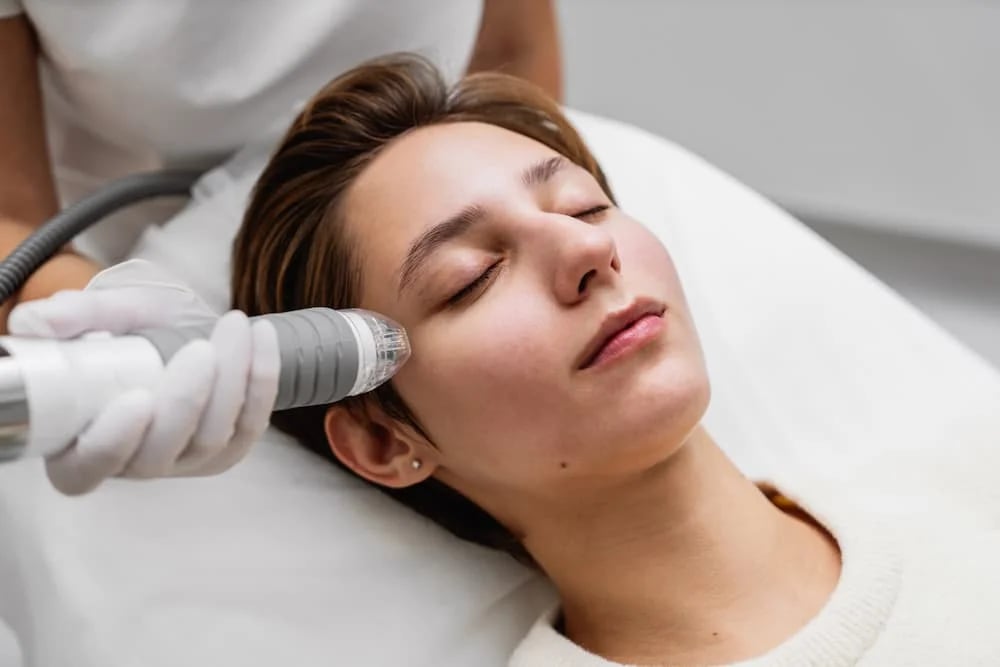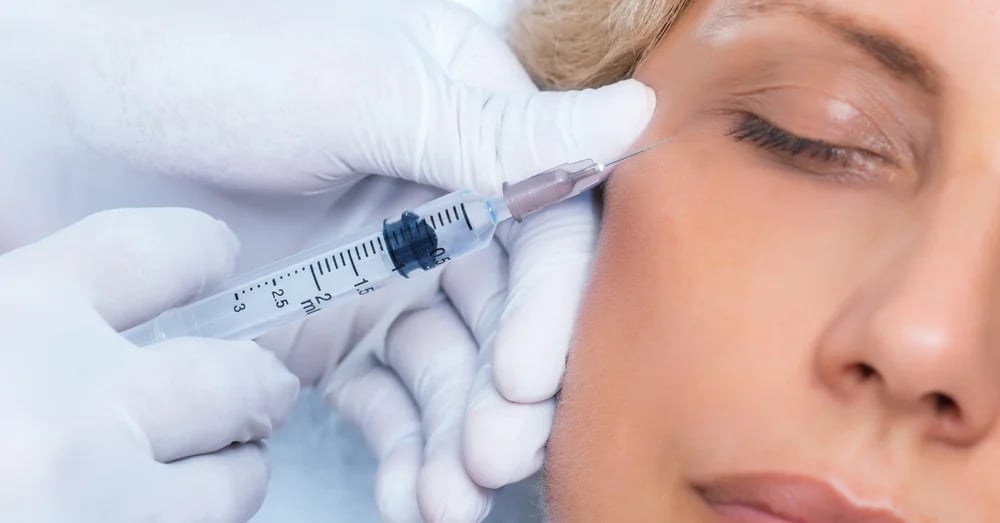

You’ve decided you want to address several concerns on your face. Your skin is dull, you have volume loss, and you’re tired of your crows’ feet. You want to do it all. The logical question: Can I just get Botox, fillers, and a chemical peel all in one appointment? The honest answer: Sometimes yes, sometimes no, and it depends entirely on which treatments you’re combining and how aggressive each one is. This guide walks through which combinations make sense, which need spacing, and why.
The General Rule: Same-Session vs. Staggered
The core principle is inflammation management. Most aesthetic treatments trigger some degree of inflammation in your skin as part of how they work. Add too much inflammation at once, and you increase swelling, bruising, sensitivity, and risk of complications. Space treatments apart, and each one heals before the next begins, reducing the cumulative inflammatory load.
That said, not every treatment combination creates inflammation. Botox and filler, for example, have different mechanisms and can typically be done in the same session with minimal issue. Light treatments like facials can stack. But aggressive treatments-chemical peels, intense laser work, microneedling-need breathing room between them.
Which Treatments Can Be Combined in a Single Session
Botox + Dermal Fillers
This is the most common combination. Botox relaxes muscles; filler adds volume to areas that need it. They address different concerns, work through different mechanisms, and don’t interfere with each other. The only caveat: if you’re getting a lot of both, the total treatment time might be longer, but there’s no medical reason not to do them together. This combination is done thousands of times daily.
The minor consideration: Botox takes three to seven days to show full results, while fillers show results much faster (by day seven, often sooner). So if you do both on the same day, results will emerge at different rates, which is fine-just something to expect.
Botox + Dermal Fillers + Microneedling (RF or Standard)
This is less common but can work if the microneedling is done at low to moderate intensity. The reasoning: microneedling creates micro-injuries to stimulate collagen. Adding Botox and filler doesn’t interfere with that mechanism. However, this combination increases overall inflammation significantly, so it’s only appropriate if all treatments are mild to moderate intensity, and it typically requires a provider who is experienced combining them.
Skip this combination if you’re doing aggressive RF microneedling or if the provider is being heavy-handed with any of the treatments.
Dermaplaning + Gentle Facial + Light Filler Touch-Up
These are all low-trauma procedures. Dermaplaning physically removes surface skin. A gentle facial hydrates. A small filler touch-up adds minimal volume. Together, they can be done in a single session, though spacing by a week is more conservative and often preferred.
IPL Photofacial in Multiple Sessions Without Other Treatments
IPL is its own series typically done four to six weeks apart. You can’t do aggressive treatments between IPL sessions, but you can do gentle facials or basic skincare.
Treatments That Must Be Spaced Apart
Chemical Peels + Other Resurfacing (VI Peel, TCA, etc.)
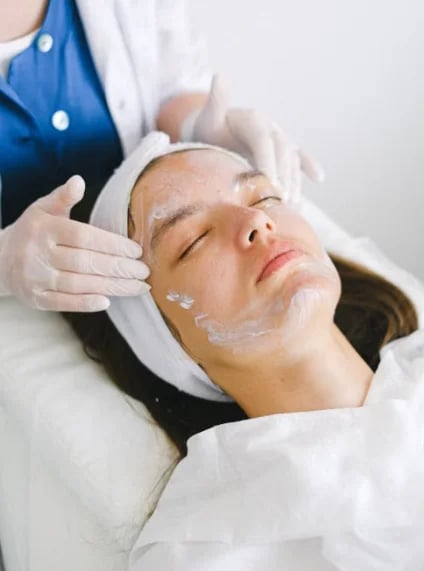
Chemical peels remove surface layers of skin through a chemical process. Combining a chemical peel with laser resurfacing, intense microneedling, or dermabrasion in the same session is overkill-it’s too much simultaneous trauma to the skin.
Spacing rule: Wait at least four to six weeks between a chemical peel and any other resurfacing treatment.
Laser Treatments (Laser Hair Removal, IPL) + Aggressive Microneedling
Both create heat-based injury to the skin. Together in the same session, they can cause excessive inflammation, prolonged redness, and increased bruising and swelling.
Spacing rule: If you’re combining laser hair removal with microneedling, space them at least four weeks apart. If it’s IPL (which is gentler than ablative laser), you can sometimes do it with milder microneedling at two to three weeks apart, but it’s still not ideal.
Chemical Peel + Laser Hair Removal or IPL
The chemical peel strips surface skin. The laser then targets pigment in that freshly exposed layer. While both treat pigmentation, doing them together is excessive trauma.
Spacing rule: Wait at least four to six weeks between a chemical peel and laser or IPL treatment.
Aggressive Microneedling + Microneedling
Doing microneedling twice in the same session is rarely done because one treatment is usually sufficient to create the collagen-stimulating response you’re after. If you need additional microneedling, wait at least six weeks.
Spacing rule: Six weeks minimum between microneedling sessions, preferably eight to twelve weeks.
Botox or Filler + Intense Massage or Facial Tools Immediately After
This is less about spacing treatments and more about immediate aftercare, but it deserves mention: if you just got Botox or filler, don’t immediately follow it with a facial that includes heavy massage or aggressive tools. Wait at least one week.
Treatments That Have Flexible Spacing (Can Be Adjusted)
Filler + Microneedling
These can be done in the same session if the microneedling is mild to moderate intensity (not RF microneedling at high power). Some providers prefer to do filler first, then microneedling at the end. Others prefer to space them by a week or two. Talk to your provider about their preference.
Spacing rule: Same session to two weeks apart, depending on provider preference and treatment intensity.
Botox + Light Laser or IPL
Botox and light laser treatments don’t typically interfere. Some providers will do both in the same appointment without issue. Others prefer to space them by a week to be conservative. The risk is relatively low, but excessive heat to the face immediately after Botox can theoretically affect how it settles. Conservative spacing is safer.
Spacing rule: Same session to one week apart, conservative approach is one week.
Dermaplaning + Gentle Chemical Peel
Dermaplaning removes vellus hair and surface skin cells. A light chemical peel also removes surface skin. Doing both is aggressive exfoliation, but some patients tolerate it, and some providers will do it. This is provider and patient tolerance dependent.
Spacing rule: Same session if both are mild intensity; two weeks apart is the more conservative approach.
Treatment Combinations to Absolutely Avoid
Aggressive Laser (Ablative CO2 or Erbium) + Chemical Peel - This is excessive wounding to the skin and is rarely done by responsible providers.
Multiple Chemical Peels in One Session - Using both a VI Peel and a TCA peel, for example, is overkill and risks serious complications.
Microneedling + Aggressive Laser on the Same Day - The cumulative heat and injury can cause excessive swelling, scarring risk, and prolonged recovery.
Botox/Filler + Aggressive Facial Right After - Getting your injectables and then immediately having an aggressive facial with heavy massage negates the work you just paid for and can move the product around.
Building a Multi-Month Aesthetic Plan
If you want to address multiple concerns and are comfortable with staggered treatments, here’s a typical aesthetic plan:
Month 1: Botox + Dermal fillers (same appointment) to address wrinkles and volume loss.
Month 2: Recovery from Botox and fillers. Gentle skincare and sunscreen only.
Month 3: Microneedling or RF microneedling for texture and collagen stimulation.
Month 4: Recovery from microneedling. Gentle skincare.
Month 5: Chemical peel (VI Peel) for pigmentation and overall skin clarity.
Month 6: Recovery and assessment. Depending on results, either maintenance visits or planning next phase.
Month 7+: Maintenance appointments. Most people return to Botox and filler at the six to twelve-month mark. Microneedling is often repeated every six to twelve months depending on results.
This is just one example. Your actual plan depends on your specific concerns, skin type, and what your provider recommends. But the principle applies: cluster non-conflicting treatments together, space aggressive treatments apart, and build in recovery time between major procedures.
Special Considerations by Treatment Type
Laser Hair Removal + Other Treatments
Laser hair removal can typically be done with mild Botox or filler appointments. However, it should be spaced from aggressive facial treatments like intense microneedling or peels. Give yourself at least two weeks before or after a chemical peel.
IPL Photofacial + Other Treatments
IPL is milder than ablative laser, so spacing is more flexible. IPL can be done with Botox or filler. IPL should be spaced from aggressive microneedling by at least two weeks. Wait four weeks between IPL and chemical peel.
Microneedling + Skincare Treatments
Standard microneedling can technically be done with Botox or light filler work. RF microneedling requires more caution. After microneedling, wait at least one week before doing aggressive facial treatments or peels.
Questions to Ask Your Provider Before Combining Treatments
- “Which of these treatments can be done in the same appointment?”
- “Which need to be spaced apart, and why?”
- “What’s the ideal spacing if I want to do multiple treatments?”
- “What does my specific aftercare look like if I’m combining treatments?”
- “If something goes wrong or I have excessive swelling, what do I do?”
- “Is this combination you’re recommending based on your experience, or is there a medical reason not to combine these?”
A good provider can answer these clearly and explain the reasoning. If they can’t or won’t discuss spacing, that’s a red flag.
Cost and Timing Considerations
Combining treatments in one session saves time and can sometimes save money on facility or anesthesia fees. However, staggering treatments costs more because you’re paying for separate appointments. For many patients, this trade-off is worth it because staggered treatments reduce recovery time and allow you to see results from one treatment before committing to the next.
Managing Expectations Across Treatments
When you combine multiple treatments, results emerge at different rates. Botox takes days to weeks. Fillers show quickly. Microneedling shows results over weeks to months as collagen builds. Chemical peels show immediate surface improvement, then continuing improvement for weeks. Don’t panic if different treatments seem to “work” at different speeds-that’s normal and expected.
Frequently Asked Questions
Can I get Botox and fillers on the same day?
Yes, this is a very common combination. They address different concerns and don’t interfere with each other. Expect to see Botox results in three to seven days and filler results much faster, typically within a few days.
Can I get laser hair removal and Botox at the same appointment?
Yes, and this is a safe combination. There’s no medical reason not to do both on the same day. Your provider might prefer to do one first and one second, but order doesn’t matter much.
Can I get a chemical peel and microneedling at the same time?
Not on the same day. Both are resurfacing treatments that create inflammation and micro-injury. Stacking them is excessive. Wait at least four to six weeks between them.
How long should I wait between a chemical peel and laser hair removal?
Typically four to six weeks. A chemical peel removes the surface layer of skin, making it more sun-sensitive and reactive. Doing laser work during that window increases risk of complications. Wait until the peel has fully healed and your skin has normalized.
Can I do IPL and microneedling together?
Not aggressively. Light IPL + mild microneedling in the same session is sometimes acceptable, but it’s not ideal. Spacing them by two to four weeks is the better approach. High-intensity RF microneedling should definitely be spaced from IPL.
What if I want to do multiple treatments but don’t want to wait months?
Discuss with your provider. Some treatments can be stacked or combined safely. Others can’t. Your provider can create a timeline that addresses your concerns as efficiently as safely possible, but trying to rush aggressive treatments risks complications and uneven results.
Should I space treatments if one is very light?
Generally, yes. Even a “light” treatment adds some inflammation. Two light treatments together might be okay (like dermaplaning plus a gentle facial). But a light treatment plus a moderate treatment should be spaced. Use your provider’s judgment as your guide.
Can I get filler touch-ups if I had a chemical peel recently?
Wait at least two weeks after a peel before getting filler. Your skin is still healing from the peel, and adding injections too soon increases swelling and bruising. Two weeks allows your skin to normalize before starting a new treatment.