
Have you lost interest in sex and simply assumed it’s a natural part of getting older? Or maybe you’re not even at “that certain age” yet, and the drop in desire caught you off guard. Either way, the assumption that declining libido is just something women have to accept often keeps women from looking for what’s actually causing it, and from finding treatments that genuinely work.
Why Low Libido Isn’t Just “In Your Head”
For decades, low female sexual desire was treated as primarily psychological, something to be addressed through counseling or simply accepted as a normal consequence of stress, relationship dynamics, or aging. While psychological and relational factors absolutely matter, this framing has historically overshadowed a significant physiological piece of the picture: hormones.
Estrogen, progesterone, and testosterone (yes, women produce testosterone too) all play a direct role in sexual desire, arousal, and satisfaction. As these hormones shift, whether due to perimenopause, menopause, postpartum changes, or other factors, sexual desire often shifts right along with them. This isn’t a character flaw or a relationship failure, it’s measurable physiology.
Common Causes of Declining Female Libido
Several factors can contribute to reduced sexual desire in women, often overlapping and compounding each other, which is exactly why a one-size-fits-all pill so rarely works as well as marketing promises:
- Hormonal changes, particularly declining estrogen and testosterone during perimenopause and menopause
- Postpartum hormonal shifts, which can suppress libido for an extended period after childbirth
- Chronic stress, which elevates cortisol and can suppress the hormones that support healthy libido
- Certain medications, including some antidepressants and hormonal birth control, which can reduce sexual desire as a side effect
- Vaginal dryness or discomfort, often related to declining estrogen, which can make sex physically uncomfortable and reduce desire as a result
- Fatigue and poor sleep, which reduce both the physical energy and mental bandwidth needed for sexual interest
Because so many of these factors overlap, pinpointing the actual cause usually requires more than a guess, it requires a genuine evaluation that takes your full symptom picture, not just the presence or absence of desire itself, into account.
Why Traditional Drugs Often Disappoint
Several medications marketed for female sexual dysfunction have made it to market with underwhelming results, often carrying real side effects while producing only modest benefits for a subset of patients. This gap between marketing promise and actual results has understandably left many women skeptical of pharmaceutical approaches to libido concerns, and reluctant to bring up the topic with a physician at all, even though the conversation itself is often the fastest path to real answers.
The disappointing track record of these drugs largely comes down to a mismatch between mechanism and cause. A medication designed to address one specific pathway won’t help much if a woman’s low libido is actually driven by a hormonal deficiency the drug was never designed to correct.
Hormone Replacement as a Targeted Alternative
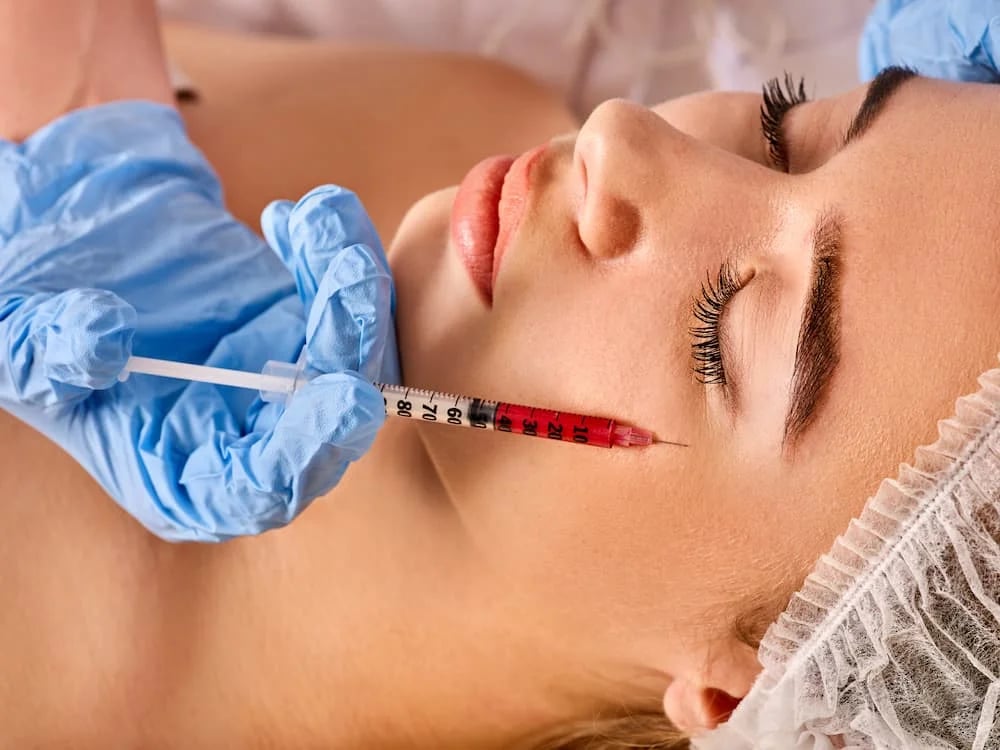
Rather than a single pharmaceutical mechanism applied broadly, hormone replacement therapy addresses the root hormonal changes that are often actually driving reduced desire. One option that has gained attention is the O-Shot (sometimes called the “Wow Shot”), a treatment that uses platelet-rich plasma to stimulate tissue regeneration in areas of the body involved in sexual response, improving sensation, arousal, and natural lubrication for many patients. Unlike some pharmaceutical options that have struggled to demonstrate consistent results, PRP-based treatments like the O-Shot have built a longer track record among patients seeking a non-drug approach with minimal side effects.
At Ageless Health Institute, our hormone therapy programs evaluate the full hormonal picture, estrogen, progesterone, and testosterone together, since libido concerns rarely trace back to a single hormone in isolation. For women navigating perimenopause or menopause specifically, our guide on HRT for women: pills, creams, injections, or pellets covers how different delivery methods compare for addressing a range of symptoms, including libido, together.
Addressing Vaginal Dryness and Physical Comfort
For many women, reduced libido is inseparable from physical discomfort during sex, particularly vaginal dryness related to declining estrogen. This is a legitimate, treatable medical issue, not something to simply push through. Options range from localized estrogen treatments to broader hormone therapy, and addressing this physical barrier often restores a meaningful part of sexual desire on its own, simply by removing the discomfort that was suppressing interest in the first place. Our functional medicine and regenerative medicine approach evaluates these physical and hormonal factors together, rather than treating dryness and desire as separate, unrelated complaints.
The Role of Testosterone in Female Libido
Testosterone’s role in female sexual desire is still underappreciated relative to how significant it actually is. Women produce testosterone in the ovaries and adrenal glands, and it plays a direct role in sexual desire, arousal, and the physical sensations associated with sexual response. Declining testosterone, which often begins well before perimenopause, can quietly suppress libido years before more commonly discussed menopause symptoms appear, a pattern we cover in more detail in does testosterone spur ambition in women, since the same hormonal decline touches confidence and drive alongside libido. A comprehensive hormone panel that specifically measures testosterone, not just estrogen and progesterone, is an important part of accurately diagnosing the cause of reduced desire.
Chronic Stress and Its Quiet Effect on Desire
Stress deserves its own mention here, since it rarely gets the credit it’s due as a libido suppressant. Elevated cortisol from chronic stress doesn’t just affect mood and energy, it directly interferes with the hormonal signals that support sexual desire. Women juggling demanding careers, caregiving responsibilities, or ongoing life stress often experience a gradual dampening of libido that has as much to do with a chronically activated stress response as it does with any single reproductive hormone. Addressing stress directly, alongside a hormonal evaluation, is often what allows a treatment plan to actually work rather than treating only part of the picture.
What a Comprehensive Evaluation Looks Like
Understanding what’s actually driving reduced libido starts with a thorough evaluation rather than a prescription based on symptoms alone:
Comprehensive hormone testing, measuring estrogen, progesterone, and testosterone, since imbalances in any of these can independently affect desire.
A review of medications and health history, since certain medications and underlying health conditions can suppress libido as a side effect.
An honest conversation about stress, sleep, and relationship factors, since these areas genuinely matter alongside the hormonal picture, even when hormones are the primary driver.
A personalized treatment plan, which may include hormone therapy, PRP-based treatments like the O-Shot, or a combination approach tailored to your specific findings.
You Deserve an Answer, Not Just an Assumption
If your interest in sex has declined and you’ve simply chalked it up to aging, stress, or “just how things are now,” it’s worth pursuing a real evaluation rather than accepting the assumption. Hormonal causes of low libido are common, treatable, and worth investigating properly, with options that go well beyond the disappointing pharmaceutical drugs that have dominated the conversation around female sexual health for years. Our team can walk you through what a personalized evaluation looks like during a consultation.
Frequently Asked Questions
Is low libido in women always caused by hormones?
Not always, but hormonal changes, particularly in estrogen, progesterone, and testosterone, are a common and often overlooked contributor, and a comprehensive hormone evaluation is an important part of identifying the actual cause.
What is the O-Shot and how does it work?
The O-Shot uses platelet-rich plasma to stimulate tissue regeneration in areas of the body involved in sexual response, which can improve sensation, arousal, and natural lubrication for many women.
Does testosterone affect female libido?
Yes. Women produce testosterone, and it plays a direct role in sexual desire and arousal. Declining testosterone can suppress libido even before more commonly recognized menopause symptoms appear.
Can medications cause low libido in women?
Yes. Certain medications, including some antidepressants and hormonal birth control, can reduce sexual desire as a side effect, which is why a review of current medications is part of a thorough evaluation.
How is low female libido diagnosed?
Diagnosis typically involves comprehensive hormone testing, a review of medications and health history, and a conversation about stress, sleep, and other contributing factors, rather than relying on a single symptom or assumption.