You just invested in Botox, fillers, microneedling, or a chemical peel. You spent real money. You followed all the aftercare instructions perfectly. And now you’re on day ten, past the critical recovery window, and wondering: what now? How do I actually protect this investment? What products help? What makes results last longer? What damages results without you realizing it?
The truth is, professional aesthetic treatments are only half the equation. The other half is what you do at home every single day for the weeks and months between appointments. Smart skincare can extend results, improve their quality, and keep your skin healthy enough to tolerate repeat treatments. Careless skincare can actually undermine results-and you might not realize it’s happening until the improvement fades faster than it should.
This guide walks through the two distinct phases of at-home care: immediate recovery (the critical first one to two weeks) and long-term maintenance (everything after that).
Phase One: Immediate Recovery Skincare (Days 1-14)
This phase is about not interfering with the treatment while your skin heals. Your skin barrier is compromised. Inflammation is ongoing. You’re vulnerable to irritation and infection. Aggressive skincare during this phase can genuinely damage results.
Days 1-3: Absolute Basics Only
Do this:
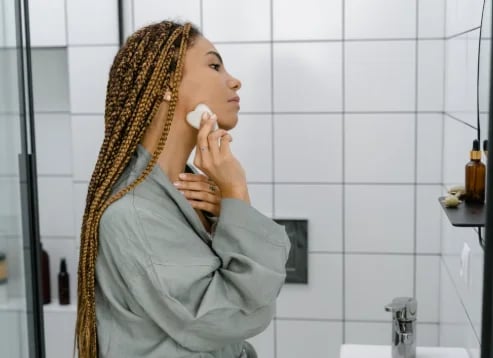
- Cleanser: Use a gentle, non-foaming cleanser. A simple milk cleanser, oil cleanser, or micellar water is ideal. No scrubbing. Pat dry gently.
- Moisturizer: A simple, bland moisturizer without active ingredients. Cetaphil, Vanicream, CeraVe Moisturizing Cream, or similar. Your skin barrier needs support, not stimulation.
- Sunscreen (SPF 30+): Apply daily, even indoors. Treated skin is more sun-sensitive. Mineral sunscreen is often gentler than chemical during this phase.
- Cool compresses: Continue if you have swelling or redness.
- Hydration: Drink extra water. This helps your skin heal from the inside.
Avoid this:
- Actives: No retinoids, vitamin C, niacinamide serums, AHAs, BHAs, peptides, or other active ingredients.
- Makeup: Wait 24 hours minimum. After 24 hours, gentle makeup is fine, but skip makeup on the exact injection sites if possible.
- Fragrance: Avoid scented products; they irritate compromised skin.
- Heavy oils: Save rich oils for later; they can trap heat and increase swelling during the acute phase.
- Hot water: Lukewarm only. Hot water increases inflammation.
- Massage: No massaging your face, even during cleansing. Use hands only, no washcloths or brushes.
- Exfoliation: None. Not even a gentle exfoliant. Your skin barrier is already disrupted.
- Supplements or herbs meant to reduce swelling: Avoid arnica, bromelain, or other anti-inflammatory supplements during this phase; they can thin your blood and increase bruising.
The goal here is boring, protective skincare. You’re not improving anything. You’re preventing harm.
Days 4-7: Gentle Introduction of Hydration
By day four or five, your skin is generally past the acute phase (though redness or swelling may persist). Now is the time to start supporting skin barrier repair more actively, but still gently.
Do this:
- Cleanser: Same gentle cleanser, or you can now try a gel cleanser if you prefer.
- Hydrating toner or essence: This is where hydration products belong. A hydrating toner preps skin and delivers water and humectants. Brands like Hada Labo or COSRX have gentle, effective options.
- Moisturizer: Continue your bland moisturizer, or upgrade to a more nourishing one if your skin is dry. Look for hyaluronic acid, glycerin, or ceramides.
- Sunscreen: Non-negotiable. SPF 30+ daily.
- Gentle eye cream: If under-eye area was treated (with filler or laser), a gentle, hydrating eye cream now helps. Avoid anything with retinoid.
Avoid this:
- Actives: Still none. Your skin barrier is still compromised.
- Vitamin C serums: Wait at least one week.
- Retinoids: Wait at least one week, longer if microneedling or chemical peel was used.
- Acids (AHA/BHA): Wait at least two weeks.
- Heavy creams that trap sweat: As swelling resolves and if you’re resuming light exercise, avoid overly occlusive products that increase heat.
Your skin can now tolerate hydration support. What it still can’t tolerate is active ingredients demanding cellular turnover.
Days 8-14: Strategic Active Introduction
By day eight to ten, for most people (excluding more aggressive treatments like chemical peels or RF microneedling), the skin barrier has recovered enough to tolerate gentle actives, but timing and choice matter.
Do this:
- Cleanser, toner, moisturizer: Continue as above.
- Gentle retinoid: Only if you got Botox, fillers, or laser hair removal. If you got a chemical peel or microneedling, wait longer (see specific treatment guidance below). Start low potency: a retinoid ester like retinyl palmitate or a time-release retinoid like encapsulated retinol. Two or three times per week initially.
- Vitamin C serum: If not doing retinoid, you can start a gentle L-ascorbic acid serum (10-15% concentration) or a more stable derivative like SAP or MAP. Three to four times per week. If combining with retinoid, alternate nights rather than using together.
- Niacinamide: Excellent for barrier repair and can start around day eight. Two to three times per week.
- Peptide serum or moisturizer: If your routine includes peptides, day eight or nine is when you can resume them.
- Sunscreen: Non-negotiable every morning. Double up if you’re using actives at night.
Avoid this:
- Mixing actives too aggressively: If you’re reintroducing retinoid AND vitamin C AND acids at the same time, you’re overwhelming your skin. Introduce one at a time, spaced several days apart.
- Exfoliating acids (AHA/BHA): Most people should wait until day 10-14 minimum, and only if the treatment wasn’t a chemical peel. If it was a peel, wait at least three weeks.
- Heavy fragrance: Still avoid heavily fragranced products.
- Irritating ingredients: Witch hazel, essential oils, or other potentially irritating botanicals.
This phase is about carefully rebuilding your skincare arsenal. You’re not being aggressive; you’re being thoughtful.
Treatment-Specific Skincare Protocols
Different treatments have different implications for your at-home routine. These timelines override the general guidance above if they’re more conservative.
After Botox or Dermal Fillers
Botox and fillers have the gentlest recovery. You can return to a fairly normal skincare routine fastest.
- Days 1-3: Basic routine only (gentle cleanser, moisturizer, sunscreen).
- Days 4-7: Add hydrating toner and eye cream.
- Day 8+: Resume gentle retinoids, vitamin C, niacinamide as tolerated.
- Week 2+: Full routine. By day 14, you can resume all normal skincare including exfoliating acids.
The only real restrictions: no massage on the treated areas (already covered in aftercare), and avoid extremely aggressive physical exfoliation on injection sites for two weeks.
After Microneedling (Standard, Not RF)
Standard microneedling damages the skin barrier intentionally, so recovery skincare is more important.
- Days 1-3: Basic routine only. Your skin barrier is significantly compromised.
- Days 4-7: Add hydrating products. Avoid all actives. Microneedling wounds are still healing.
- Days 8-14: Introduce retinoid very gently if tolerated. Avoid acids and vitamin C during this window; microneedling already creates cellular turnover.
- Week 3+: Resume normal routine. Acids can resume around day 14-21.
RF microneedling has more aggressive recovery; extend all timelines by one week.
After Chemical Peel (VI Peel, TCA, or Deeper)
Chemical peels have the strictest recovery protocol because the wound is deliberately created and is deeper.
- Days 1-7: Basic routine only. No actives, no exfoliation, no acids. Your skin is peeling-this is part of the process, not something to interfere with. Gentle cleanser, moisturizer, sunscreen only. Expect visible peeling; this is normal.
- Days 8-14: Continue basic routine. Do not pick at peeling skin. Let it shed naturally. Peeling usually resolves by day 5-7, but your skin barrier is still compromised.
- Weeks 3-4: Very gentle retinoid if skin is comfortable. No additional exfoliation (chemical or physical). No vitamin C yet.
- Week 4+: Resume normal routine gradually. Many providers recommend waiting a full month before resuming other actives.
After Laser Hair Removal or IPL Photofacial
Laser treatments create heat damage intentionally.
- Days 1-3: Basic routine. The treated area can be sensitive. Extra gentle.
- Days 4-7: Add hydrating products. Still no actives on the treated area.
- Days 8-14: Gentle actives on untreated areas only. The treated area can resume normal skincare by day seven or eight, but be conservative.
- Week 3+: Full routine on treated area. Avoid additional heat or sun exposure on the area.
Combining Multiple Treatments
If you’ve done Botox and fillers together, or fillers and microneedling together, follow the more conservative protocol of the two.
If you’re spacing treatments intentionally (such as Botox first, then fillers one week later), the skincare protocol continues from the most recent treatment. Once you’re past the recovery window of the last treatment, you can resume normal skincare.
Phase Two: Long-Term Maintenance Skincare (Weeks 3-12 and Beyond)
Once you’re past the immediate recovery phase, skincare shifts from damage prevention to results preservation and prevention of new damage.
The Maintenance Skincare Routine
By week three, most people can return to their full skincare routine. What matters now is choosing products and protocols that:
- Maintain skin barrier health so your skin can tolerate repeat treatments in the future
- Support the mechanisms of your treatments (collagen production for microneedling, muscle relaxation for Botox, etc.)
- Prevent new sun damage (the number-one cause of premature aging and the most common reason results fade)
- Avoid products that accelerate breakdown of your treatments
The Non-Negotiable Elements
Sunscreen, every single day: This cannot be overstated. UV exposure degrades hyaluronic acid fillers faster. It breaks down collagen (which is what Botox and microneedling rely on). It damages skin barrier. It causes new wrinkles. If you get aesthetic treatments but skip sunscreen daily, you’re undermining them. Use SPF 30 minimum, ideally SPF 50+. Reapply if you’re outside for extended periods. Yes, even in winter. Yes, even on cloudy days.
Retinoid (3-4 times per week): Retinoids stimulate collagen production, which supports the results of microneedling and helps prevent the new wrinkles that Botox is preventing. They also accelerate cell turnover, improving skin texture and tone. Use a strength appropriate for your skin. If you’ve never used retinoids before, start low (retinol, retinyl palmitate, or encapsulated retinol) and build up slowly. If you’re experienced, a prescription retinoid (tretinoin, adapalene, or tazarotene) is ideal.
Moisturizer (twice daily): A healthy skin barrier tolerates treatments better, heals faster, and shows results better. Use a moisturizer matched to your skin type. If your skin is dry or sensitive, use a richer cream. If your skin is oily, a lightweight gel-cream or gel moisturizer works.
Gentle cleanser: Stop using harsh, stripping cleansers. Even if your skin is oily, a sulfate-free gel cleanser or cream cleanser is better than anything that leaves your skin feeling tight. Healthy skin barrier = better treatment results.
Optional But Helpful Additions
Vitamin C serum (3-4 times per week): Stabilizes collagen, brightens skin, and works synergistically with sun protection. Look for L-ascorbic acid (10-15%), SAP (sodium ascorbyl phosphate), or MAP (magnesium ascorbyl phosphate). These are more stable and effective than other derivatives.
Hyaluronic acid serum: If you’ve had fillers, using a hydrating hyaluronic acid serum (lower molecular weight, or HA blend) supports skin hydration and can make filler results look more plump longer. Apply to damp skin before moisturizer.
Niacinamide (2-3 times per week): Supports barrier health, reduces redness, and improves skin texture. Works well alongside other actives.
Peptide products: Peptides support collagen production, similar to retinoids. If you prefer to avoid retinoids (due to sensitivity or pregnancy), peptides are an alternative.
Products to Avoid or Minimize
Alcohol-based products: These are drying and can compromise your skin barrier. If a product has alcohol listed in the first few ingredients, skip it.
Fragrance (especially essential oils): Fragrance irritates skin and can trigger sensitivity. Stick with fragrance-free products or lightly scented ones where fragrance is last in the ingredient list.
Physical exfoliants (scrubs, brushes): These can be too aggressive, especially if you’re already using chemical exfoliants or doing professional treatments. If you love exfoliation, use a gentle tool like a konjac sponge once or twice weekly, not daily.
Mixing too many actives: Retinoid + vitamin C + acids + peptides + niacinamide all at once is overwhelming. Stick to 2-3 complementary actives in your routine. Alternate nights if you’re using multiple potentially irritating actives.
Smoking and excessive alcohol: These accelerate aging and reduce how long aesthetic treatment results last. If you want to protect your investment, limiting these helps.
The Timeline: Product Reintroduction After Each Treatment Type
| Treatment | Recovery Skincare (Days 1-14) | Gentle Actives (Days 8-14) | Full Routine (Week 3+) |
|---|---|---|---|
| Botox/Fillers | Gentle cleanser, moisturizer, SPF | Retinoid OK by day 8 | Resume all by day 14 |
| Microneedling | Gentle cleanser, moisturizer, SPF | Very gentle retinoid only | Acids OK by day 14-21 |
| Chemical Peel | Gentle cleanser, moisturizer, SPF | None-let skin recover | Wait 3-4 weeks for actives |
| Laser/IPL | Gentle cleanser, moisturizer, SPF | After day 8 on untreated areas | Full routine by week 3 |
Lifestyle Factors That Protect Results
Beyond products, daily habits matter enormously.
Sleep quality: Poor sleep increases inflammation, accelerates aging, and reduces how long treatment results last. Aim for seven to nine hours. Elevate your head while sleeping; gravity pulls facial tissues downward overnight, and elevation helps.
Hydration: Drink adequate water. Hyaluronic acid binds water, so fillers look better when your body is hydrated. Dehydrated skin also shows fine lines more dramatically.
Stress management: Chronic stress accelerates aging visibly. Consider your stress level as much as your skincare routine.
Nutrition: Collagen-supporting nutrients include vitamin C, zinc, copper, and amino acids. You can’t out-supplement a poor diet, but a diet rich in vegetables, lean protein, and healthy fats supports skin health.
Exercise: Moderate exercise improves circulation and skin health. Intense exercise immediately before or after treatments can increase swelling, but regular exercise supports results long-term.
Avoiding sun damage: This deserves its own mention. UV exposure is the single largest modifiable factor in how long treatment results last. Wear sunscreen daily. Wear a hat and sunglasses. Seek shade when possible. This is non-negotiable if you’re investing in aesthetic treatments.
When to Adjust Your Routine
Your skincare routine isn’t static. Seasons change, skin changes, and treatments change what your skin needs.
If you develop redness or sensitivity: Pull back to a basic routine. You may have introduced too many actives too quickly. Return to cleanser, moisturizer, and sunscreen only. Reintroduce actives slowly, one at a time, spaced one week apart.
If your skin feels dry: Add more hydrating layers. Use a hydrating toner or essence before moisturizer. Use a richer moisturizer. Consider adding a facial oil or occlusive layer at night.
If your skin feels oily or congested: Don’t strip it with harsh cleanser. This typically makes oiliness worse. Instead, use a gentle cleanser and lightweight moisturizer. Ensure you’re not over-exfoliating; excess exfoliation can trigger oil production.
If you’re getting regular treatments: Rotate which actives you emphasize. If you’re getting microneedling every other month, you might use retinoid four times weekly. If you’re on a gentler schedule, you can be more aggressive with acids or vitamin C.
If you’re preparing for a treatment: In the two weeks before any professional treatment, simplify your routine to basic cleanser, moisturizer, and sunscreen only. Stop actives. This gives your skin barrier the best foundation going into the treatment.
Supplements and Ingested Ingredients
While at-home skincare primarily means topical products, some people ask about supplements or ingestible collagen to support results.
The honest answer: Limited evidence supports most supplements directly improving aesthetic treatment results. Collagen supplements may support skin hydration (the collagen itself likely breaks down and isn’t incorporated as collagen), but this is mild. Hyaluronic acid supplements similarly have limited strong evidence.
What has better evidence: vitamin C (topical and ingested), hydration (drinking enough water), and avoiding behaviors that damage collagen (sun exposure, smoking).
If you want to supplement, focus on basics: vitamin C, zinc, and adequate protein. These support collagen production. Avoid “detox” supplements or anything making dramatic claims; they’re typically ineffective and sometimes irritating.
Frequently Asked Questions
How soon can I resume my normal skincare routine after treatment?
For Botox and fillers, by day 14. For microneedling, day 14-21. For chemical peels, wait three to four weeks. For laser/IPL, by day 14 on untreated areas. In all cases, introduce products gradually rather than resuming everything at once.
Can I use retinoids while I have Botox or fillers?
Yes, once you’re past the critical recovery phase (around day 8). Retinoids support collagen, which supports the results of your treatments. They don’t interfere with Botox or fillers.
Does sunscreen reduce how long fillers last?
No-sunscreen protects fillers. UV exposure degrades hyaluronic acid fillers, making them break down faster. Using daily sunscreen extends how long your results last.
What if my skin is sensitive? Can I still use actives?
Yes, but more slowly. Start with lower-potency actives (retinyl palmitate instead of tretinoin, gentle acids instead of high-strength peels). Introduce one active at a time, spaced one week apart. Many sensitive skin types do well with niacinamide and gentle retinoids.
Should I use vitamin C and retinoid at the same time?
You can, but they work better on alternating nights if you’re new to actives or have sensitive skin. Both can be slightly irritating, and combining them increases irritation risk. As your skin adapts, you can combine them if tolerated.
Does exfoliating more help keep treatment results looking fresher?
No-over-exfoliating damages your skin barrier and can actually accelerate aging. Stick with gentle chemical exfoliation (AHA or BHA) two to three times weekly. Physical exfoliation like scrubs should be minimal or avoided.
Can I use toners, essences, or sheet masks after treatments?
Yes-these are generally hydrating and safe. Hydrating toners and essences can be introduced around day four. Sheet masks are fine by day seven or eight, especially hydrating or soothing ones. Avoid masks with actives until day 10-14.
What’s the best time to start a new skincare product if I’m getting regular treatments?
Start new products at least one week after a treatment and stop them at least one week before your next treatment. This gives your skin stability and prevents introducing variables that might cause sensitivity during recovery.
Does diet affect how long aesthetic treatment results last?
Somewhat. A diet poor in nutrients accelerates aging generally. A diet rich in antioxidants, vitamin C, zinc, and protein supports skin health. But no diet is going to extend filler results significantly if you’re not also using sunscreen daily.
Is expensive skincare better than affordable skincare for maintaining results?
Not necessarily. An affordable gentle cleanser, moisturizer, and sunscreen are more important than expensive serums. A drugstore retinoid works as well as a luxury retinoid. Focus on the fundamentals: gentle cleansing, hydration, sun protection, and retinoids. Quality matters, but price doesn’t always correlate with results.