Key Points
- The VI Peel is one of the more commonly used in-office options for pigmentation, and VI Peel Precision Plus adds a booster aimed specifically at stubborn discoloration.
- Melasma and sun spots are different problems with different outlooks - sun spots often clear more readily; melasma is managed rather than cured.
- Pigmentation almost never resolves in one session. Plan on a series of 3–6 peels spaced 4–6 weeks apart.
- Results build gradually, and some pigment continues lightening for weeks after peeling finishes.
- Daily sun protection is the single biggest factor in whether your results hold - especially in Phoenix.
- Picking at peeling skin can create new dark patches, which is the opposite of the goal.
Pigmentation is one of the most frustrating skin concerns to live with. Unlike a fine line that developed slowly, dark patches often seem to appear suddenly - after a pregnancy, a summer, a breakout that healed badly - and then refuse to fade no matter how many brightening serums you try. If you’ve been researching in-office options, the VI Peel comes up constantly for exactly this concern.
This guide covers what the VI Peel actually does for pigmentation, how melasma differs from other types of discoloration, how many treatments to realistically expect, and what determines whether your results last. It’s written to set honest expectations, because pigmentation is an area where overpromising is common and disappointment is the usual result.
The Different Kinds of Pigmentation - and Why It Matters
“Dark spots” is a catch-all for several distinct problems. Knowing which one you have shapes everything about your treatment plan.
Sun spots (solar lentigines). These are the discrete brown spots that accumulate with cumulative UV exposure - on the face, the chest, the backs of hands. They’re the most straightforward type to treat and often respond well to resurfacing. In a sunbelt city like Phoenix, they’re extremely common and tend to show up earlier than people expect.
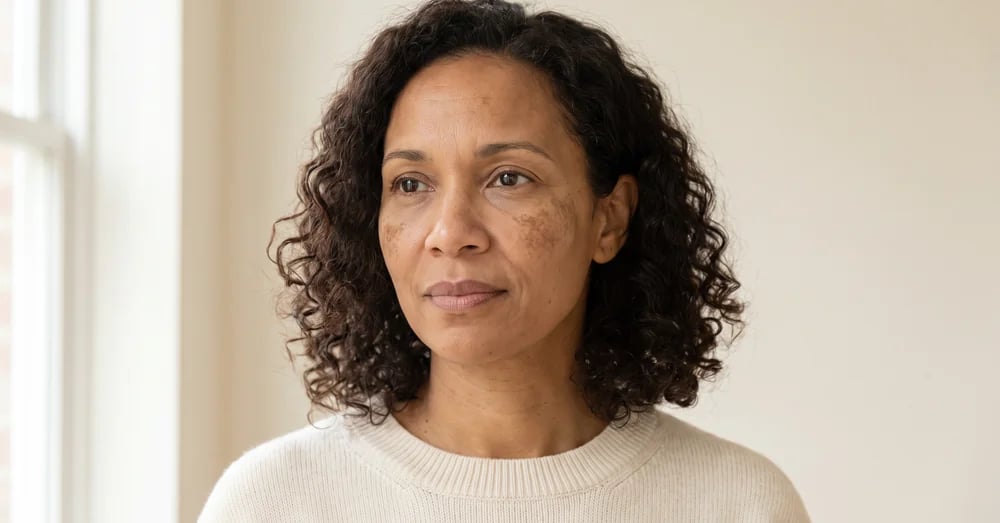
Melasma. This is the symmetrical, patchy, often blotchy discoloration that typically shows on the cheeks, forehead, upper lip, and jawline. It’s driven by a combination of hormones, sun, and heat, and it’s genuinely chronic - melasma is managed, not cured. It can improve substantially with treatment, then flare again after a sunny vacation, a pregnancy, or a hormonal shift. Anyone promising to eliminate your melasma permanently is overselling.
Post-inflammatory hyperpigmentation (PIH). These are the dark marks left behind after inflammation - an acne lesion, a bug bite, a cut, a burn. PIH fades on its own over months, and treatment speeds that along. It’s more common and more persistent in deeper skin tones. Importantly, PIH is also a risk of treatment done badly, which is why aftercare discipline matters so much.
Freckles and general uneven tone. Some people aren’t dealing with a discrete condition so much as a general loss of evenness - a dullness, a patchiness, a sense that skin tone isn’t uniform anymore. Resurfacing tends to help here fairly reliably.
Most people have some mix. A consultation is where a provider sorts out which mechanisms are in play for you, because a plan built for sun spots isn’t the same as a plan built for melasma.
How a VI Peel Addresses Pigmentation
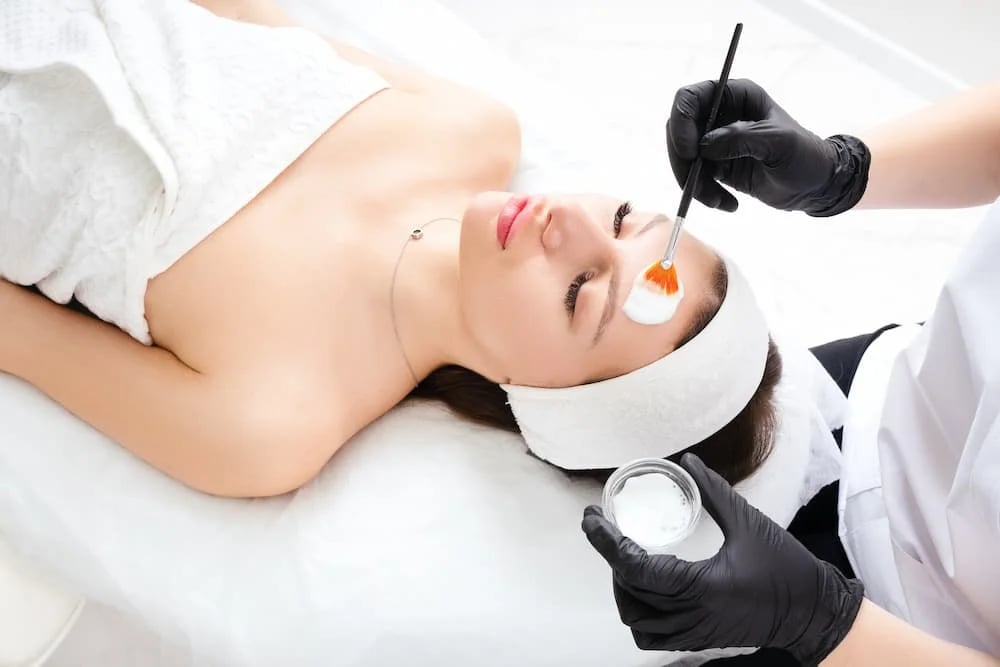
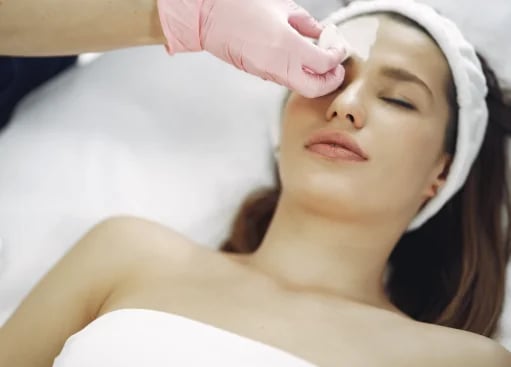
A VI Peel is a medical-grade chemical peel. Its solution combines several acids and ingredients that work together to loosen the bonds between damaged surface skin cells, prompting that layer to shed over the following days. Fresher, more evenly pigmented skin is revealed underneath, and the turnover process encourages renewal in the deeper layers as well.
For pigmentation specifically, this matters in two ways. First, physically removing pigmented surface cells directly reduces visible discoloration. Second, the renewal process helps disrupt the ongoing pattern of uneven pigment production, which is why results often keep improving in the weeks after peeling finishes rather than stopping the moment the flaking ends.
That second mechanism is why a series works better than a single treatment. Each peel prompts another cycle of turnover, and improvements compound. It’s also why spacing matters - peels too close together don’t accelerate the process, they just irritate skin, and irritated skin can produce more pigment.
VI Peel vs. VI Peel Precision Plus for Pigmentation
The standard VI Peel is a versatile resurfacing treatment that improves tone, texture, clarity, fine lines, and mild discoloration. It’s a strong general-purpose choice and a reasonable starting point if your pigmentation is light or if uneven tone is one of several concerns.
VI Peel Precision Plus includes an added pigmentation booster and is formulated specifically for more stubborn discoloration - melasma, sun damage, and persistent dark patches. Because of that additional component, it’s priced slightly higher.
Which one you need is a clinical judgment, not a checkbox. If melasma or entrenched sun damage is your main complaint, Precision Plus is often the better-matched tool. If you want a general refresh with some tone improvement, the standard peel may be entirely sufficient. Your provider will recommend based on what they see, your skin type, and your history with pigmentation.
For a full breakdown of pricing and packages, see our guide to VI Peel cost in Phoenix.
How Many Treatments Will You Need?
Here’s the honest answer: more than one.
Most patients treating pigmentation need a series of 3 to 6 peels, spaced 4 to 6 weeks apart. A single peel typically produces a visible refresh - brighter, smoother, more even skin once flaking finishes - but rarely resolves entrenched pigment on its own.
Why the spacing? Your skin needs time to complete its renewal cycle and settle before the next treatment. Peeling more frequently doesn’t speed results; it raises the risk of irritation, and irritation can trigger more pigment production. The 4–6 week interval exists for a reason.
What a realistic arc looks like:
- After peel one: noticeably brighter and smoother once peeling finishes, usually around day 7–10. Pigment may look slightly lighter but is often still clearly present.
- After peel two: many people start seeing genuine change in the pigment itself - patches less defined, overall tone more even.
- After peel three and beyond: cumulative improvement. This is where melasma patients often see the difference that makes the series worth it.
- Ongoing: maintenance peels every few months, combined with strict sun protection, to hold the gains.
It’s also worth knowing that results keep developing after the obvious peeling stops. Skin continues renewing for a couple of weeks, so judging your outcome on day 8 undersells what you’ll see on day 21.
Managing Expectations with Melasma Specifically
Melasma deserves its own honest conversation. It’s a chronic condition. Treatment can lighten it substantially and make it far less noticeable, but it has a strong tendency to return - particularly with sun exposure, heat, and hormonal changes.
That’s not a reason to skip treatment. It’s a reason to frame it correctly: you’re managing an ongoing condition, not performing a one-time fix. The patients who do best with melasma are the ones who treat it as a long-term partnership - a series of peels, then maintenance, then relentless daily sun protection forever.
Heat matters too, not just UV. Hot environments, saunas, and even prolonged cooking over a hot stove can aggravate melasma in some people. In Phoenix, this is a practical daily consideration, not a theoretical one.
Melasma also sits at different depths in the skin. Pigment closer to the surface generally responds better to resurfacing than pigment sitting deeper. Your provider can assess this and give you a more specific outlook than any article can.
Is the VI Peel Safe for Deeper Skin Tones?
This is an important question and one people are right to ask, because some resurfacing treatments carry meaningful risk of post-inflammatory hyperpigmentation in richer skin tones - the treatment itself causing new dark patches.
The VI Peel is used across a range of skin tones, and it’s frequently discussed in that context as a reasonable option when managed properly. But “managed properly” is doing real work in that sentence. The determining factors are provider experience, appropriate peel selection, careful aftercare, and - critically - not picking at peeling skin.
If you have a deeper skin tone or a history of marks after inflammation, raise it explicitly at your consultation. Ask your provider about their experience treating skin like yours and what specific precautions they’d take. A good provider will welcome the question. This is also a situation where going to an experienced, licensed provider matters more than finding the lowest price.
Why Aftercare Decides Your Pigmentation Result
For pigmentation patients more than anyone else, what you do after the peel determines whether you get the result you paid for.
Never pick. This is the big one. Pulling flakes prematurely exposes raw skin, causes inflammation, and inflammation in pigment-prone skin creates new dark marks. You can undo an entire treatment by picking. Let everything shed on its own - trim a dangling piece with clean scissors if you must, but never pull.
Wear sunscreen every single day. Freshly resurfaced skin is highly vulnerable to UV. Unprotected sun during recovery is the fastest way to trigger new pigment and waste the treatment. Broad-spectrum SPF every morning, reapplied every two hours outdoors, plus a hat and shade. In Phoenix this is non-negotiable year-round, not a summer habit.
Moisturize consistently. A well-hydrated barrier heals more evenly and flakes less dramatically.
Skip the actives until fully healed. No retinoids, no acids, no scrubs while you’re peeling.
Avoid heat and sweat for about 72 hours. Relevant for everyone, more relevant for melasma.
The full protocol is in our Complete VI Peel Aftercare & Recovery Guide, which walks through the recovery day by day.
How the VI Peel Compares to Other Pigmentation Treatments
The VI Peel isn’t the only option, and the right tool depends on what you’re treating.
IPL photofacial uses light energy and is often effective for discrete sun spots and redness. It’s generally not first-line for melasma, because heat can aggravate the condition in some patients. Our IPL photofacial page covers what it targets.
Microneedling works primarily on texture, scarring, and collagen. It can play a role in pigmentation protocols but isn’t principally a pigment treatment. See microneedling at Ageless Health Institute.
Other chemical peels vary in depth and ingredients. Lighter peels mean less downtime and gentler results; deeper peels mean more downtime. Our chemical peels overview explains the range.
Topical regimens - prescription and cosmeceutical brightening products - are frequently used alongside in-office treatment rather than instead of it. Pigmentation responds best to a combined approach.
In practice, many pigmentation plans layer more than one modality over time. That sequencing is exactly what a consultation is for.
What a Pigmentation Consultation Should Cover
When you come in, expect your provider to look closely at your skin and ask about history: when the pigmentation appeared, whether it worsens seasonally, whether it followed a pregnancy or a medication change, whether you mark easily after breakouts, and how much sun you actually get.
They should then tell you which type of pigmentation they believe you’re dealing with, which peel they’d recommend and why, roughly how many sessions to expect, what realistic improvement looks like for your specific case, and what maintenance would involve. If melasma is the diagnosis, they should be upfront that it’s managed rather than cured.
You should also leave with clear pre-care instructions. Preparing properly matters - particularly avoiding sun and stopping retinoids ahead of time. Our guide on how to prepare for a VI Peel covers the two weeks beforehand.
Frequently Asked Questions
Does the VI Peel work for melasma?
The VI Peel, particularly VI Peel Precision Plus which includes a pigmentation booster, is commonly used for melasma and can meaningfully lighten it. However melasma is a chronic condition that is managed rather than cured. Expect substantial improvement with a series plus ongoing maintenance and strict sun protection, not permanent elimination.
How many VI Peels do I need for hyperpigmentation?
Most pigmentation patients need a series of 3 to 6 peels spaced 4 to 6 weeks apart. A single peel produces a visible refresh, but entrenched pigment typically requires cumulative treatment. Your provider will tailor the number to your specific concern.
What is the difference between VI Peel and VI Peel Precision Plus?
The standard VI Peel is a versatile resurfacing treatment for tone, texture, clarity, and mild discoloration. Precision Plus adds a pigmentation booster designed for stubborn discoloration like melasma and sun damage, and is priced slightly higher.
How long until I see results on dark spots?
Most people see brighter, more even skin within about a week, once peeling finishes. Pigment itself often continues lightening for two to three weeks after, and meaningful change on stubborn patches usually shows after the second or third peel in a series.
Will my melasma come back after a VI Peel?
It can. Melasma is chronic and tends to flare with sun exposure, heat, and hormonal changes. Ongoing maintenance treatments and daily broad-spectrum sun protection are what keep it controlled between sessions.
Is the VI Peel safe for darker skin tones?
The VI Peel is used across a range of skin tones, but safe treatment depends heavily on appropriate peel selection, an experienced provider, and disciplined aftercare, especially never picking at peeling skin. If you have a deeper skin tone or a history of dark marks after inflammation, raise it specifically at your consultation.
Can picking at my peeling skin cause more dark spots?
Yes. Pulling flakes prematurely exposes raw skin and causes inflammation, and inflammation in pigment-prone skin produces new dark marks. Picking can undo the result you are treating for. Let all peeling shed on its own.
Does sun exposure affect my VI Peel results for pigmentation?
Enormously. Unprotected UV exposure during recovery can trigger new pigment and waste the treatment, and ongoing sun exposure is the main reason pigmentation returns. Daily broad-spectrum SPF, reapplied outdoors, plus hats and shade, is essential, particularly in Phoenix.
Is IPL or a VI Peel better for pigmentation?
It depends on the type. IPL is often effective for discrete sun spots, while melasma can be aggravated by heat, so peels are frequently preferred there. Many plans combine approaches over time. A consultation is the way to determine which fits your specific pigmentation.
Can I treat pigmentation on my chest and hands too?
Chemical peels can be applied to areas beyond the face, including the neck, chest, and hands, depending on the treatment and your provider's assessment. Ask at your consultation which areas are appropriate for your concern.
Treat Your Pigmentation at Ageless Health Institute
Pigmentation responds to patience and consistency more than to any single dramatic treatment. A properly selected peel, a realistic series, disciplined aftercare, and daily sun protection is the combination that actually moves stubborn discoloration.
The team at Ageless Health Institute in Phoenix will assess what type of pigmentation you’re dealing with, recommend the right peel, and build a realistic plan with honest expectations. Call 602-680-7703 or schedule your consultation.
Related reading: