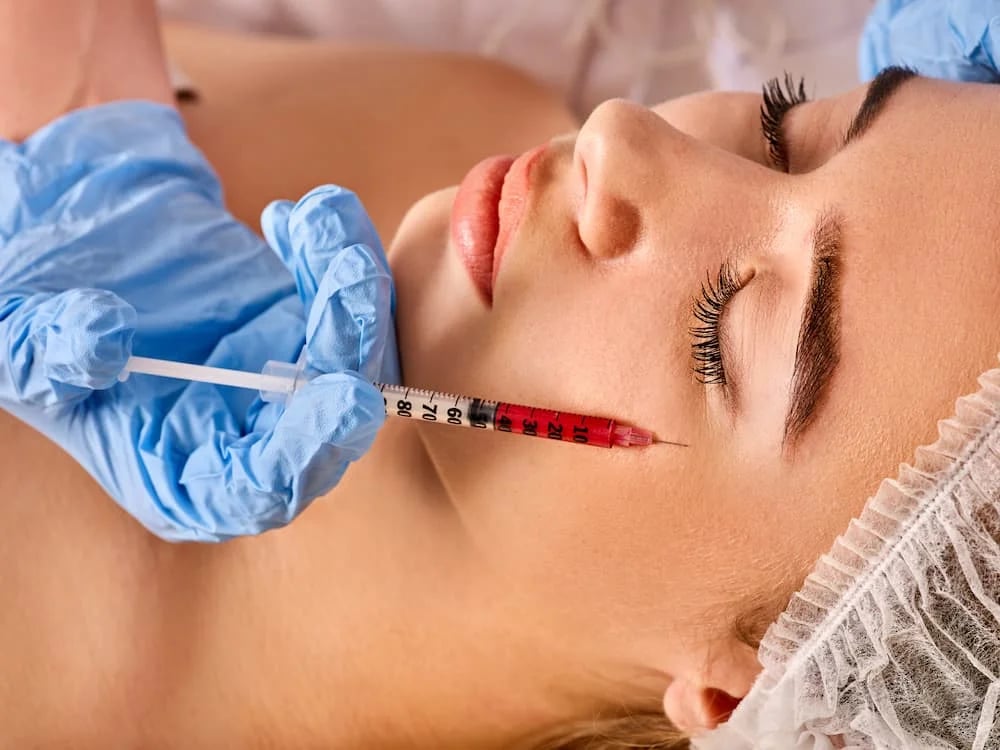
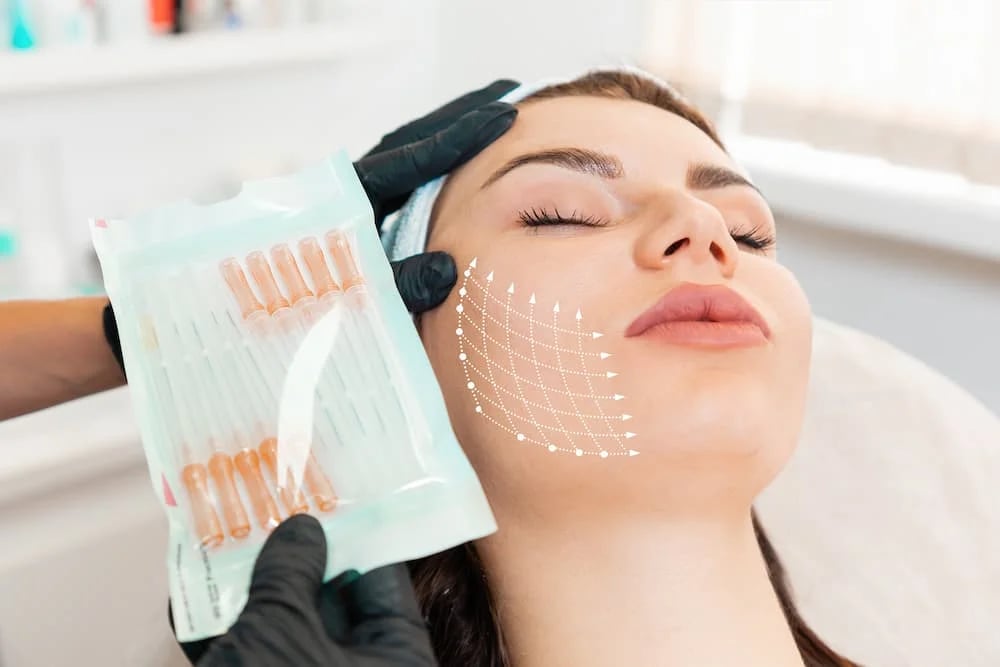
PDO threads have taken the world of aesthetic treatments by storm, offering a minimally invasive way to lift and rejuvenate the face. If you’ve recently undergone a PDO thread lift at Ageless Health Institute, understanding proper thread lift recovery and PDO threads aftercare is essential for achieving optimal results and ensuring a smooth healing process. We’ve created this guide to walk you through everything you need to know about thread lift recovery and caring for your skin after treatment, from managing initial side effects to maximizing your results.
What To Expect After PDO Threads
Immediately after your PDO thread treatment, it’s normal to experience some temporary side effects as your skin starts to heal. During the first 24-48 hours of thread lift recovery, you may notice some swelling, bruising, or tenderness around the treatment areas. Some patients also experience slight dimpling or puckering of the skin, which usually resolves within a few days as the threads settle into their new position.
Your skin may feel tight or pulled in certain areas, but this is actually a positive sign that the threads are providing the lifting effect. Many patients at our practice report feeling some soreness similar to what you might experience after a dental procedure. These sensations are completely normal and indicate that your body is responding appropriately to the treatment.
The threads themselves will be working beneath your skin to stimulate collagen production over the coming weeks and months. While you may see some immediate lifting effects, the full results of your PDO thread treatment will continue to develop as new collagen forms around the threads, creating natural-looking volume and tightness.
Immediate Dos and Don’ts Post-Treatment
Proper PDO threads aftercare begins immediately after your treatment session. Following our guidelines during the first week will help seal in your results and give you a smooth thread lift recovery.
Do keep your head elevated while sleeping for the first few nights, apply ice packs for 10-15 minutes at a time to reduce swelling, take prescribed pain medication or over-the-counter pain relievers as directed, keep the treatment area clean and dry, and follow all specific instructions provided by your Ageless Health Institute provider.
Don’t touch, massage, or manipulate the treated areas unnecessarily; sleep on your side or stomach for at least one week; use harsh skincare products or exfoliants for 7-10 days; expose your skin to excessive heat from saunas, hot showers, or direct sunlight; or consume alcohol for the first 24-48 hours, as it can increase swelling and bruising.
These thread lift recovery guidelines are designed to protect the positioning of your threads while your skin heals and adapts to the treatment.
Managing Swelling, Bruising, and Discomfort
Swelling and bruising are common side effects during PDO threads aftercare, but there are several effective strategies to minimize these symptoms.
For swelling, apply cold compresses for 10-15 minutes several times daily during the first 48 hours, sleep with your head elevated on 2-3 pillows, stay well-hydrated by drinking plenty of water, and avoid salty foods that can contribute to fluid retention. A commonly asked question is whether warm compresses help with post-treatment swelling; the answer is generally no during the acute swelling phase. Cold, not warm, compresses are the right tool in the first 48 hours, since heat can increase blood flow to the area and worsen swelling rather than reduce it. Warm compresses may have a role later in recovery for muscle tension or general comfort, but your provider’s specific guidance should always take precedence over general advice.
For bruising, consider taking arnica supplements before and after treatment (with your provider’s approval), avoid blood-thinning medications and supplements unless medically necessary, apply concealer makeup after the first 24 hours if needed for social situations, and be patient, since most bruising resolves within 7-14 days.
For discomfort, take over-the-counter pain relievers like acetaminophen or ibuprofen as needed, avoid aspirin, which can increase bleeding and bruising, apply cool compresses to areas of tenderness, and contact your provider if pain becomes severe or unusual. Many patients find gentle Microneedling a useful addition to their skincare rotation later in recovery, once their provider confirms the treated area has fully settled.
Remember that everyone’s thread lift recovery experience is different, and some patients may have more pronounced side effects than others based on their individual healing response.
How To Support Healing and Maximize Results
Supporting your body’s natural healing process is crucial for getting the best possible outcome from your PDO thread treatment. Here are key strategies to enhance your PDO threads aftercare.
Nutrition and hydration matter: eating a balanced diet rich in vitamins C and E, zinc, and protein will support tissue repair and collagen synthesis, and staying well-hydrated helps flush toxins from your system and maintain healthy skin elasticity. Gentle skincare is important too: resume your regular skincare routine gradually, starting with gentle cleansers and moisturizers after the first week, and avoid retinoids, alpha hydroxy acids (AHAs), and other active ingredients for at least 10-14 days or until your provider gives clearance. Sun protection is essential, since your skin will be more sensitive following treatment; use a broad-spectrum SPF 30 or higher sunscreen daily and wear protective clothing when outdoors. And follow-up appointments matter: attend all scheduled follow-up visits at Ageless Health Institute to monitor your thread lift recovery and address any concerns, since your provider can assess how well your threads are settling and make recommendations for optimizing your results.
When To Resume Normal Activities
Understanding when it’s safe to return to various activities is an important aspect of thread lift recovery. Here’s a general timeline for resuming normal activities.
In the first 24-48 hours, rest and avoid strenuous activities, keep your head elevated when lying down, and avoid bending over or lifting heavy objects. During days 3-7, light activities like walking are typically fine, but avoid facial treatments, massages, or dental work, and sleep on your back to protect thread placement. By week 2, most patients can resume work and social activities, gentle exercise like yoga or light cardio may be permitted (with provider approval), and makeup can typically be applied normally. By weeks 3-4, you can return to full exercise routines (with provider clearance), resume all normal skincare treatments, and schedule follow-up appointments as recommended.
Your individual PDO threads aftercare timeline may vary based on your healing response and the extent of your treatment. Always consult with your provider before resuming specific activities.
PDO Threads vs. Other Skin-Tightening Options
Patients sometimes weigh PDO threads against other approaches to skin laxity, such as Radiofrequency Skin Resurfacing, which tightens skin through heat-based collagen stimulation rather than physical repositioning. Threads provide a more immediate mechanical lift alongside the same collagen-stimulating benefit, while radiofrequency treatments work more gradually and don’t involve inserting any material under the skin. Some patients combine both approaches over time, using threads for a more noticeable initial lift and radiofrequency treatments to maintain skin quality between thread sessions. Your provider can help determine which approach, or combination, best fits your specific concerns and recovery preferences.
Supporting Results With Complementary Skin Treatments
Once your initial thread lift recovery is complete, many patients continue to support their results with skin-focused treatments that don’t disturb thread placement. A gentle Hydrofacial can be a good option a few weeks out to refresh overall skin quality once your provider confirms it’s safe to resume facials. Patients also managing volume loss alongside skin laxity sometimes ask how Dermal Fillers fit into their overall plan, since fillers and threads address different concerns, volume versus positioning, and are often used together as part of a broader facial rejuvenation strategy. Your provider will advise on appropriate timing so that any additional treatment doesn’t interfere with the threads settling into place.
Signs You Should Contact Your Provider
While mild swelling, bruising, and tenderness are expected parts of thread lift recovery, certain symptoms warrant a call to your provider rather than waiting it out. These include worsening pain instead of gradual improvement, signs of infection such as increasing redness, warmth, or discharge at entry points, a fever, or visible thread material poking through the skin. These situations are uncommon, but Ageless Health Institute’s team would rather hear from you and reassure you than have you manage something on your own that needs professional attention. Trust your instincts: if something feels different from what was described during your consultation, it’s always appropriate to reach out.
Frequently Asked Questions
How long is the recovery after PDO threads?
Most patients experience the initial healing phase within 7-10 days, with full recovery typically occurring within 2-4 weeks. Swelling and bruising usually subside within the first week, while the threads continue to stimulate collagen production for several months after treatment.
What should I avoid after a PDO thread lift?
During thread lift recovery, avoid touching or massaging the treated areas, sleeping on your side, using harsh skincare products, exposing your skin to excessive heat, and engaging in strenuous exercise for at least one week.
How do I reduce swelling and bruising after PDO threads?
Apply ice packs for 10-15 minutes several times daily, keep your head elevated while sleeping, take over-the-counter pain relievers as needed, and avoid alcohol and blood-thinning medications. Arnica supplements may also help reduce bruising when taken as directed.
When will I see results from PDO thread treatment?
While some lifting effects may be visible immediately, the best results develop over 2-3 months as collagen production increases. The full benefits of your treatment can continue to improve for 12-18 months as new collagen forms around the threads.
Can I exercise after getting PDO threads?
Light walking is usually fine after the first few days, but avoid strenuous exercise, heavy lifting, and activities that increase blood flow to the face for at least one week. Your provider at Ageless Health Institute will give you specific guidelines based on your individual treatment and recovery progress.
Do warm compresses help with PDO thread swelling?
No, not during the initial swelling phase. Cold compresses are recommended for the first 48 hours to reduce swelling, since heat can increase blood flow to the area and worsen it. Ask your provider before applying any heat to the treatment area during early recovery.
Is bruising after PDO threads normal, and how long does it last?
Yes, some bruising is a normal and expected part of the healing process, since fine needles or cannulas are used to place the threads. Most bruising resolves within 7-14 days, and arnica supplements may help speed this along when approved by your provider.
Are PDO threads available near me across the Phoenix area?
Yes. We see patients from across the greater Phoenix metro for PDO thread treatment at our Phoenix location, including Tempe, Glendale, Cave Creek, Gilbert, Chandler, Queen Creek, and North Scottsdale.
Achieve Optimal Results with Expert PDO Threads Aftercare at Ageless Health Institute
Proper thread lift recovery and PDO threads aftercare are essential to achieving beautiful, natural-looking results from your treatment. By following these guidelines and working closely with the experienced team at Ageless Health Institute, you can minimize side effects, support optimal healing, and enjoy the full benefits of your PDO thread lift.
Remember that every patient’s recovery journey is unique, and maintaining open communication with your provider throughout the healing process ensures the best possible outcome. If you have any concerns or questions during your thread lift recovery, don’t hesitate to contact our team for guidance and support.
Ready to take the next step toward refreshed, lifted skin? Schedule a consultation at Ageless Health Institute today to learn how PDO thread treatments can help you achieve your aesthetic goals with confidence. If you’re combining threads with ongoing skincare, ask about our Aesthetic Membership for savings on complementary treatments.