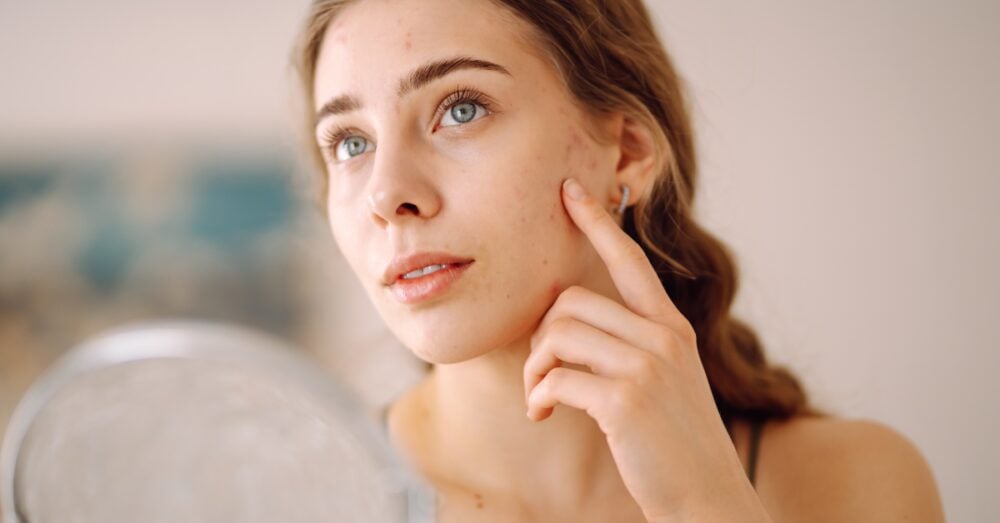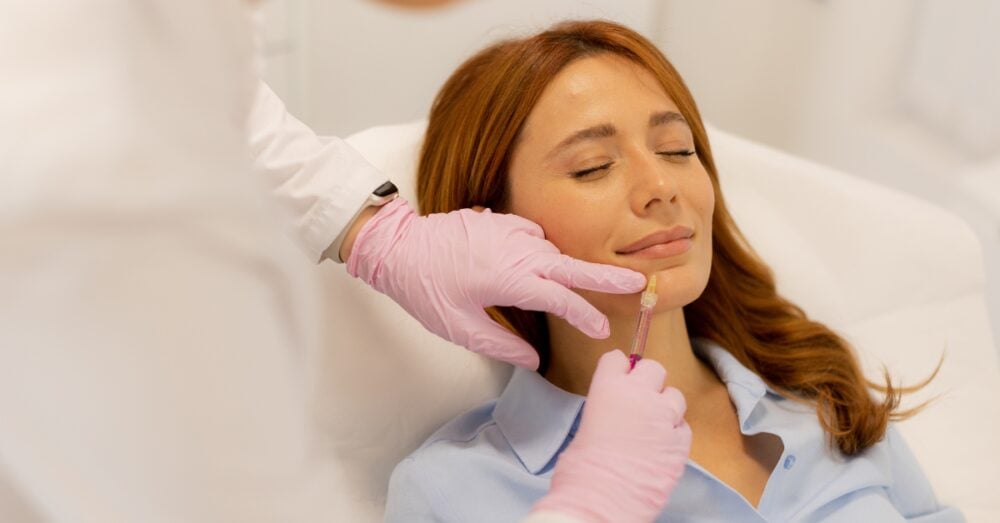

If you’ve been dealing with sun damage, uneven skin tone, or stubborn dark spots, you’ve probably come across IPL photofacials as a possible solution. It’s one of the more popular non-invasive treatments out there, and for good reason. But like any cosmetic treatment, it’s not perfect for everyone. Understanding the real pros and cons of IPL photofacials before booking helps you make a smarter decision for your skin.
Key Takeaways
- IPL photofacials use broad-spectrum light to target multiple skin concerns at once, including sun damage, age spots, and broken blood vessels
- Results typically build over multiple sessions, with minimal downtime after each treatment
- IPL works best on lighter to medium skin tones; those with darker skin tones should consult a licensed provider before proceeding
What Is an IPL Photofacial?
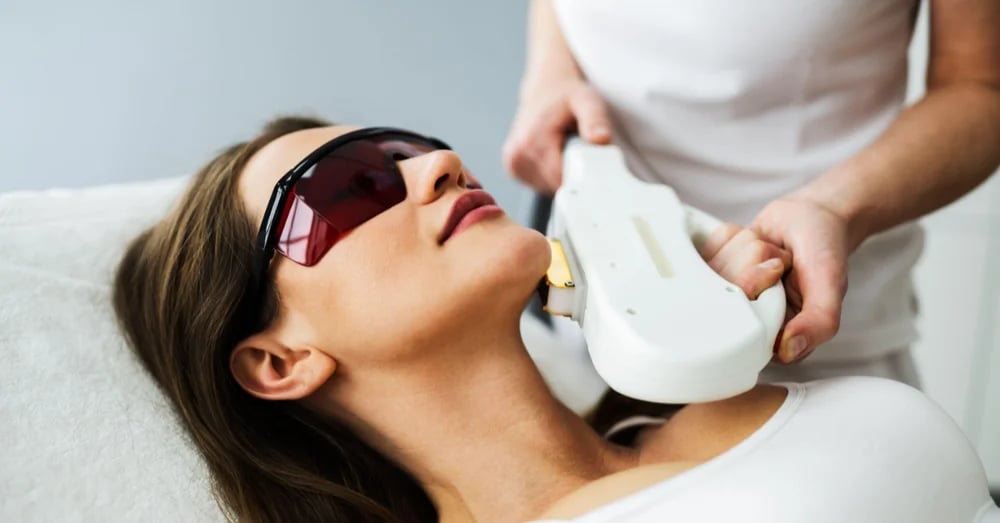
Intense pulsed light (IPL) is a form of light therapy that sends multiple wavelengths of light into the skin’s surface to target unwanted cells, pigment, and visible blood vessels. Unlike lasers, which use a single focused wavelength, IPL delivers broad-spectrum light that can address a wider range of skin concerns in one go.
It’s often used for skin rejuvenation, meaning it helps even out tone, reduce redness, and improve overall skin texture without surgery or significant recovery time.
How IPL Differs from Laser Skin Resurfacing
People often confuse IPL with laser resurfacing or laser therapy, but they’re not the same. Ablative lasers physically remove layers of skin, which means more dramatic results but also more downtime. IPL treats beneath the skin’s surface without damaging the outer layer, making it gentler and more suited for regular maintenance treatments.
That said, for deeper concerns like acne scars or significant texture changes, laser treatment may deliver more targeted results. IPL and laser therapy serve different needs, and knowing which one fits your skin condition is key.
The 3 Pros of IPL Photofacials
Here are some of the advantages of IPL photofacials:
Pro 1: It Targets Multiple Skin Concerns at Once
One of the standout benefits of IPL is its versatility. A single treatment session can address sun damage, age spots, freckles, redness, broken capillaries, and even unwanted hair all at once. That’s a significant advantage over treatments designed for just one specific issue.
For clients dealing with both discoloration and spider veins, or both dark spots and uneven skin tone, this multi-tasking ability makes IPL photofacial treatments especially cost-effective and time-efficient.
Pro 2: Minimal Downtime With Noticeable Improvements
IPL recovery is generally straightforward. Most people experience slight redness or mild swelling in the treatment area that fades within a few hours. You can typically return to your normal routine the same day.
Over just a few sessions, clients start seeing noticeable improvements: smoother texture, more even skin tone, and a reduction in sun damage. The results are gradual, which actually works in your favor since the skin improves naturally without looking “done.”
Pro 3: It Stimulates Long-Term Collagen Production
Beyond the visible corrections, IPL therapy also works at a deeper level by stimulating collagen production. Collagen is what keeps skin firm and youthful, and it naturally decreases with age and sun exposure.
By triggering the skin’s own repair response, IPL helps with fine lines and overall skin quality over time, not just the immediate session. This makes it a good long-term investment in your skin care, not just a quick fix.
The 3 Cons of IPL Photofacials
Here are some of the potential disadvantages of this facial:
Con 1: It Is Not Ideal for Darker Skin Tones
This is the most important limitation to know. IPL uses light energy that targets pigment, which means it can have difficulty distinguishing between unwanted pigment and natural melanin in darker skin. For those with dark skin or very deep complexions, IPL photofacials carry a higher risk of burns, discoloration, or uneven results. Medium skin tones may be candidates depending on their specific skin type, but this should always be assessed by a provider.
Con 2: Multiple Sessions Are Required for Optimal Results
IPL isn’t a one-and-done treatment. Achieving optimal results typically requires multiple sessions spaced several weeks apart. The exact number depends on your skin concerns, but most clients need somewhere between three to six treatment sessions to see the full benefit.
This also means ongoing maintenance treatments to sustain results, especially if you have continued sun exposure or active skin concerns. For some, that’s a manageable part of their skin care routine. For others, the commitment is a drawback worth weighing.
Con 3: Certain Skin Conditions and Habits Can Disqualify You
Not everyone is a candidate. Active skin infections, use of tanning beds, recent heavy sun exposure, and certain medications that increase light sensitivity can all rule out IPL treatment, at least temporarily.
Sensitive skin types may also experience more discomfort or mild pain during sessions. And while IPL is gentler than ablative lasers, it’s still an intense light-based procedure that requires your skin to be in a stable, healthy state before treatment.
What to Expect During and After IPL Treatment in Phoenix
Here’s a quick breakdown of what a typical IPL photofacial looks like:
- Before: Avoid sun exposure and tanning beds for at least two weeks prior
- During: Expect a warm snapping sensation as the light pulses over the treatment area, and most clients tolerate it well
- Right after: Slight redness and mild swelling are normal and usually clear within a few hours
- Days following: Pigmented spots may temporarily darken before flaking away. This is the skin clearing unwanted cells
- Long term: Collagen production continues to improve skin texture over the following weeks
Is IPL Better Than Laser Treatment for Your Skin?
The honest answer is: it depends. IPL photofacials are well-suited for broader skin improvements, such as evening out tone, reducing sun damage and age spots, and addressing broken blood vessels across a wider area. Laser resurfacing tends to be more precise and powerful for targeted concerns like deeper acne scars or significant texture issues.
For most people dealing with everyday skin concerns like freckles, redness, and early signs of aging, IPL therapy delivers excellent results with a gentler recovery. If your concerns are more complex, your provider may recommend combining both approaches over time.
Frequently Asked Questions About IPL Photofacials in Phoenix
Can IPL photofacials help with redness from rosacea and broken capillaries at the same time?
Yes. IPL is actually one of the better options for this combination. The broad-spectrum light targets hemoglobin in visible blood vessels and broken capillaries simultaneously, which is why it’s commonly recommended for rosacea-prone skin. Results vary by severity, and multiple sessions are usually needed for lasting improvement.
How long after IPL treatment can I wear makeup or go back to work in Phoenix’s sun?
Most clients can wear makeup and return to work within 24 hours of an IPL session. However, given Phoenix’s intense sun, it’s especially important to apply broad-spectrum SPF immediately after treatment and avoid direct sun exposure for at least a week. Your skin will be more sensitive to UV light post-treatment.
Does IPL photofacial treatment hurt more in certain areas of the face?
Yes, some areas tend to be more sensitive than others. The nose, upper lip, and areas over bony prominences tend to produce more discomfort during treatment. Most clients describe it as a snapping or stinging sensation rather than true pain, and most providers offer a cooling gel or device to minimize discomfort.
Will IPL treatments remove unwanted hair and treat dark spots at the same appointment?
Technically, IPL can address both since it targets pigment in both hair follicles and skin discoloration. However, the settings used for hair removal and skin rejuvenation differ, so your provider will determine the best approach based on what you’re prioritizing. Combining goals in one session may extend treatment time but is possible.
How many IPL sessions are needed before seeing results on sun-damaged skin?
Most clients begin noticing visible improvements after two to three sessions, with more significant changes appearing after the full course of four to six treatments. Sun damage that’s been accumulating for years takes time to address properly, and results continue improving for several weeks after each session as collagen production increases.
Book Your IPL Photofacial in Phoenix
At Ageless Health Institute in Phoenix, AZ, our experienced providers take a personalized approach to every skin care consultation. Whether you’re exploring IPL photofacials for sun damage, uneven tone, or general skin rejuvenation, we’ll help you understand what’s realistic for your specific skin type before committing to a plan.
Call us at +1 602-680-7703 to schedule your consultation. Real results start with the right assessment.