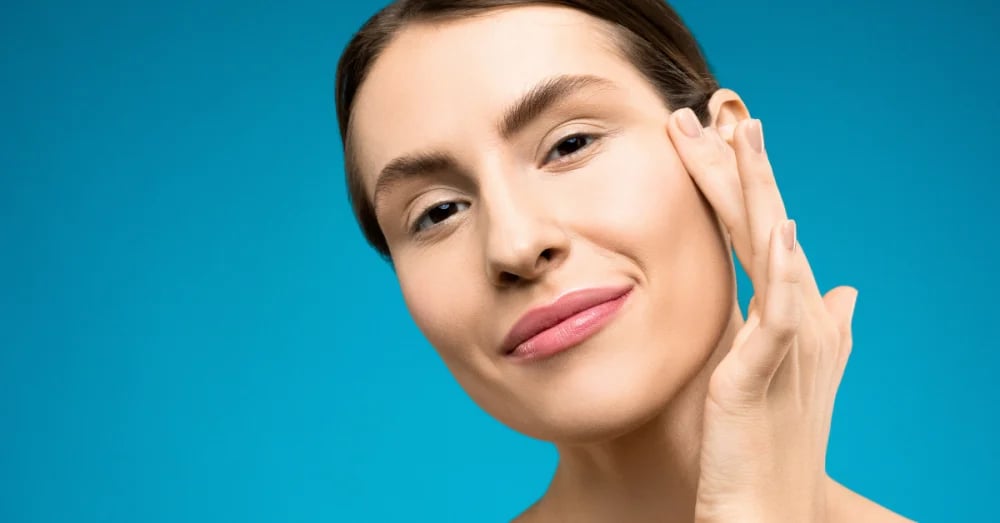
If you’ve caught your reflection lately and thought you look more tired than you feel, your cheeks may be the reason. Cheeks act as the scaffolding of the face, and when they lose fullness, everything below them starts to look heavier, flatter, and older.
There are plenty of reasons to get cheek dermal fillers, but three stand out. They restore lost volume, they bring balance back to your facial contours, and they do it with natural-looking results and minimal downtime. For anyone exploring dermal fillers in Phoenix, the cheeks are often the most rewarding place to start.
Key Takeaways
- Cheek filler replaces volume lost to aging, sun exposure, and genetics, giving the mid-face a lifted look without a surgical procedure.
- Strategic filler placement in the cheeks can improve facial balance and soften lower-face lines like nasolabial folds.
- Hyaluronic acid fillers give immediate, adjustable results with little recovery time, lasting up to two years depending on the product.
At Ageless Health Institute, our licensed injectors treat the cheeks as the foundation of the face, not an add-on. Every plan starts with a careful look at how your face moves, how it has changed over time, and how it catches light. Our clients come to us for dermal fillers in Phoenix because they want to look like themselves, just more rested. That goal shapes every product we choose and every decision about where it goes.
Why Do Cheeks Lose Volume in the First Place?
Your cheeks are supported by fat pads, bone, and collagen-rich skin. With age, all three change. Fat pads shrink and slide downward, bone gradually recedes, and collagen production slows year after year.
The result is volume loss in the mid-face. Cheeks flatten, the under-eye area starts to look hollow, and skin that once sat high on the cheekbone begins to fold near the mouth.
Living in the Valley adds another layer. Phoenix gets intense sun most of the year, and UV exposure is one of the biggest drivers of collagen breakdown. We often see cheek volume loss show up earlier in clients who spend a lot of time outdoors, so good sun habits and cheek support tend to go hand in hand here.
Reason 1: Restore Lost Volume and Lift
The first and most obvious reason is that cheek filler puts back what time has taken. Hyaluronic acid is a naturally occurring substance that holds water and keeps tissue plump. HA fillers use a gel-like form of this substance naturally found in the body to rebuild cheek volume right where it has faded.
Because the filler is placed along the cheekbone and at deeper support points, it does more than fill. It lifts. When the cheek is supported again, the skin above and below it sits higher, which can make mild sagging skin in the lower face look softer.
This is cheek augmentation without plastic surgery. There are no incisions, no general anesthesia, and no long recovery period. That’s why so many people who want a youthful appearance choose injectable treatments as their first step.
Can Cheek Filler Soften Smile Lines Too?
Often, yes. Smile lines and marionette lines are partly caused by lost support higher up in the face. When the cheeks deflate, skin drops and creases around the mouth.
By restoring volume at the source, cheek filler injections can reduce how deep those nasolabial folds look. Sometimes the change is enough that less filler is needed lower in the face. It won’t erase every line, but it often makes the biggest visible difference with the least product.
Reason 2: Enhance Facial Contours and Balance
The second reason is shape. The cheeks play a huge role in how balanced a face looks. High, well-defined cheeks create the soft curve most of us read as youth and health.
Cheek filler can enhance facial contours in subtle ways. It can add definition to flat cheekbones, correct mild differences between the two sides, or bring the mid face into better harmony with your chin and jawline.
This isn’t only for people noticing signs of aging. Some clients in their twenties and thirties simply want more cheek definition than their facial anatomy naturally gave them, and a small amount of filler can make that happen.
Our Expert Take on Facial Proportions
Here’s something we see often in our treatment room. Clients come in asking about smile lines or a tired look, but when we study their facial proportions as a whole, the real issue is flat cheeks pulling everything downward.
Our injectors tend to work from the top of the face down. Supporting the cheeks first usually creates a more natural appearance than chasing individual lines. Think of it like fixing a sagging tent by adjusting the poles instead of smoothing every wrinkle in the fabric. The face looks refreshed, and nobody can quite tell why.
Reason 3: Natural-Looking Results With Minimal Downtime
The third reason is how easily cheek filler fits into real life. Results are visible right away, and most people head back to work or errands the same day.
Modern FDA-approved dermal fillers made for the cheeks are designed to move with your expressions, so you still look like you when you laugh or talk. Most come in pre-filled syringes with a built-in numbing agent, which keeps the experience comfortable.
Hyaluronic acid fillers are also adjustable. If you ever want a change, HA can be dissolved. That flexibility is a big part of why they’re among the most requested cosmetic procedures today. Depending on the product and how your body breaks it down, results can last up to two years.
What Happens During a Cheek Filler Procedure?
Your visit begins with a conversation about your goals and a review of your medical history. Your provider will assess your bone structure, skin, and how much cheek filler makes sense for you. Many people need one to two syringes, though deeper volume loss may call for more.
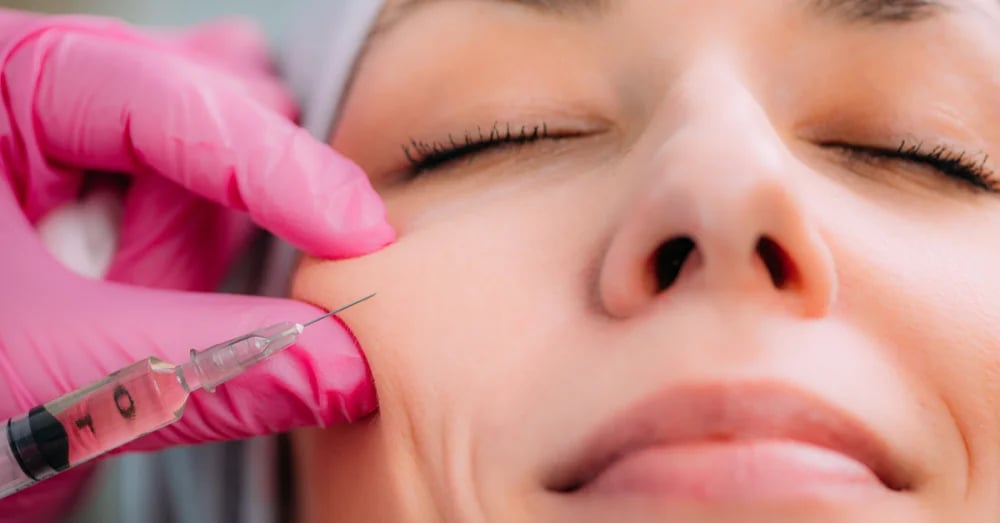
After cleansing the skin, your injector places small amounts of filler at specific depths using a fine needle or cannula. The filler procedure itself usually takes about 30 minutes, and you’ll see the difference in the mirror before you leave.
Aftercare is simple. Keep your hands off the injection site, skip strenuous exercise for 24 to 48 hours, and limit alcohol for a day. Mild swelling or bruising is common and usually fades within a few days.
Is Cheek Filler Safe?
When performed by a trained, licensed injector, cheek filler has a strong safety record. The products used for cheek augmentation are FDA-approved for this area, and the U.S. Food and Drug Administration shares a helpful overview of what to know about dermal fillers.
Be open with your provider about blood-thinning medications, supplements, bleeding disorders, and any past facial fillers. This information helps your injector plan a safer, more predictable treatment.
Frequently Asked Questions About Cheek Fillers in Phoenix
Will cheek filler make my face look puffy or overfilled?
Not when it’s placed with restraint. The overfilled “pillow face” look usually comes from too much product in the wrong spots, often the center of the cheek instead of along the bone. A skilled injector focuses on structure and lift, building gradually so results stay soft. Starting conservatively and adding more at a follow-up visit, if needed, is the easiest way to keep your face looking natural and proportional.
What is the best age to start cheek filler?
There’s no single right age. Many people begin noticing cheek volume loss in their mid-thirties to forties, when fat pads start to thin and shift downward. Others choose cheek filler in their twenties purely for added definition. A better question is whether your cheeks look flatter or lower than they used to, or than you’d like. A consultation can help you decide whether now is the right time.
Can cheek filler lift sagging jowls?
Cheek filler can create an indirect lift. By supporting the mid-face, it gently raises the skin and can soften the look of early jowling and lower-face heaviness. However, it can’t replace a surgical facelift for significant sagging skin. For mild to moderate laxity, cheek support combined with targeted filler along the jawline often gives a noticeably fresher, more defined profile without surgery.
When can I sleep on my side after cheek filler?
Most injectors suggest sleeping on your back for the first two to three nights after cheek filler. This keeps pressure off the treated area while the gel settles into place. After that, side sleeping is generally fine. It also helps to avoid facials, firm facial massage, and anything pressing on your cheeks for about a week. Your provider will give you personal aftercare instructions before you leave.
Will my cheek filler look natural when I smile?
It should. Today’s cheek fillers are designed to flex with facial movement, so your smile stays expressive rather than stiff. Natural results depend on choosing a product suited to the area and placing it at the right depth. Your injector will often ask you to smile and talk during your appointment to check how the filler moves. That attention to expression is what keeps your results looking like you.
Book Cheek Dermal Fillers in Phoenix at Ageless Health Institute
For the cheeks, we offer Juvéderm® Voluma XC, which restores age-related volume in the cheeks and mid-face, and Restylane® Contour, which sculpts and defines the cheekbones while moving naturally with your expressions. For clients who want added collagen support, your provider may also discuss Radiesse®, a CaHA filler. The right choice always comes down to your anatomy, which is why we decide together during your consultation.
When you choose cheek dermal fillers at Ageless Health Institute, you’re choosing more than a treatment. You’re choosing a calm, luxurious space, an unhurried personalized consultation, and a customized treatment plan built around your face and your goals. Our injectors combine medical precision with an artist’s eye, and we measure success by one thing: results that look refreshed, balanced, and unmistakably you.
Your cheeks set the tone for your whole face. Let’s bring back the lift and youthful contour you’ve been missing. Visit us at 20616 N Cave Creek Rd #110, Phoenix, AZ 85024, or call +1 602-680-7703 to schedule your consultation today.