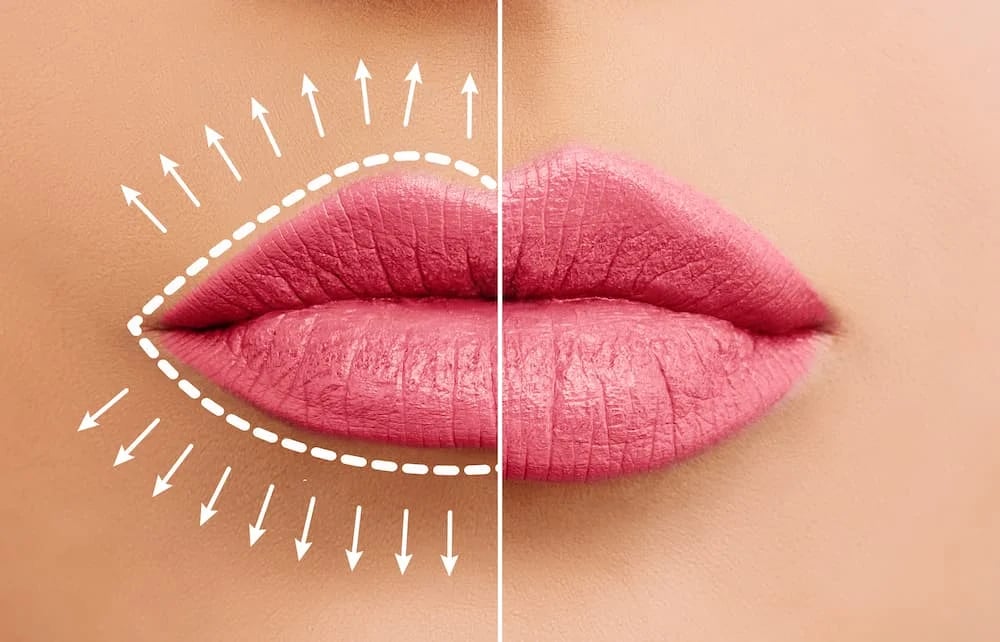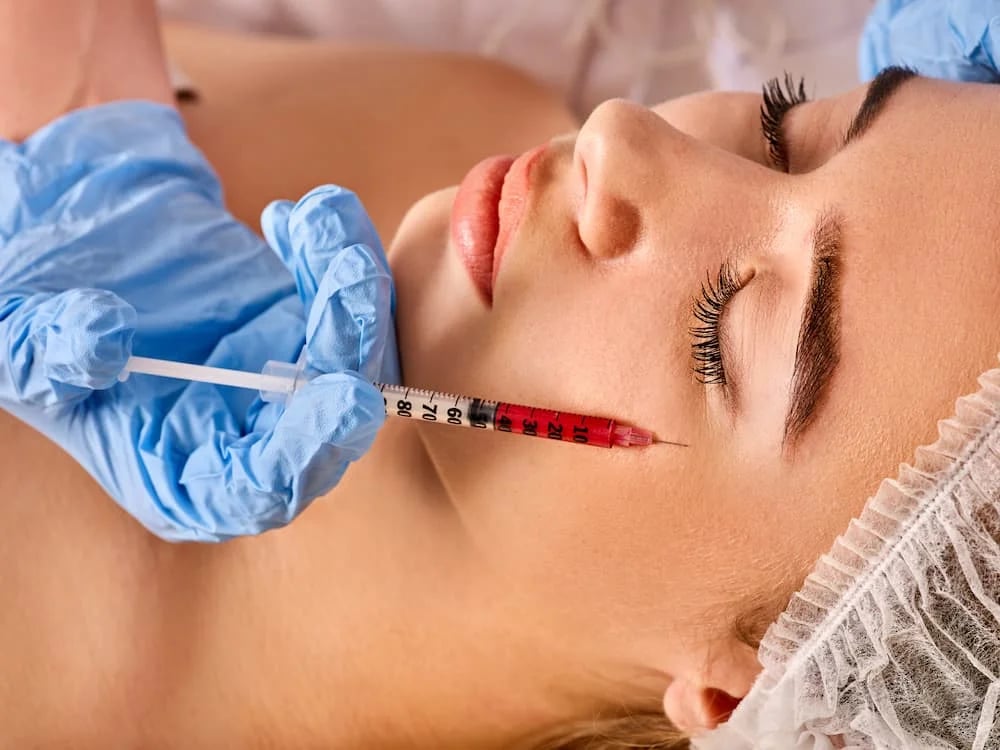

The swelling shows up before you even leave the clinic. You look in the mirror and think, “This isn’t what I paid for.” But the person next to you, getting the same treatment, reassures you: “Wait a few days.” And they’re right. What your face looks like on day one after fillers is not what it will look like on day seven. This guide walks you through exactly what to expect, day by day, why certain things happen, and what you actually need to do-and avoid-to get the best possible result.

What Fillers Actually Do-and Why Recovery Looks the Way It Does
Dermal fillers work by injecting a gel-like substance (usually hyaluronic acid, calcium hydroxylapatite, or poly-lactic acid, depending on the product) directly into the skin or deeper tissues. The material immediately adds volume where it’s placed. Your body then responds to that injection with inflammation-swelling, redness, and sometimes bruising-which is the normal healing response. That inflammation is not a problem. It’s part of the process. Understanding that helps you stop panicking when you see yourself in the mirror.
Different filler products behave slightly differently, different areas of the face swell to different degrees, and individual healing varies. But the arc is predictable, and knowing what that arc looks like lets you plan your life around it rather than getting blindsided.
Day One: Immediately After Your Appointment
You will likely look noticeably swollen. The areas injected will be puffy, and that puffiness is often more pronounced than the final result will be. You might also see slight redness at injection sites and mild tenderness to touch.
Here’s what’s happening: the injection itself causes immediate swelling as the body responds to the needle trauma and the volume that’s been added. This is not the filler “settling in.” It’s the inflammation response, and it’s temporary.
Do this: Apply cool compresses for 15 minutes at a time (cool, not ice directly on skin-wrap it in a thin cloth). Stay hydrated. Take ibuprofen if you’re not allergic and your provider didn’t advise against it; it can help reduce inflammation. Avoid makeup on the injected areas if you can, to reduce pressure and allow the skin to breathe.
Avoid this: Don’t massage the area, even though it might feel good. Don’t schedule other facial treatments. Don’t intentionally apply heat-no saunas, steam rooms, or very hot showers. Avoid alcohol and strenuous exercise, which increase blood flow and can worsen swelling.
Day Two to Three: Peak Swelling
This is when many people panic. The swelling often gets worse before it gets better. Lips can look cartoonishly swollen. Cheeks can look puffy. Under-eye areas can look temporarily aging from the swelling itself. The redness may be more visible. Bruising, if it’s going to happen, often shows up by day two or three.
What you’re seeing is still the inflammation response. The filler has been injected, your body is reacting to it, and that reaction peaks around day two or three for most people.
Do this: Continue cool compresses. Sleep elevated on extra pillows, which helps fluid drain and reduces facial swelling overnight. Stay hydrated. Gentle facial cleansing is fine; use lukewarm water and a soft cleanser. Apply sunscreen, even indoors (especially if there’s bruising, which is more sun-sensitive). If bruising is significant, concealer and makeup are now acceptable to help you feel better about appearance while it heals.
Avoid this: Don’t try to “fix” the swelling by applying heat. Don’t assume the filler is too much-you’re not seeing the final result yet. Don’t schedule meetings or events where looking perfect matters during this window. Don’t use harsh products or exfoliants. Avoid blood thinners like aspirin (if you’re taking it preventatively; discuss with your doctor before your appointment).
Day Four to Seven: Swelling Begins to Improve, Results Become Clearer
By day four or five, most people notice visible improvement. The swelling is noticeably less dramatic. The contours of your face start to become clear again. Bruising, if present, is fading (moving into the greenish-yellow range, which actually looks worse than the purple but is a sign it’s healing). The redness at injection sites is diminishing.
During this phase, the filler is settling into place and your body’s acute inflammatory response is cooling down. You’re starting to see what you actually paid for underneath the swelling.
Do this: You can now resume most normal activities. Light exercise is usually fine by day five or six for most people; check with your provider for their specific guidance based on what areas were treated and what type of filler. Makeup is fine (it was always fine, but your face is now less puffy and makeup will look more natural). Continue sunscreen. You can return to your regular skincare routine, though stay away from harsh actives like retinoids or strong acids for at least a week.
Avoid this: Intense exercise is still generally a bad idea if you have noticeable bruising. Don’t pick at or scratch any scabs if they formed. Avoid anything that’ll increase blood flow to the face unnecessarily-very hot showers, saunas, spicy food, alcohol. Don’t do any other facial treatments yet.
Day Eight to Fourteen: True Results Emerge
By the second week, most swelling has resolved, and you’re seeing the genuine result. Bruising, if there was any, is nearly gone or easily concealable. The filler has integrated into the tissue and settled into its final position. This is what your result actually is.
Hyaluronic acid filler, the most common type, hydrates over the first two weeks and can actually look slightly better at the two-week mark than it does at day fourteen. Calcium-based fillers and poly-lactic acid fillers may take longer to show their full effect (calcium fillers can continue to improve for up to a month; poly-lactic acid fillers stimulate collagen and may not show their full effect for several weeks).
Do this: You can now resume your normal life without restrictions. Exercise at full intensity is fine. All your regular skincare products are fine. Makeup, facials, and other treatments are generally okay now. Some people choose to do a hydrating facial or light facial around the two-week mark to help the skin look its best.
Avoid this: Very little at this point. The main risk now is not mechanical-it’s just time. Filler breaks down gradually, and that timeline depends on the product and your metabolism.
After Two Weeks: The Maintenance Phase Begins
Your result is now stable. What you see is what you have. For most people, this is when they assess whether they’re happy with the amount of filler, whether they want a touch-up in a particular area, or whether they want to proceed with a maintenance plan.
Depending on the type of filler used and your individual metabolism, it typically lasts anywhere from six months (shorter for thinner, water-based fillers like traditional hyaluronic acid in the lips) to two years (for newer cross-linked hyaluronic acid fillers or calcium-based fillers). Your provider can tell you what to expect from the specific product and area.
Common Aftercare Questions
Bruising: Why Some People Get It and What to Do About It
Bruising happens when a small blood vessel is nicked during injection. It’s not a sign something went wrong; it’s just a normal part of being injected. Some people bruise easily (medications like blood thinners increase risk, as does having naturally fragile blood vessels). Others barely bruise at all.
If you bruise, it will progress through a color sequence: red or purple → blue → green → yellow → gone. The green stage looks worse than the purple stage, but it means you’re healing. Makeup is fine. Vitamin K creams and serums are sometimes recommended by providers and may help slightly, though evidence is mixed. Sun protection is important because bruised skin is more sun-sensitive.
Tenderness and Mild Pain
Minor tenderness is normal for a few days. If you have sharp pain, increasing pain after day three, or pain that doesn’t respond to ibuprofen, contact your provider. Most tenderness responds to ibuprofen and resolves by day five or six.
Lumps or Bumps
Sometimes, particularly with lip fillers, small lumps can form. Many resolve on their own within the first two weeks as swelling diminishes. If a lump persists beyond two weeks, contact your provider. They can often massage it out or use a hyaluronidase injection to dissolve filler in that spot if needed.
Asymmetry
During the swelling phase, one side may swell more than the other, making the result look asymmetrical. This almost always improves as swelling resolves. If asymmetry persists at the two-week mark, schedule a follow-up with your provider.
Protecting Your Investment Long-Term
Once your fillers have settled, maintaining them is mostly about basic skincare and sun protection. Fillers break down over time due to your body’s natural metabolism, and there’s not much you can do to prevent that. But you can slow it down:
Sunscreen daily. UV exposure can degrade hyaluronic acid fillers faster. Broad-spectrum SPF is essential, especially in Phoenix.
A consistent skincare routine. Well-hydrated, healthy skin shows filler results better than dry, damaged skin. This means cleanser, moisturizer, and gentle actives appropriate for your skin type.
Avoid smoking. Smoking accelerates filler breakdown and can reduce how long results last.
Avoid extreme heat. While one hot shower won’t dissolve your fillers, chronic heat exposure (regular saunas, living in very hot climates without sun protection) can contribute to faster breakdown.
Stay hydrated. Hyaluronic acid binds water, so staying hydrated helps fillers look their best.
Maintenance appointments depend on the product and your metabolism. For most people, this means a touch-up every 9 to 12 months, though some products last longer and individual variation is significant.
When to Call Your Provider
Most filler recovery is uneventful, but contact your provider if you experience:
- Severe pain or pain that worsens after day three
- Signs of infection (spreading warmth, pus, fever)
- Significant swelling that doesn’t improve by day seven
- Asymmetry or obvious lumps that persist beyond two weeks
- Vision changes or any sign of vascular compromise (rare but serious)
- Allergic reaction symptoms (widespread rash, difficulty breathing)
These issues are uncommon, particularly when treatment is done by an experienced provider, but they’re worth knowing about.
Your First Week Timeline: What to Expect
| Day | What You’ll See | What You Should Do |
|---|---|---|
| Day 1 | Noticeable swelling, mild redness | Cool compresses, hydrate, avoid makeup if possible |
| Days 2-3 | Peak swelling (often looks worse), possible bruising starts | Continue cool compresses, sleep elevated, hydrate |
| Days 4-7 | Swelling improving noticeably, bruising fading | Light activity okay, makeup fine, sunscreen essential |
| Day 8-14 | Swelling nearly gone, true result visible | Normal activities and skincare resumed |
| Week 3+ | Stable result, final assessment phase | Assess satisfaction, plan maintenance |
At Ageless Health Institute in Phoenix, the product and the injection depth are chosen for the area being treated, because lips, cheeks and the under-eye hollow each recover differently. You can read more about our dermal filler options, see the full range of injectable treatments, or book a consultation to talk through what recovery will look like for you.
Frequently Asked Questions
How long does swelling last after fillers?
Most visible swelling resolves within three to five days, with significant improvement by day seven. However, residual mild swelling can linger for up to two weeks, particularly in areas like the lips or under-eye region. Individual variation is significant.
Can I fly after getting fillers?
Yes, but timing matters. The pressure changes during flight won’t dissolve your fillers, but flying in the first 24 hours, when swelling is peak, can make you more uncomfortable. Flying after day two or three is generally fine. Stay hydrated during the flight.
Will filler migrate or move around my face?
Modern fillers, especially hyaluronic acid injected at the appropriate depth, do not migrate significantly. The filler stays roughly where it was placed. Older-generation fillers had more migration, but current products and injection techniques have largely resolved this.
What’s the difference between swelling and the filler being too much?
Swelling makes your face look puffier and more swollen; the contours are obscured. Too much filler shows as unnatural contours even after swelling resolves. You can’t tell the difference on day one. Wait until day 7 to 10 before deciding whether you have too much filler. Most people who panic on day two are perfectly happy by day ten.
Can I get other treatments while I have swelling from fillers?
No. Wait until the swelling has resolved and you’ve had a follow-up with your provider before scheduling other treatments. Stacking treatments close together increases inflammation and increases risk.
How often do I need fillers?
Most people need touch-ups every 9 to 12 months, but this varies widely depending on the product, the area treated, and your individual metabolism. Some people only need a touch-up every 18 months; others need to refresh every 6 months.
Can I combine fillers with Botox?
Yes. In fact, many patients benefit from both. Botox prevents new wrinkles from forming; fillers add volume. They work through different mechanisms and can be combined. Wait until your filler swelling has resolved before getting Botox, and vice versa.
Is dermal filler aftercare different for different areas of the face?
Slightly. Lips tend to swell more than cheeks. Under-eye areas are more delicate and can bruise more easily. Chin and jawline areas typically swell less. But the basic aftercare principles-cool compresses, hydration, sun protection, avoiding heat and exercise-apply to all areas.
Can I use my regular skincare products after fillers?
Gentle cleanser and moisturizer are fine immediately. Avoid strong actives like retinoids, vitamin C serums, and acids for at least one week. After that, resume gradually and see how your skin responds. If your skin is sensitive, wait longer.