Few moments in a weight loss journey are as satisfying as the day the old jeans fall off. Few are as confusing as the day after, when the mirror shows a smaller person with a softer, looser outline than expected. A belly that hangs in a fold, upper arms that sway, a thigh with a ripple of skin above the knee and a face that has taken on a tired look all appear on people who have done exactly what they set out to do.
At that point, the natural next thought is body contouring. The question is rarely whether treatments exist but when to have them, which one fits which problem and whether a procedure now will be undone by the weight that is still changing. This guide explains how fat, skin and muscle behave during weight loss, what the main non-surgical options can and cannot do, why timing is the most overlooked decision and how treatments can be sequenced around a changing scale. It is general education and not a promise of results, and the plan for any person belongs with a clinician who has examined the body.
Three tissues, three different stories
When people say they want to tighten up, they are usually talking about three separate tissues, and each responds to weight loss differently.
Fat sits in the layer under the skin and around the organs. It shrinks when the body burns more than it stores, although not evenly. The body tends to give up fat from some areas before others, which is why a person can lose a great deal of weight and still carry a stubborn pocket on the lower abdomen or flank.
Skin is a stretchable envelope that returns toward its original size when the stretch is removed, but only to a point. How well it recoils depends on its collagen and elastin content, the amount of stretching it has endured, how long it was stretched, age, genetics and sun exposure. After a large or quick loss, some skin may stay slack.
Muscle sits beneath fat and gives the body its shape. During weight loss, some muscle is lost along with fat unless protein intake and resistance training counter it. Less muscle can mean a softer, less defined look at a given weight.
A person who treats all three as one problem tends to choose the wrong tool. A device that destroys fat cells will not shorten skin. A skin tightening treatment will not build muscle. Naming which tissue is the issue is the most useful first step.
Why the scale decides the schedule
Body contouring is a refinement, and refinements work best on a stable foundation. When weight is still falling, the shape of the body keeps changing under the treatment. A pocket of fat that is treated today may be partly gone by the time the result would have appeared, and skin that looks loose now may recoil further over the coming months.
For that reason, many clinicians advise waiting until weight has been stable for a period, often a few months, before committing to major contouring. The right interval depends on the person, the amount of weight lost and the speed of loss. The reasoning is simple. It is wiser to treat the body that will remain than the one that is passing through.
There are exceptions. A localized stubborn area that has not moved despite significant weight loss may be reasonable to treat while the rest of the body continues to change. A person who has plateaued on a medically supervised program may also find that a small, targeted treatment fits. The key is that the clinician and the patient discuss it explicitly.
What happens when the loss is fast
Speed matters. A slow, steady loss gives the skin more opportunity to retract, and gives the body more chance to retain muscle. A rapid loss, whether from a very restrictive diet, surgery or one of the newer medications, can leave more slack skin and more loss of lean tissue.
The medications that have become common in medical weight management have changed what many people see in the mirror. Fat comes off quickly, and the face and body can look different within months. The face follows the same logic of volume loss and skin quality, and tirzepatide face changes show how quickly it can appear.
None of this is a reason to avoid effective treatment for a medical problem. It is a reason to plan, because a person who knows that loose skin may follow can protect muscle, move gradually where possible and decide in advance how to address the aftermath.
Protecting muscle: the unglamorous foundation
A body contouring plan begins before any device is switched on. People who preserve lean mass during weight loss end up with a firmer shape than those who do not, and the tools are simple. Adequate protein spread through the day, resistance training two or three times a week, enough sleep and sensible progression in calories help the body hold onto muscle while it burns fat.
A supervised medical program should address these points, and the first weight loss consultation is a good moment to ask how muscle will be protected.
This matters for contouring because muscle is the scaffolding that skin drapes over. A person with more lean tissue tends to need less skin tightening than one who has lost both fat and muscle, and the result looks more athletic than deflated.
Where loose skin shows up first
Loose skin tends to appear in predictable places, and each has its own quirks.
The lower abdomen is the classic location. Skin that was stretched by weight or pregnancy may hang as an apron, and the fold can be sore in summer heat.
The upper arms develop a hanging fold along the back of the arm that sways with movement. This area is notoriously slow to tighten.
The inner thighs and the skin above the knees look crepey, and rubbing can cause irritation.
The chest and back show folds in some people, and the neck and jawline can soften. The area under the chin is often the first place the face shows change, and sorting fat, skin and muscle there is the reason double chin treatment differs from person to person.
Knowing which areas carry fat and which carry mostly skin helps a clinician match tools to problems.
The non-surgical toolkit, in plain terms
Several categories of non-surgical treatment are used after weight loss, and understanding what each does prevents disappointment.
Fat reduction
Devices that cool or heat fat to reduce the number of fat cells address pockets of fat that have not responded to diet and exercise. They are suited to localized, pinchable deposits and not to large amounts, and they do not tighten skin. After weight loss, they are best for the stubborn bit that remains, such as a flank roll or a lower belly pouch of modest size.
Injection based fat reduction
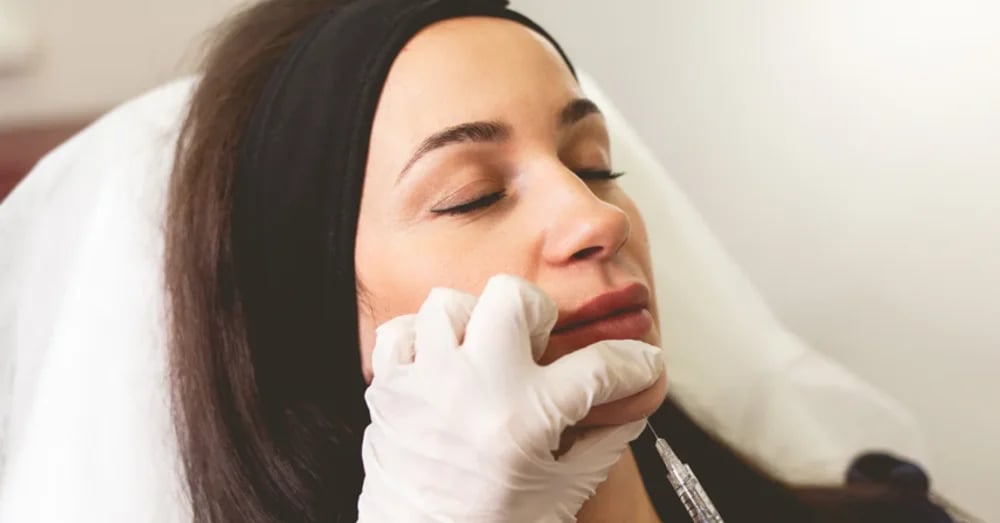
For small, well defined areas such as under the chin, injections that break down fat cells can be an option. The suitability depends on the thickness of the pad and the quality of the overlying skin, as with Kybella treatment of the submental area.
Radiofrequency and heat based skin tightening
Radiofrequency devices deliver heat to the deeper layers of skin, which can cause existing collagen to contract and may prompt new collagen over months. They suit mild to moderate laxity and are generally used in a series. The same controlled heat that drives radiofrequency skin resurfacing on the face applies on the body, with differences in depth and technique.
Collagen stimulating injectables and threads
Some injectables and thread treatments are used to improve skin quality and support, and the menu that makes non-surgical skin tightening possible on the face offers fewer options below the neck. Their role on the body is more limited and depends heavily on the area.
Muscle stimulating devices
Devices that cause deep muscle contractions can strengthen and thicken muscle in areas such as the abdomen and buttocks. They do not remove fat or skin, but they can improve tone beneath, which may change how the area looks.
Surgical options
When there is a large amount of loose skin, particularly an apron of abdominal skin or hanging arms, non-surgical treatment cannot remove the excess. Surgery such as a tummy tuck, arm lift or body lift removes skin and can be life changing for some people. An honest clinician will say when the problem exceeds what devices can do, and will refer to a surgeon.
Matching the tool to the problem
Putting the categories together gives a rough map.
A small pocket of stubborn fat under good skin points to fat reduction. Mild to moderate laxity with little excess fat points to heat based tightening. Both together suggest a combined plan, usually starting with fat reduction and following with tightening. A weak, soft contour with adequate skin may call for muscle conditioning. Large amounts of hanging skin point toward surgery, with non-surgical treatments reserved for fine tuning or for people who cannot or prefer not to have an operation.
The most reliable way to place a person on this map is an examination, with the clinician pinching, stretching and assessing recoil. Pictures online help little, because the same appearance can have different causes.
Order of operations: fat first, skin second, muscle alongside
When a plan includes more than one treatment, order matters.
Weight comes first. A stable weight lets the other decisions be made with confidence.
Strength training and protein come next, and they continue throughout.
Fat reduction usually comes before skin tightening, since the remaining contour determines how much tightening is needed. Treating skin that is still burdened with a heavy fat layer can waste effort.
Skin tightening follows, spaced as the clinician recommends, with attention to the healing time between sessions.
Muscle conditioning can run alongside, or after fat reduction, when the muscle is more visible.
Finally, surgery, if needed, is typically considered after weight has been stable for a long period and other measures are complete.
This is a typical sequence and not a rule. Plans are individual, and a clinician adjusts for medical history, goals and timing.
What a plateau is telling you
Weight loss does not proceed in a straight line. Plateaus occur, and they often cause frustration and impulsive decisions. Some plateaus reflect a body adapting to a lower intake and lower weight, with a slower metabolic rate, and some reflect habits that have crept back.
A plateau is not necessarily a signal to add a procedure. It is a signal to review the plan with the clinician. Understanding why weight returns after dieting helps a person decide whether contouring now will hold up or be undone.
The role of other medical treatments
Medical weight management often involves more than a prescription. Hormone balance, sleep, insulin resistance and nutrition all play roles, and a clinician who looks at the whole picture may address them. A medical weight loss program is where that broader evaluation happens, and contouring decisions are better made in coordination with it than separately.
Some people also ask whether peptides or other treatments change the contouring conversation. The evidence for various approaches is mixed, and asking whether peptide therapy works for weight loss is a reminder to look at what is proven before investing in something expensive or unproven.
The examination: a pinch, a pull and a recoil
A reliable assessment is hands on. The clinician pinches the tissue to judge how much of the thickness is fat, then gently pulls the skin away from the body and watches how quickly it snaps back. Quick recoil suggests good elasticity, while slow, doughy return suggests the skin has lost much of its spring. The clinician also asks the person to tense the muscles, because a firm underlying wall changes the look of the same fat layer.
These simple tests do more to guide the plan than any photograph. They explain why two people who have lost the same amount of weight can have very different options, and they give the patient a sense of the reasoning. A clinician who skips the examination and recommends a package based on a picture is guessing.
Postpartum bodies and the abdomen that weight loss alone will not fix
Many women reach contouring after pregnancy and weight loss together. The abdominal wall may have separated along the midline, a condition called diastasis recti, which leaves a bulge that no amount of fat reduction will flatten. Loose skin from stretching and a change in the position of the navel add to the picture.
A clinician can check for separation by asking the person to lift the head from a lying position and feeling for a gap. If it is present, targeted exercise guided by a physical therapist may help, and surgery repairs the separation in cases where it is wide. Fat reduction and tightening can still play a role, but they work on a different layer, and setting this expectation early avoids a disappointing discovery after treatment.
Men, the midsection and the stubborn flank
Men tend to store more fat deep in the abdomen and less just under the skin, which matters because treatments reach the superficial layer. A man with a firm, protruding belly often has more internal fat than a device can touch, and the plan relies on continued weight management. A man with soft, pinchable love handles after weight loss is a better fit for fat reduction.
Men also carry fat in the chest and upper back, and they may have excess skin on the lower abdomen after large losses. The same principles apply, with attention to what the tissue actually is. Many men are surprised to learn that a firmer abdomen owes as much to the muscle beneath as to the fat above it.
Small comforts that make recovery easier
The details of comfort rarely appear in marketing but matter in practice. Soft, breathable clothing reduces friction on treated areas. Cool compresses can soothe swelling after some treatments, while heat packs are usually avoided unless instructed. Staying hydrated supports healing and lymphatic movement. Gentle walking helps circulation and eases stiffness.
Compression garments are recommended after some procedures and not others, so the clinic’s instruction takes priority. Massage of treated areas is sometimes advised and sometimes avoided. Following the specific advice, not a general internet routine, prevents avoidable problems and gives the best chance of a smooth recovery.
A realistic look at results
Non-surgical contouring produces modest, gradual changes. A treated pocket of fat may become thinner over weeks to months. Tightening may make skin look smoother and slightly firmer. Neither will transform a body or replace the effect of surgery for significant excess skin.
People tend to be most satisfied when they come in with a clear, limited goal, such as a smaller flank roll or firmer skin above the knee, and when they understand that results are partial. People who expect to look like a different person are more often disappointed.
Photographs taken under the same lighting and angles before treatment and at intervals afterward help judge change objectively. Memory and mirrors are unreliable, particularly while the body is changing.
Recovery and downtime in practical terms
Most non-surgical treatments involve little downtime, although individual experiences vary. After heat based tightening, people commonly have redness, warmth and mild swelling that settle over hours to days. After fat reduction, tenderness, swelling, numbness and bruising can last days to weeks. After injections, localized swelling is common.
Practical advice includes avoiding intense exercise for a short time if instructed, staying hydrated, wearing comfortable clothing and following the clinic’s specific instructions. A person should call if there is severe pain, signs of infection, skin color changes or any blistering.
Arizona heat, sun and the contoured body
Living in Phoenix influences how people plan treatment. Summer clothing exposes the arms, legs and midsection, and many people want results before pool season. Heat can aggravate swelling and discomfort after treatment, tight garments in high temperatures can irritate, and sun exposure on treated skin raises the risk of pigmentation changes after heat based procedures.
Many people therefore schedule contouring in the cooler months, so healing coincides with comfortable weather and protective clothing. The reasoning applies across many treatments, which is why seasonal timing matters for aesthetic work. Daily sunscreen on treated areas, and shade during recovery, protect the result.
Maintaining the shape after treatment
A contoured body is not set in stone. Fat cells that remain can still enlarge, skin can loosen again with further weight change, and muscle needs continued training to stay. The best predictor of long term success is not the device but the habits afterward.
Stable weight, regular strength work, adequate protein, good sleep and sun protection maintain the result. A plan for periodic check ins with the clinic, particularly if weight begins to drift, catches problems early.
For people on long term medical weight management, the plan also includes what happens if medication is changed or stopped, because weight regain would affect the contour. That conversation belongs with the prescribing clinician.
Emotional side of a changing body
The psychological side of weight loss is rarely discussed. Some people feel pride and relief, and others feel disappointment when the body does not look as expected. Loose skin can be distressing, and a person may feel that the effort was not fully rewarded.
It helps to separate health from appearance. The metabolic benefits of weight loss, such as improved blood pressure, blood sugar and mobility, are real regardless of skin. At the same time, wanting the body to look as good as it now functions is a legitimate goal, and seeking help to refine the contour is a reasonable choice.
Clinicians who approach this with empathy and honesty, without judging the person for wanting treatment or for being disappointed, make the process easier.
Who should be cautious or wait
Several situations call for caution. People who are pregnant or breastfeeding generally postpone elective treatments. People with certain implanted devices, active infections or skin disease in the treated area, bleeding disorders or poorly controlled medical conditions need medical clearance. People still losing weight rapidly are usually advised to wait. And people with unrealistic expectations or significant distress about body image should have that explored, sometimes with a mental health professional, before cosmetic treatment.
A careful screening protects safety and the quality of the result.
Starting the conversation in Phoenix
For someone partway through a weight loss program who is wondering about contouring, a good first step is a consultation that looks at the whole plan. The clinician reviews weight history, rate of loss, medications, medical conditions and goals, examines the body and discusses the tissue involved. Together they decide whether to treat now, wait or combine approaches.
The most helpful posture is patience paired with planning. The body is still adjusting, the best treatments depend on what remains once it settles and the strongest results come from sequencing that respects both.
Body contouring and weight loss questions, answered
When is the best time for body contouring after weight loss?
Many clinicians advise waiting until weight has been stable for a few months, because the body keeps changing during active loss. A clinician sets the timing individually.
Can non-surgical treatment tighten loose skin on the body after weight loss?
Heat based treatments can improve mild to moderate laxity, but they cannot remove large amounts of excess skin. Significant excess usually needs surgery.
Will fat reduction treatments help if I am still losing weight?
They may help a stubborn pocket that has not responded, but results are easier to judge once weight is stable. The clinician decides whether to treat now or wait.
Does losing weight quickly cause more loose skin?
It can. Rapid loss gives skin less time to retract and can reduce muscle, so a slower pace and strength training often help.
How can I protect muscle during weight loss?
Adequate protein, resistance training, enough sleep and gradual calorie changes help the body keep muscle while losing fat.
Which areas are hardest to tighten?
The upper arms, the lower abdomen and the inner thighs are common problem areas, and results there tend to be gradual and partial.
Is body contouring a substitute for weight loss?
No. Contouring refines the shape of a body at or near a stable weight and is not designed to cause significant weight loss.
How many body contouring sessions does a plan usually involve?
It depends on the area, the tissue involved and the goal. The clinician sets a plan, and many approaches use a series of sessions.
Is there downtime after body contouring?
Most people return to normal activity quickly, with redness, swelling, tenderness or bruising that settles over days to weeks.
When is surgery the better choice?
When there is a large amount of hanging skin that devices cannot remove, surgery is usually more effective. A clinician can advise and refer to a surgeon.