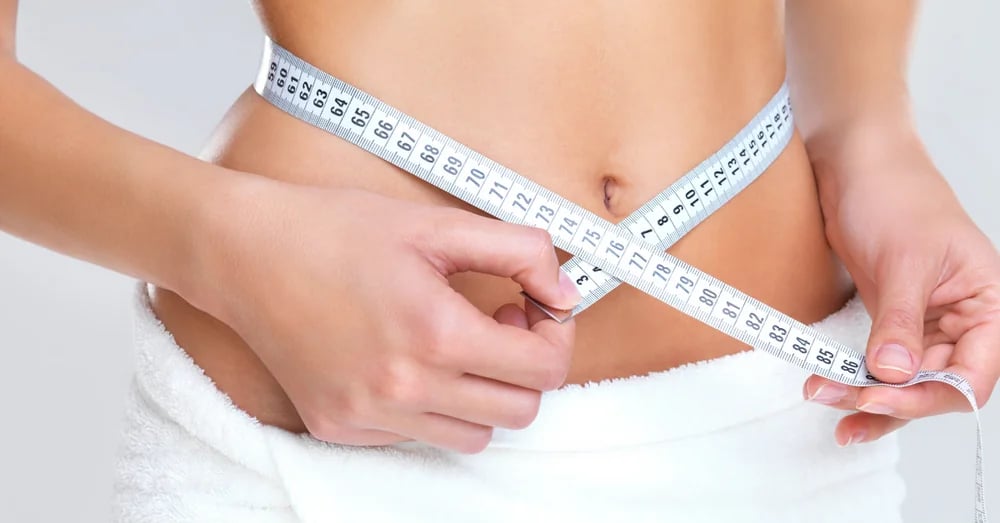
Take a 210-pound woman who loses forty pounds over eight months. If a quarter of that loss is lean tissue, she has lost ten pounds of something other than fat, and if two-fifths of it is lean tissue, she has lost sixteen. On the bathroom scale the two outcomes are indistinguishable, a smaller number and a smaller dress size. In a stairwell, a grocery aisle or a fall on an icy sidewalk they are very different bodies. The gap between ten and sixteen pounds of tissue that was doing a job is what this guide is about, and it is the part of medical weight management that gets the least attention for how much it matters.
The medications at the center of this conversation, the GLP-1 and dual-agonist drugs such as semaglutide and tirzepatide, work by quieting appetite and slowing the stomach. They are effective, and in a supervised program they are one tool among several. What they do not do is decide which kind of tissue the body gives up. That decision is made by how much protein arrives, how much the muscles are asked to do, how well a person sleeps, what the hormones are doing and how fast the loss happens. All of those can be steered, and steering them is the subject of this guide.
A kilogram is not a kilogram: what the scale cannot tell you
A bathroom scale reports a single number and treats every part of the body as interchangeable. Ten pounds of fat and ten pounds of muscle weigh the same on it, but they have wildly different consequences. Fat is stored energy, and a person carrying less of it, particularly around the abdomen and organs, generally has lower metabolic risk. Muscle is the engine that burns fuel, stabilizes joints, keeps blood sugar steady after meals and determines whether a sixty-eight-year-old can get out of a low chair in an emergency.
When weight drops quickly, three things leave together: fat, lean tissue and water. The proportion varies from person to person and from week to week. Early in a program, a surprising share of the drop is water and stored carbohydrate, which is why the first month can look dramatic. Later, the split between fat and lean tissue becomes the thing that matters, and it is the thing the scale cannot see. Two people who each lose forty pounds can end up in very different places, one with a leaner, stronger frame and one with a smaller version of the same weak one. The difference also shapes what happens years later, because weight regain tends to arrive as fat in people who lost muscle along the way.
What “lean mass” actually includes, and why the number sounds scarier than it is
Headlines about muscle loss on these drugs tend to quote the lean mass figure, and that phrase is looser than it sounds. Lean mass is everything that is not fat: skeletal muscle, yes, but also water, organs, connective tissue and bone mineral. When a body gets smaller, some of that lean tissue shrinks simply because there is less body to support. A person who loses sixty pounds needs fewer pounds of muscle to carry herself around, and part of the lean loss is the body right-sizing. Muscle also matters for blood sugar, since it is the largest place the body stores glucose after a meal, and adults with insulin resistance have the most to lose when it thins.
That is a reassurance with limits. The shrinkage that comes from carrying less weight is expected and harmless. The shrinkage that comes from poor protein intake, no resistance exercise and rapid loss is the portion that costs strength, and it is the portion that can be reduced. Distinguishing the two is not possible from a single number, which is why the better conversation is about function, such as grip, leg strength and how a person moves, in addition to what a scan reports.
What the large trials found when participants were scanned
The big weight loss trials of the last few years included imaging substudies in which a subset of participants had DEXA scans, an X-ray technique that separates fat, lean tissue and bone. The reported results vary by drug, dose and population, but a rough pattern emerged. In several of these substudies, lean mass accounted for somewhere between about a quarter and about two-fifths of the total weight lost. That range is similar to what is seen with diet-induced weight loss in general, where lean tissue commonly makes up a fifth to a third of the drop, so these drugs do not appear to be uniquely destructive, but they do produce so much total weight loss that the lean portion adds up in absolute terms.
Two cautions belong with those figures. First, they are averages across groups, and individuals sit on both sides of them. Second, most of these participants were advised on diet and activity, but not all were coached on protein or lifting, so the numbers describe what happens when muscle is not specifically protected. They are a floor for what attention can improve, not a ceiling on what a medically supervised program can accomplish. Research on combining these medications with structured resistance training and higher protein intake is still developing, and the early signals favor the combination.
Why an appetite drug and a muscle problem travel together
The mechanism is not mysterious. When appetite falls sharply, total food falls with it, and protein is usually the first thing to slip because it is the most filling, the most expensive and the most effort to prepare. A person who used to eat eggs, yogurt and chicken may now manage coffee, a few crackers and half a sandwich. Muscle protein is built from dietary protein every day, and when the supply drops below what the body needs, it takes what it needs from its own stores.
Energy deficit adds a second pressure. In a deep calorie shortfall the body becomes more willing to break down lean tissue for fuel, particularly when the signal to keep it, which is mechanical load from exercise, is missing. Loss of motivation and fatigue add a third, since someone who feels weak and tired from eating very little is less likely to exercise. And in older adults, a fourth factor operates in the background: muscle responds less vigorously to protein and training with age, a phenomenon researchers call anabolic resistance, so the same shortfall costs more at sixty than at thirty.
The good news inside this explanation is that every link in the chain is adjustable. Protein can be planned. Load can be prescribed. Rate of loss can be moderated. Sleep and hormones can be checked. None of this requires abandoning the medication. It requires treating the medication as an appetite tool and the rest of the plan as the thing that determines what is left behind.
Patients who work with a weight loss program that is built around supervision rather than prescription alone tend to hear this conversation early, because the same visits that adjust the medication are the visits where intake, symptoms and strength can be reviewed.
Four ways a clinic can look at what is being lost, and what each one misses
There is no perfect measuring tool, and an honest clinic will say so. The simplest approach pairs the scale with a tape measure at the waist, the hips and sometimes the thigh and upper arm. If the waist is shrinking faster than the thigh, that is a favorable pattern. If every measurement is falling in lockstep, muscle may be going along with fat. It is crude, but it costs nothing and shows direction.
Bioimpedance scales and handheld devices send a harmless electrical signal through the body and estimate composition from how it travels. They are convenient and good for tracking trends in the same person under the same conditions. They are also sensitive to hydration, recent meals, exercise and skin temperature, which matters in a desert city where a person can walk in from a hundred-degree parking lot already a little dry. A reading taken after a hot walk will not match a reading taken after a glass of water, and an apparent drop in lean mass can be a drop in body water.
DEXA is the standard research tool. It separates fat, lean tissue and bone with good precision and can show where fat sits, including the visceral fat around organs that carries the most metabolic risk. It involves a small radiation dose, needs a dedicated machine and is usually done a few times a year at most. Even DEXA cannot say how strong a muscle is, only how much lean tissue is present.
The fourth tool is not a scan at all. Strength and function tests, such as grip strength, the time it takes to stand from a chair five times and the distance walked in a set period, tell a clinician what the muscles can do. Many specialists argue that these are the most meaningful measures for older adults, because they predict falls, hospital stays and independence better than a percentage on a printout. A sensible program uses at least two of the four, and values the functional ones highly.
The hallway test that takes forty seconds
One of the most informative checks requires a chair and a stopwatch. Sit in a standard chair with arms crossed over the chest, then stand fully and sit back down five times as fast as is comfortable, timing the whole sequence. For adults in midlife, completing the set in under about twelve seconds is generally considered healthy, and times creeping toward fifteen or beyond suggest that leg strength has become a limiting factor. The specific cutoffs vary by age and source, so the number matters less than the trend across months.
Repeating the test at home at the start of a program and again every month or two gives a patient and clinician something concrete. If weight is falling and the time is holding or improving, the loss is probably well balanced. If weight is falling and the time is getting slower, that is an early signal to change something, long before the person notices in daily life. Patients who track it often find it more motivating than the scale, because it measures what they can do rather than what they weigh. A thorough first consultation records weight, height, waist circumference and blood pressure, and body composition may also be assessed with a device, so that month three has something to be compared against.
Protein, without the guesswork: what a day looks like when appetite has disappeared
Protein targets in the research on weight loss and aging cluster around roughly 1.2 to 1.6 grams per kilogram of body weight per day for many adults, with some studies of older adults and of people in significant calorie deficits suggesting that the upper end may serve better. A clinician sets the number for an individual, taking kidney function, age, activity and the medication into account, and anyone with kidney disease needs specific guidance before raising protein at all. Those figures are starting points for a conversation, not a prescription from an article.
The practical problem is rarely arithmetic. It is that a person who feels full after four bites cannot eat three chicken breasts. What works is making every bite count. Protein goes first on the plate, before the starch and the vegetables. Small, frequent portions replace large meals. Liquid and soft options, such as Greek yogurt, cottage cheese, eggs, lentil soups, fish and protein shakes without a sugar load, make it easier on days when solid food is unappealing. Some patients find that eating protein in the morning, when appetite is typically at its highest on these drugs, is the easiest way to front-load the day.
Spreading intake across meals matters as well. Muscle protein synthesis responds to a threshold dose at each meal rather than to a single large load, and research in older adults suggests roughly twenty-five to forty grams per sitting is a reasonable range. A day of coffee until three and a large dinner at eight delivers the same total on paper and a worse stimulus in practice, and it is a quiet cause of the stall that looks like a plateau on the scale but is really a muscle problem.
Hydration and fiber deserve their place in the same conversation. Higher protein intake with less food overall can contribute to constipation and, in people who are not drinking enough, to strain on the kidneys. A plan that raises protein without raising water and vegetables is an incomplete plan.
One protein day worked out on paper for a 185-pound adult with a small appetite
Numbers help here, so this is one worked example, an illustration and not a prescription. A 185-pound adult weighs about 84 kilograms. At the range of 1.2 to 1.6 grams per kilogram discussed above, the target works out to roughly 100 to 135 grams of protein a day, and a clinician narrows that after reviewing kidney function and the rest of the history. Now spread it across a day on which appetite allows three small meals and a couple of snacks.
Breakfast carries the most, because morning is when appetite tends to be strongest. Three-quarters of a cup of plain Greek yogurt supplies roughly 15 to 20 grams and two eggs add about 12, which puts the first meal near 30. A mid-morning shake of 20 to 25 grams brings the running total to about 50 to 55. Lunch is the meal most likely to shrink, and three ounces of chicken, fish or tofu with a few spoonfuls of lentils adds roughly 25 to 30. An afternoon string cheese and a handful of edamame add another 10 to 12. Dinner, eaten when nausea has usually eased, finishes with about 25 more from fish, lean meat or beans, and the day lands near 115 to 120 grams without a single large plate.
The pattern matters more than the arithmetic. No meal demanded an effort of appetite that the medication would not allow, nothing relied on willpower at nine in the evening, and every eating occasion carried at least ten grams. People who try to reach the same number with one big chicken dinner usually fail, feel miserable and drop the project by the third week.
Strength work for someone who has not lifted anything since college
Resistance training is the most powerful signal a muscle receives, and no supplement or medication replicates it. The evidence for preserving lean mass during weight loss consistently points to two or three sessions a week of progressive resistance exercise, working the major muscle groups of the legs, hips, back, chest and arms. That can mean machines, dumbbells, bands or bodyweight movements such as sit-to-stands, step-ups and wall push-ups, and the best program is the one a person will actually do.
The shape of progress matters more than the equipment. A first month is about learning movements and doing a modest amount, perhaps eight to twelve repetitions of each exercise with a weight that feels challenging by the last few. Over the following months the load or the repetitions creep up. Muscles are built by being asked for slightly more than they did last time, and the same logic holds for a seventy-year-old and a thirty-five-year-old, although the older body needs a little more patience and recovery.
Cardio still counts, particularly for heart health, mood and blood pressure, but walking alone does not protect muscle. Patients often make the mistake of substituting long walks for lifting because walking feels safer and more familiar. In Phoenix that choice is also dictated by weather for four months of the year, which argues for an indoor strength routine that does not depend on a morning cool enough to stand outside.
Heat, thirst and a body that forgets to ask for water
Living in the Sonoran Desert adds a variable that does not appear in most trial data. These medications blunt hunger, and for many people they blunt thirst too, so they drink less without noticing. Sweat losses in a Phoenix summer are large, and the combination of low fluid intake, high heat and lower food volume can lead to dizziness, headaches, fatigue and, in more serious cases, kidney strain. Dehydration also distorts the numbers, making lean mass appear to fall on bioimpedance readings and making weakness feel worse than it is.
A reasonable pattern is to treat water as part of the treatment plan. Drinking steadily through the day, adding electrolytes when sweating heavily, and shifting outdoor exercise to the early morning or moving it indoors in the summer months all reduce the risk. Anyone who feels lightheaded on standing, has unusually dark urine or finds that their heart races at rest should tell the clinic instead of pushing through, because adjustments to medication, fluid and food are simple when problems are caught early.
Sleep and the overnight repair shift
Muscle repair and growth hormone release are concentrated in deep sleep, which is one reason chronic short sleep undermines body composition even when diet and exercise look right. Studies in which people diet on short sleep find that a larger share of the weight they lose is lean tissue, and a larger share of their hunger shifts toward high-calorie food. The medication does not cancel that effect.
Poor sleep is also a common companion of midlife weight gain in the first place, and a person who lost weight through a program while still sleeping five hours may see a slower, more muscle-costly loss than expected. Nights disrupted by hot flashes, snoring, late meals or evening alcohol can often be improved, and a clinic that treats the full picture will ask about them. Sleep apnea in particular is common in people carrying extra weight and can improve with loss, but it can also hide behind fatigue that gets blamed on eating less.
Where the hormones come in: testosterone, estrogen, thyroid and growth signaling
Muscle is hormone-sensitive tissue. Testosterone supports muscle protein synthesis in both sexes, estrogen helps protect muscle and bone in women, thyroid hormone sets the pace of metabolism, and growth hormone and its downstream signal, IGF-1, influence repair. When these are low, lean mass is harder to keep, and the same is true of cortisol when it is chronically high. A person who begins a weight loss program in the middle of menopause or andropause may be fighting uphill without knowing it.
That is the reason comprehensive programs check labs before and during treatment. A reasonable panel includes thyroid markers, fasting glucose and insulin, a lipid profile, and, where symptoms or age suggest it, sex hormones, vitamin D and inflammatory markers. Fasting insulin and glucose help identify insulin resistance, a condition that makes weight loss harder and that the medications often improve. Low testosterone in a man who has gained weight and lost strength deserves evaluation, since replacing a genuine deficiency may support muscle, energy and mood, although it is a medical decision with its own monitoring and is not a shortcut.
For women in perimenopause and beyond, hormone therapy interacts with body composition in ways that are still being studied, and the question of whether it helps preserve lean mass during weight loss is one for a clinician who has the person’s history and labs in front of them. Likewise, the clinic’s Sarcotropin therapy, a growth hormone releasing approach, is sometimes discussed in the context of body composition and recovery, and whether it fits a given patient depends on labs, goals and medical history. For patients who want lean mass to be the focus, the clinic’s Elite Body Recomposition Protocol is a physician-supervised 12-week program that pairs tirzepatide with growth hormone secretagogue support (Tesamorelin/Ipamorelin) to help preserve lean muscle mass during fat loss. None of these adds a guarantee, and none replaces protein and lifting. They matter when a measured deficiency is part of the picture.
When the face and skin tell the same story as the muscles
Muscle is not the only tissue that changes with rapid loss. Volume in the cheeks, temples and under the eyes can fall along with body fat, and skin that once covered a larger frame can lose some of its snap. Patients often describe looking tired or older in the mirror even as they feel lighter. The same attention to pace and protein that protects muscle also supports skin quality, since collagen is a protein too.
Treatments such as collagen-stimulating injections, radiofrequency and thread lifts can address some of this, and sequencing them well relies on timing the changes in facial volume to when the weight has stabilized. Below the neck, the question of loose skin after substantial loss is a different, slower one, and the best time to address it depends on how long the weight has been stable and how much elasticity is present. Some patients also explore skin tightening options as their loss levels off. The more gradual the loss and the better the nutrition, the less there is to fix later.
Coming off the medication: why muscle is the part worth keeping
Many people eventually reduce or stop the medication, and the research on what follows is sobering. Weight regain after stopping is common, and some studies suggest that regained weight is proportionally more fat than the lean tissue that was lost, which leaves a person with a less favorable body composition than before. That is a good reason to protect muscle on the way down, because muscle is what keeps the metabolic rate and the capacity for activity that make maintenance easier.
Patients who have built strength habits during treatment tend to carry them forward, and those habits are the foundation of any maintenance plan. Knowing which kind of plateau a person has hit, and planning maintenance before the medication changes, applies here, and so does the broader problem of weight regain, which has biological drivers that willpower alone does not override. A program that treats the medication as a bridge and strength, protein, sleep and monitoring as the destination gives people a better chance of keeping what they achieve.
What nobody has settled yet
Several questions that patients ask are still open, and it is better to say so than to guess. Nobody knows precisely how much lean mass a given protein target saves during tirzepatide or semaglutide treatment, because most of the trials that produced the lean mass figures were not built to test that question. Trials that pair these drugs with resistance training are small and short. Whether the lean tissue that is lost matters functionally in a fifty-year-old with normal strength, or only in someone already close to the edge, is argued about in the literature, and whether larger lean losses in some older participants reflect real muscle or shifts in body water is debated, because DEXA cannot separate them cleanly.
Hormone questions are less settled still. Replacing a genuine testosterone deficiency in a man on a weight loss program is a reasonable medical decision when labs and symptoms agree, and some small studies point toward better lean mass, but large trials of testosterone specifically to protect muscle during GLP-1 weight loss do not exist yet. The same is true of hormone therapy in perimenopausal women, where an effect on body composition during intentional weight loss is plausible and under study but not established.
What this means in practice is that the habits with the best support, protein, lifting, sleep and a gradual pace, carry the plan, and the hormone and peptide questions are layered on when the labs and the history justify them.
The order in which a supervised program tends to do things
The sequence matters more than any single tactic. Before the first dose there is a baseline: weight, height, waist, blood pressure and labs, with body composition where a device is used. In the first month the only jobs are protein, spread across the day, and water, with the dose rising only as fast as tolerance allows. Somewhere between week four and week eight, once nausea has settled, a strength routine starts at a modest level, two sessions a week, and grows. Around month three everything measured at baseline is measured again, and the dose, the protein target or the training plan is adjusted. At six months the question shifts to pace and to what a maintenance phase looks like, including what happens when the medication is lowered or stopped.
Hanging skin, if it develops, is a question for much later, once weight has been steady for several months and the amount of laxity can be judged honestly, which is when loose skin treatment options are worth discussing. Until then the work is the plain work of eating protein, lifting iron and sleeping, and it is the part of the program most likely to decide how a person looks and functions two years from now.
Frequently Asked Questions
Does tirzepatide or semaglutide cause muscle loss?
Weight loss from any cause, including these medications, usually includes some lean tissue. In imaging substudies of large trials, lean mass made up roughly a quarter to two-fifths of the weight lost, comparable to diet-induced loss. Much of it is expected right-sizing of a smaller body, and the avoidable share can be reduced with protein and resistance training.
How much of the weight I lose will be muscle?
It varies widely. Age, starting weight, speed of loss, protein intake, strength training, sleep and hormone status all change the ratio. A clinician can track weight, waist measurements and body composition readings over time to see your own pattern instead of relying on averages.
How much protein do I need while losing weight?
Many studies of weight loss and aging use roughly 1.2 to 1.6 grams per kilogram of body weight per day, but the right number depends on kidney function, age, activity and medications. A clinician should set your target, especially if you have kidney disease.
What is the best exercise for keeping muscle on a GLP-1?
Progressive resistance training two to three times a week, working the major muscle groups, has the strongest evidence. Walking and cardio support heart health but do not protect muscle on their own.
Is a DEXA scan necessary?
No. DEXA gives the most precise breakdown of fat, lean tissue and bone, but simple measures such as waist circumference, grip strength and a five-repetition chair stand test are useful, especially when repeated over time. Bioimpedance scales are convenient but sensitive to hydration.
Should I have my hormones checked before or during weight loss?
Thyroid, blood sugar, insulin, vitamin D and, where symptoms or age suggest it, sex hormones are often reviewed because they influence muscle, energy and the pace of loss. Treatment depends on what the labs and the clinical picture show.
Will I regain weight if I stop the medication?
Regain is common, and some research suggests the regained weight is proportionally more fat. Building muscle, protein habits and monitoring during treatment improves the odds of a sustainable maintenance plan, although no outcome is guaranteed.
Can I lose weight too quickly?
Sustained losses well above one to two pounds a week over many weeks warrant a review, since faster loss tends to carry more lean tissue, gallbladder risk and nutritional gaps. A supervised program can adjust dose, protein and activity.
What symptoms mean I should call the clinic?
Persistent vomiting, severe abdominal pain, dizziness on standing, very dark urine, a racing heart at rest, marked weakness or any sudden change in vision should be reported promptly. Mild nausea and constipation are common but can usually be managed with adjustments.