Key Points
- Expect redness and mild warmth for a few hours to a couple of days after treatment.
- Treated brown spots typically darken first before flaking away - this is expected, not a problem.
- That darkening-then-shedding process usually plays out across roughly 7–14 days.
- Do not pick or scrub the darkened spots. Let them shed on their own.
- Avoid heat, sweat, and hot showers for about 48–72 hours.
- Daily broad-spectrum SPF is essential - sun exposure after IPL can undo results and trigger new pigment.
- Most people need a series of treatments, spaced per their provider’s plan.
If you’ve just had an IPL photofacial - or you’re deciding whether to book one - the aftercare is probably where your questions are. IPL has a reputation for minimal downtime, and that’s largely accurate. But it has one quirk that surprises almost every first-timer: your dark spots get darker before they get better.
That stage is normal and temporary, but it’s unnerving if nobody warned you. This guide walks through the full recovery day by day, what to do and avoid at each stage, and how to protect the result you paid for.
Your provider’s specific instructions always take priority over general guidance. If anything below conflicts with what you were told at your appointment, follow your provider.
What IPL Actually Does - and Why Recovery Looks the Way It Does
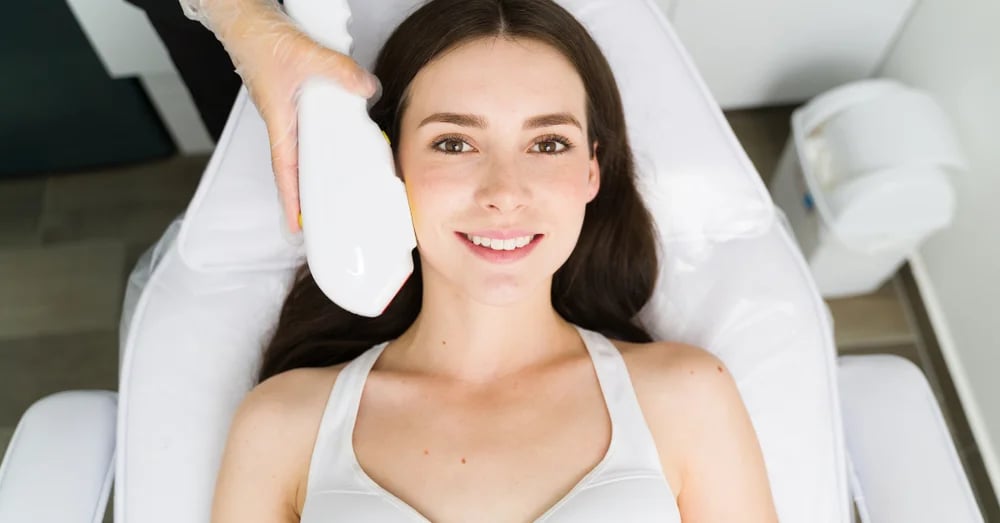
IPL stands for intense pulsed light. Unlike a laser, which emits a single wavelength, IPL delivers a broad spectrum of light that’s absorbed by specific targets in the skin - primarily pigment and the small blood vessels that create redness.
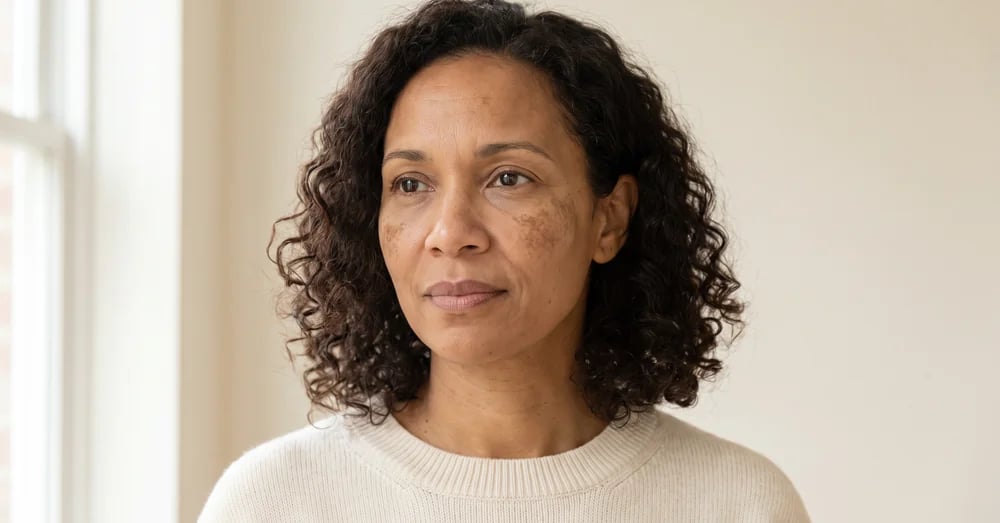
When that light energy is absorbed by a brown spot, the pigment heats up and is disrupted. The body then clears it through the skin’s natural shedding process. That’s the key to understanding your recovery: the spot doesn’t vanish - it rises to the surface and sheds. Which is exactly why it looks darker first.
For redness and visible vessels, the mechanism is similar: the light is absorbed by the vessel, which the body then reabsorbs over the following days and weeks.
This also explains why IPL is a series treatment. Each session targets what’s accessible at that moment; cumulative sessions address more.
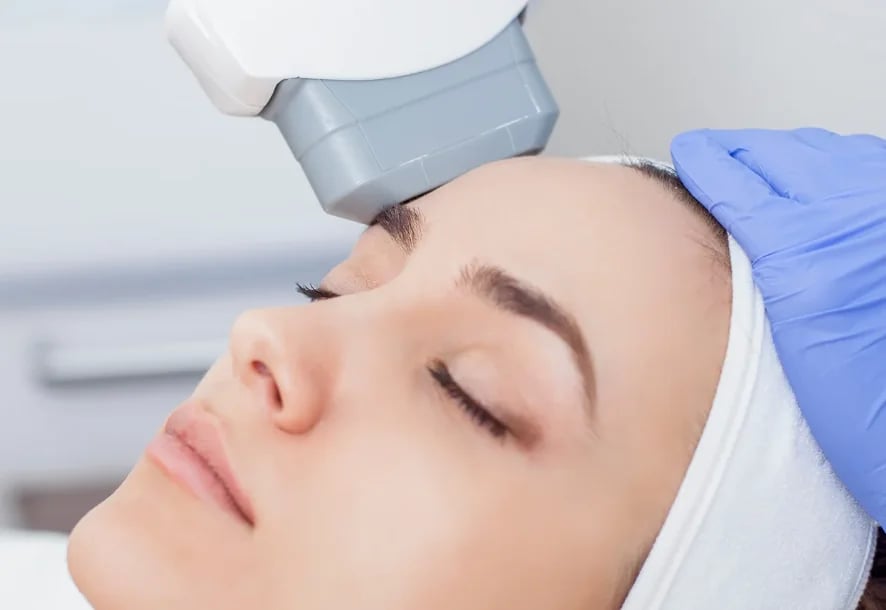
Our IPL photofacial page covers what IPL treats and which areas can be treated. If you’re still deciding whether it’s right for you, 3 pros and cons of IPL photofacials is a good starting point.
IPL Recovery Timeline: Day by Day
Everyone’s skin responds a little differently, and the intensity varies with how much pigment you’re treating. This is the typical arc.
Immediately after treatment (first few hours)
Your skin will likely look pink or flushed, similar to a mild sunburn, and may feel warm. Some mild swelling is normal, particularly around the eyes and on more delicate areas. This usually settles substantially within a few hours.
Treated brown spots may already start looking more defined or slightly darker. That’s the process beginning.
Apply whatever your provider recommends - typically a gentle moisturizer and sunscreen if you’re going outside. Keep it simple.
Day 1
Redness typically fades considerably. Some people are back to looking essentially normal by the next morning; others stay faintly pink for another day.
The pigmented spots now become more obviously darker - sometimes noticeably so. They can take on a coffee-ground or peppered appearance. This is the expected response, and it means the treatment targeted what it was supposed to target.
Keep skincare minimal: gentle cleanser, moisturizer, SPF. No actives.
Days 2 to 4
The darkened spots reach their most visible point. They may look slightly raised or crusty in texture. This is the stage people photograph in alarm and text their provider about - and it’s normal.
Continue gentle care. Do not exfoliate, scrub, or attempt to speed things along. Do not pick at the spots, even when they start catching on your washcloth.
Redness from the treatment itself should be largely gone by now for most people.
Days 5 to 10
The darkened pigment begins flaking away naturally. This happens gradually and usually subtly - you’ll notice spots fading rather than a dramatic shedding event. Some areas clear faster than others.
Skin underneath looks clearer and more even. This is when most people start feeling good about the decision.
Keep moisturizing, keep wearing sunscreen, and keep your hands off.
Days 10 to 14 and beyond
Most of the treated pigment has shed. Redness and vessel improvement continues developing over the weeks that follow, sometimes for a month or more.
If you’re doing a series, your provider will space your next session according to their protocol and how your skin responded.
What to Do After an IPL Photofacial
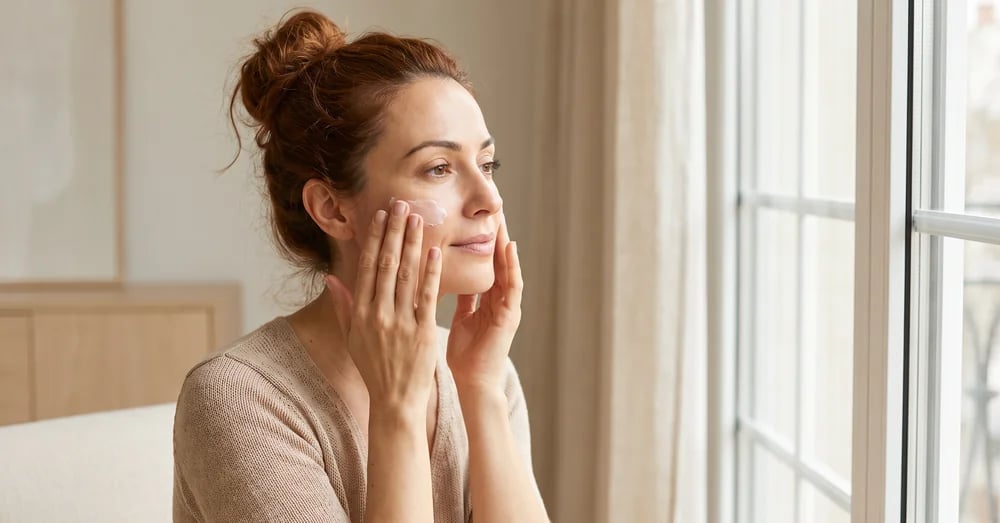
Keep it gentle and simple. Mild cleanser, cool or lukewarm water, and a fragrance-free moisturizer. Pat dry - don’t rub.
Wear broad-spectrum sunscreen every day. This is the single most important instruction. IPL targets pigment, and sun exposure creates pigment. Treating with IPL while continuing to get unprotected sun is working against yourself. In Phoenix, where UV is high year-round, this is a daily commitment, not a summer one.
Use cool compresses if you’re warm or swollen. Cool, not ice-cold, and not pressed hard.
Moisturize consistently. Well-hydrated skin sheds the treated pigment more evenly.
Be patient with the darkening stage. It’s the treatment working. Give it the week.
Follow your provider’s series schedule. Coming back on time matters more than coming back sooner.
What to Avoid After IPL
Don’t pick, scrub, or exfoliate the darkened spots. Forcing pigment off before it’s ready causes inflammation, and inflammation can produce new dark marks - exactly the problem you came in to fix. This is the number one way people compromise their own results.
Avoid heat and sweat for about 48–72 hours. Skip intense workouts, saunas, steam rooms, hot tubs, and hot showers. Heat aggravates freshly treated skin and can worsen redness. Warm-weather note: in Phoenix summer, “avoiding heat” takes some deliberate planning.
Stay out of the sun. No deliberate sun exposure, no tanning beds, no self-tanner. Wear a hat. Sit in the shade. Sun on recently treated skin risks both burning and new pigmentation.
Skip active skincare. No retinoids, no AHAs or BHAs, no vitamin C serums (unless your provider specifically approved one), no scrubs or cleansing brushes, until your provider clears you.
Don’t schedule other facial treatments right away. No waxing, dermaplaning, microdermabrasion, peels, or microneedling on the treated area until your skin has fully settled and your provider says it’s fine.
Avoid swimming pools and hot tubs for a few days - chlorine and heat are both unhelpful on freshly treated skin.
Don’t wear heavy makeup immediately. Give your skin at least the first day. When you do return to makeup, start with clean, gentle mineral formulas.
Common Reactions and What’s Normal
Darkening of treated spots. Completely expected. This is the defining feature of IPL recovery.
A peppered or coffee-ground look. Normal, temporary, and usually most noticeable on days 2–4.
Mild swelling, especially around the eyes. Common in the first 24 hours, particularly if you treated areas close to the eye.
Redness like a light sunburn. Normal for a few hours up to a couple of days.
Mild stinging or tenderness. Usually brief.
Light flaking as spots shed. Expected in the second week.
Temporary breakouts. Some people experience a few blemishes as skin turns over. Usually settles on its own.
When to Call Your Provider
Most IPL recoveries are uneventful, but contact your provider if you notice:
- Blistering, oozing, or open areas
- Redness that intensifies rather than fading after the first couple of days
- Increasing pain rather than improving comfort
- Signs of infection - spreading warmth, pus, fever
- Any lightening of the skin in treated areas, or pigment changes that concern you
These are uncommon, but your provider would much rather hear from you early than have you wait it out. Call 602-680-7703 if something doesn’t seem right.
Protecting Your Results Long-Term
IPL clears existing pigment and vessels. It does not prevent new ones. What determines whether your result lasts a long time or a short time is almost entirely what happens afterward.
Sunscreen, daily, forever. This is not an exaggeration for a Phoenix patient. UV exposure is what created most of the pigment you just treated. Broad-spectrum SPF every morning, reapplied when you’re outdoors, plus hats and shade.
Maintenance sessions. Most people benefit from periodic maintenance after their initial series. Your provider will recommend a cadence based on your skin and your sun exposure.
A consistent home routine. Once your provider clears you to resume actives, a well-constructed routine supports and extends your results.
Realistic expectations about recurrence. New sun spots will form over time if you’re exposed. That’s not treatment failure - it’s ongoing UV. Maintenance and protection are how you stay ahead of it.
IPL and Other Treatments
IPL isn’t the only option for pigmentation and tone, and it isn’t right for every concern.
For melasma specifically, heat can aggravate the condition in some patients, so chemical peels are often preferred. Our guide to VI Peel for melasma and hyperpigmentation covers that route.
For texture and acne scarring, microneedling addresses structure in a way light-based treatment doesn’t.
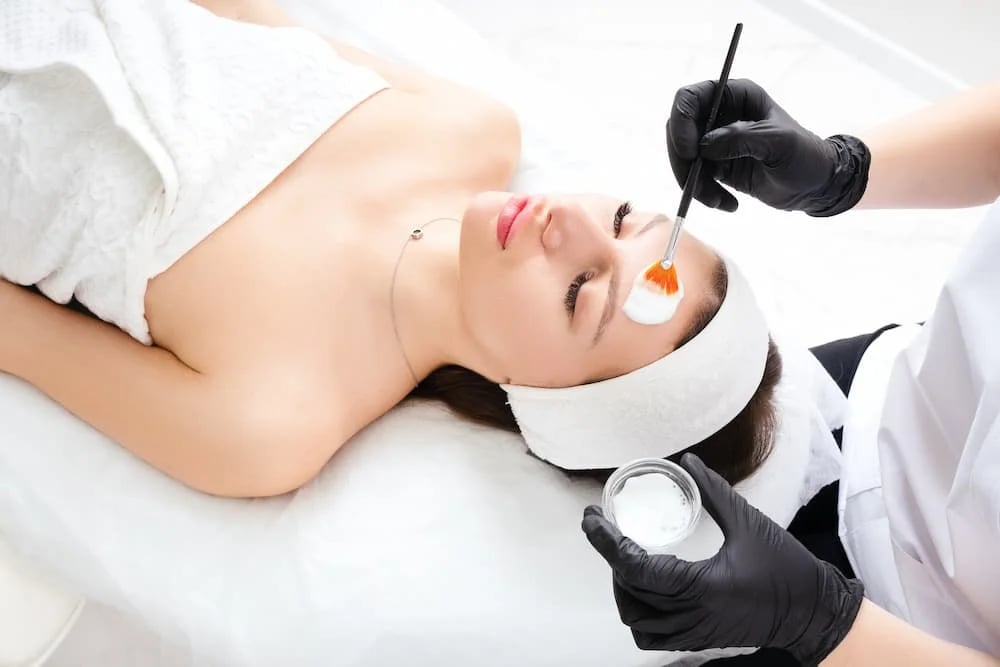
For general resurfacing and clarity, chemical peels are a common alternative or complement.
Many patients end up combining approaches across a year, properly spaced. Tell your provider everything you’re doing - including treatments elsewhere - so they can sequence safely.
Frequently Asked Questions
Why do my spots look darker after IPL?
Because that is how IPL works. The light energy disrupts pigment in the treated spots, and your skin then clears it by bringing it to the surface to shed. The darkening, sometimes described as a coffee-ground or peppered look, typically peaks around days 2 to 4 and then flakes away over the following week. It means the treatment targeted what it was supposed to.
How long does IPL recovery take?
Redness usually settles within a few hours to two days. The pigment darkening and shedding process typically runs about 7 to 14 days. Improvements in redness and vessels continue developing for several weeks after.
What should I avoid after an IPL photofacial?
Avoid picking or scrubbing the darkened spots, heat and sweat for 48 to 72 hours including workouts, saunas, hot showers and hot tubs, sun exposure and tanning, active skincare like retinoids and acids, other facial treatments, and heavy makeup in the first day.
How long should I wait to work out after IPL?
Wait about 48 to 72 hours before intense exercise. Heat and sweat aggravate freshly treated skin and can worsen redness. Light walking is generally fine as long as you avoid overheating.
Can I wear makeup after an IPL photofacial?
Give your skin at least the first day. After that, clean, gentle mineral makeup is usually fine, but check with your provider and avoid anything that requires scrubbing to remove while spots are still shedding.
Can I pick the dark flakes off after IPL?
No. Picking or forcing pigment off before it is ready causes inflammation, and inflammation can create new dark marks, the opposite of your goal. Let everything shed naturally, even when flakes start catching on a washcloth.
How many IPL sessions will I need?
IPL is typically done as a series, with the number depending on how much pigment and redness you are treating and how your skin responds. Your provider will recommend a specific number and spacing at consultation, plus a maintenance cadence afterward.
Do I really need sunscreen after IPL?
Yes, and it is the most important part of aftercare. IPL targets pigment and UV exposure creates pigment, so sun exposure can both compromise your healing and undo your results. Daily broad-spectrum SPF, reapplied outdoors, is essential in Phoenix year-round.
Is IPL good for melasma?
Not usually first-line. Melasma can be aggravated by heat, which makes light-based treatments a less comfortable fit for some patients. Chemical peels are often preferred for melasma. Discuss your specific pigmentation type at consultation.
When can I get another facial treatment after IPL?
Wait until your skin has fully settled and your provider clears you. Do not schedule waxing, dermaplaning, microdermabrasion, peels, or microneedling on the treated area in the days immediately after. Your provider will sequence treatments appropriately.
Questions About Your IPL Recovery?
Good IPL aftercare isn’t complicated - keep it gentle, stay out of the heat and sun, wear sunscreen religiously, and resist the urge to interfere with the shedding process. Do that, and you’ll get the clearer, more even skin the treatment is designed to deliver.
If something about your recovery doesn’t look right, or you’re ready to plan a series, the team at Ageless Health Institute in Phoenix is here. Call 602-680-7703 or schedule your consultation.
Related reading: