Phoenix is a place where skin is on display for most of the year, which makes it a natural market for laser hair removal. It is also a difficult place to do it well. The same sun that makes smooth legs and underarms appealing in March makes treatment trickier by June. Tans appear quickly, pool days stack up, and the temperature outside can reach levels that change how irritated skin feels after a session.
Most guides to laser hair removal are written as if the calendar did not matter. In the Sonoran Desert it does. A treatment plan that would be routine in a cloudy climate needs adjustment when skin is repeatedly exposed to intense ultraviolet light, and when the question is not only whether to treat but when.
This article looks at laser hair removal through that local lens. It explains how the laser interacts with pigment and why a tan is a safety issue rather than a cosmetic one, how summer sun, heat and swimming interact with treated skin, which body areas are easiest to schedule in the hottest months, what changes for different skin tones and hair colors and how to think about a series of sessions across a full year. It is general education and not a prescription, since the right plan depends on an in person assessment.
How the Laser Finds Hair and Why Pigment Is the Whole Story
Laser hair removal depends on a simple principle. Light of a particular wavelength is absorbed by melanin, the pigment that gives hair its color. The hair shaft carries that energy down to the follicle, where heat damages the structures that generate growth. Done correctly, the treated follicles produce finer, sparser hair over time and, in many cases, stop producing it.
Everything about safety follows from the fact that melanin is the target. Dark hair on light skin gives the laser a clear contrast: plenty of pigment in the hair and little in the surrounding skin. When the skin itself carries more pigment, whether from natural tone or from a tan, the laser has a harder time distinguishing between hair and skin, and the skin absorbs more of the energy. That is how burns, blisters and color changes happen.
Different devices and wavelengths handle this trade-off differently. Some are better suited to lighter skin, others to deeper tones, and providers choose settings accordingly. No device removes the need to consider how much pigment is in the skin on the day of treatment.
A Tan Is Skin Responding to Injury
People often think of a tan as healthy color, but biologically it is a protective response to ultraviolet damage. Pigment production rises to shield deeper cells, and that extra melanin in the skin is exactly what interferes with the laser.
In Phoenix, tans do not require beach vacations. Driving with the window down, an hour on a patio, a hike on the weekend or an afternoon by the pool can add measurable pigment, and it often shows up on the legs, arms and face first. A tan can also be uneven, with tan lines that matter when a laser passes across them.
For this reason, most providers ask about recent sun exposure at every session and may postpone treatment if the skin has darkened. It can feel frustrating to be sent home, but a delayed session is far preferable to a burn. Self tanners and bronzing products can also interfere and are usually avoided before treatment.
Heat, Sweat and Irritated Skin
Laser treatment leaves the skin warm and mildly irritated, often with redness and small raised bumps around each follicle that resemble goosebumps. These typically settle within hours to a few days. In cool weather, this is a minor nuisance. In a hot environment, it can be more noticeable.
Heat dilates blood vessels, so skin that is already irritated looks pinker and feels more uncomfortable when the temperature is high. Sweat can sting freshly treated skin, particularly in the underarms and bikini area. Tight, synthetic clothing traps heat and friction, which compounds the problem.
None of this makes summer treatment unsafe by itself. It means that planning around the first day or two after treatment, with cool environments, loose cotton clothing and gentle skin care, makes recovery more comfortable. Scheduling a session before a day of outdoor sports or a long day at an outdoor event is usually unwise.
Pool Days, Chlorine and Hot Tubs
Phoenix residents spend a lot of time in water, and it is a common question whether it is fine to swim right after treatment. In general, providers advise avoiding pools, hot tubs and saunas for a short window after a session, often around two days, though exact guidance varies. Chlorine can irritate treated skin, and hot water can aggravate redness and swelling.
The sun at the pool is the larger issue. Treated skin is more sensitive to ultraviolet light, and lying out shortly after a session raises the chance of pigment changes and irritation. Shade, protective clothing and a broad spectrum sunscreen are sensible habits for the weeks around treatment, not just the first day.
Which Areas Are Easiest to Treat in the Hottest Months
Not all body areas are equal when sun exposure is a concern. Those that are usually covered by clothing are easier to schedule in summer because they get less ultraviolet exposure and are less likely to carry a tan. The underarms and bikini area fall into this group for many people, though sweat and friction need to be managed.
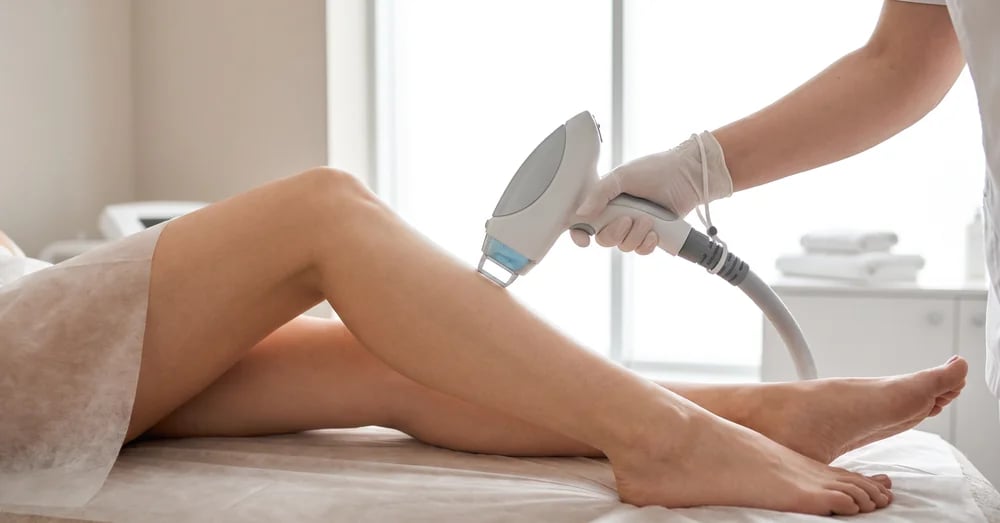
Areas that are often exposed are more difficult. Legs, arms, the face and the back are all places where tans accumulate, and they may require more careful timing. Many patients choose to begin sessions for these areas in autumn, when sun exposure is easier to reduce, and continue through winter and spring.
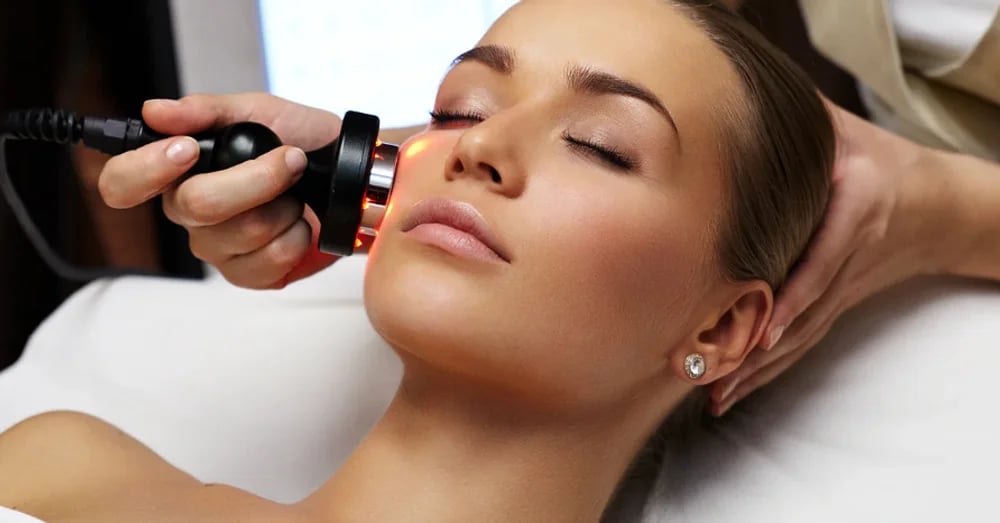
The face deserves its own mention. Facial skin is thinner, more exposed and more likely to carry some tan year round in Phoenix. Providers may treat it with extra caution and recommend strict sun protection before and after.
Hair Color, Skin Tone and What Changes
Laser hair removal works best on dark, coarse hair against lighter skin, but it is not limited to that combination. People with deeper skin tones can often be treated safely with appropriate wavelengths and settings, though it demands expertise and conservative technique. Very light hair, including blond, red, gray and white, contains little pigment and tends to respond poorly, since there is not enough target for the laser to find.
Fine, light hairs that look like peach fuzz may also respond less than thick terminal hair. Hormonal conditions can influence how much hair appears and whether it returns after treatment, so patients with sudden or unusual growth sometimes need a medical evaluation in addition to treatment.
A consultation clarifies where an individual falls on this spectrum. A provider who promises the same results for every skin tone and hair color is not being realistic.
Why a Series of Sessions Is the Norm
Hair grows in cycles, and the laser is effective mainly on follicles in the growth phase. At any given time, only a portion of the hairs in an area are in that phase, which is why a single session cannot treat everything. Several sessions, spaced to match the growth cycle, catch follicles as they enter the active phase.
The number of sessions depends on the area, the hair, the hormones involved and the device, and no honest provider can promise a fixed number in advance. Spacing often runs around four to eight weeks, longer for slower growing areas, with intervals that sometimes stretch as treatment progresses. A broader look at how many sessions are typically needed shows that the answer varies by body area and by person.
Many people see noticeable reduction within the first few sessions, and hair that grows back tends to be finer and lighter. Some regrowth after a series is common, and occasional maintenance sessions are not unusual.
Planning a Year Instead of a Single Appointment
Because of the interaction between sun and treatment, it helps to think about laser hair removal in Phoenix as a plan across several months rather than a one off appointment.
For exposed areas, starting in early autumn allows a series to run through the cooler months, when tans fade and sun exposure is easier to limit. Sessions can continue into spring, and by the time summer arrives, much of the work may be done. Those who start in late spring may find sessions interrupted by tans and may need to pause during the sunniest weeks.
For covered areas, the calendar is more flexible, though heat and sweat still shape the days after treatment. Some people choose to begin in summer for those areas and add exposed areas in autumn, so that the whole series finishes together.
There is no single correct timeline. What matters is that the plan matches the person’s sun habits and that the schedule leaves room for skin to be tan free at each appointment.
Shaving, Waxing and Preparing for a Session
Preparation is straightforward but important. Hair should usually be shaved before treatment, since the laser needs the pigment in the follicle below the skin and not the hair above it. Shaving also prevents surface hair from burning. Waxing, plucking and threading remove the hair root, which is the thing the laser targets, so these are usually avoided between sessions, and many providers ask patients to stop them for several weeks before starting.
Skin should be clean and free of lotions, deodorant and self tanner on the treatment day. Medications that increase photosensitivity, certain topical retinoids and recent isotretinoin use may require adjustments or delays, which is why a complete medication history belongs in the first consultation. People prone to cold sores sometimes need a preventive plan before treating areas near the mouth.
Aftercare That Works in Desert Conditions
After a session, simple measures help. Cool compresses ease warmth and redness. Gentle, fragrance free moisturizers support the skin barrier, which dry desert air can strain. Loose clothing avoids friction. Hot showers, vigorous exercise, saunas and heavy sweating are usually avoided for a day or two.
Sun protection is the central rule. Treated areas should be shielded with clothing and, where exposed, a broad spectrum sunscreen applied consistently. Scrubbing, picking and exfoliating are discouraged while the skin settles. Shedding of treated hairs can occur over a week or two, and it can look like new growth, though it is the treated hair being pushed out.
Redness that worsens, blistering, persistent swelling or color changes should be reported to the clinic rather than watched for days. Most reactions are mild, but early attention helps.
What Laser Hair Removal Cannot Promise
It is better to set realistic expectations at the start. Laser hair removal reduces hair, often substantially, but it does not guarantee permanent removal of every hair. Results vary, and some people see more regrowth than others, particularly where hormones play a role. Hairs that are light or gray may not respond.
It also does not treat ingrown hairs by itself, though many people find that fewer and finer hairs lead to fewer ingrowns. It is not a treatment for skin conditions, and areas with active infections, rashes or suspicious moles need attention before any laser is used near them. Pregnancy is typically a reason to wait.
Choosing a Provider Who Respects the Calendar
In a place where summer arrives early and leaves late, a provider’s willingness to say not yet is a sign of competence. Look for someone who asks about sun exposure at every visit, adjusts settings for the day’s skin color, offers test spots when there is doubt and explains why a plan fits your schedule. A clinic that books people in without reference to tan, and that treats every skin tone with the same setting, is taking a risk with someone else’s skin.
Medical oversight also matters, since lasers are medical devices and complications, though uncommon, need to be recognized and treated properly. A practice that handles aesthetics within a medical setting is positioned to respond.
A Sensible Way to Begin
For someone in Phoenix thinking about laser hair removal, a reasonable first step is a consultation that covers skin tone, hair color, sun habits and goals, followed by a plan that maps sessions onto the seasons. If summer is already here, treating covered areas first and waiting on exposed ones is a common and sensible approach. If autumn is near, starting exposed areas then gives the longest runway of tan free months.
The goal is not to avoid the sun entirely, which is unrealistic in this climate. It is to line up treatment with the stretches when the skin is least likely to be tanned and most likely to heal comfortably, and to protect the result once it is achieved.
Frequently Asked Questions
Can I get laser hair removal in the summer in Phoenix?
Often yes, especially on covered areas such as the underarms and bikini area. Exposed areas need stricter sun avoidance, and sessions may be postponed if skin is tanned.
Why was my laser appointment postponed because of a tan?
Extra pigment in tanned skin absorbs laser energy and raises the risk of burns and color changes, so providers delay treatment until the tan fades.
Can I swim after laser hair removal?
Providers usually advise avoiding pools, hot tubs and saunas for about two days, though guidance varies. Sun exposure at the pool is a bigger concern than the water itself.
Is autumn the best time to start?
For exposed areas, many patients prefer starting in autumn so a series can run through cooler months, when tans fade and sun exposure is easier to limit.
Does laser hair removal work on light or gray hair?
Generally poorly, since there is little pigment for the laser to target. Dark, coarse hair responds best.
Can I shave between sessions?
Yes. Shaving is usually recommended, while waxing, plucking and threading are avoided because they remove the root the laser targets.
How long until I see results?
Many people notice reduced growth after the first few sessions. A full series is typically spaced several weeks apart, and the number needed varies by person and area.