Someone leaves a clinic with fresh lip filler. By evening the lips are tight and a little puffy. Someone else goes home from PDO threads with a bruise forming along the cheek. A third person has had a peel and feels warm and tight. Each reaches for the nearest cold thing in the kitchen, a bag of frozen peas, an ice pack, a cold spoon, and at some point a friend or a forum post says the opposite: use warmth instead.
Who is right? In a sense, both, because temperature does different things at different times, and the right answer depends on the treatment, the hour and sometimes the climate. Standing in a Phoenix kitchen in August, with outside air at 112 degrees and a face that is already flushed, it is useful to know why.
This guide explains what cold and warmth actually do to tissue, builds a timeline from the first hour to the second week, goes through the common treatments one by one, and ends with the mistakes that cause real harm. It is general information. It does not replace the written aftercare your provider hands you, which reflects the specific product, technique and your own history. When the two differ, follow your provider.
What cold does inside the skin
After injectables in particular, cold is the first tool people reach for, so it helps to know what it is doing. Cold causes blood vessels near the surface to narrow, a process called vasoconstriction. Narrower vessels carry less blood, and that has several consequences that matter after a cosmetic procedure. Less blood leaking from tiny vessels irritated by a needle means a smaller bruise. Reduced blood flow means less fluid seeping into the surrounding tissue, which means less swelling. Cold also dulls nerve signals, which is why it numbs and soothes.
Those effects are strongest early, when fresh needle tracks or heat from a laser are still active and the body is mobilizing its inflammatory response. Cold does not stop healing, but it can take the edge off the first rush of swelling and discoloration, which is why most aftercare sheets recommend it in the first day or two.
What warmth does inside the skin
Warmth does the opposite. It widens the blood vessels, a process called vasodilation, which increases blood flow to the area. More flow brings oxygen and immune cells and carries away debris, which is useful for healing later on. It also relaxes muscle and eases stiffness.
Early on, however, extra blood flow to a freshly injected or heat-treated area works against you. It can enlarge a forming bruise, increase swelling and make tenderness worse. That is why heat is generally discouraged in the first day or two after most injectables and procedures. Later, once the initial bleeding has stopped and the bruise is simply being cleared, gentle warmth can help the body reabsorb blood faster and relieve residual stiffness or lumpiness, if your provider agrees.
Why the answer has a clock on it
Combine the two and the pattern is easy to see. In the first phase, when the goal is to limit bleeding and fluid, cold helps and heat hurts. In the later phase, when the goal is to clear what has accumulated, warmth may help and cold has less to offer. The transition between the two is not a fixed hour; it depends on how the treatment went, how large the bruise is and how swollen the tissue remains. Providers often use the second or third day as a rough dividing line, but their own instructions come first.
A third phase deserves mention. In the final stretch of healing, neither temperature matters much, and the priority is protection from sun and heat that could trigger pigmentation or irritation. In Arizona this phase can be the longest.
Hour 0 to 24: cool, gently, with a barrier
The first day after dermal fillers or most other treatments is cold territory. A few rules make cold safe and effective.
Use a cool, not freezing, source. A gel pack wrapped in a clean cloth, a bag of frozen vegetables in a thin towel or a cold, damp washcloth works well. Do not put ice directly against the skin, particularly after numbing cream or a local anesthetic, because numb skin cannot warn you when it is being injured. Frostbite and cold burns are rare but real, and they leave marks that outlast the bruise.
Apply for short intervals, commonly ten to fifteen minutes, then give the skin a break before repeating, so tissue is not chilled to the point where blood flow rebounds. Be gentle with pressure. Pressing hard on a fresh filler can shift product, and pressing on a fresh thread can irritate it. Rest the cold item lightly on the surface instead of rubbing or kneading. Keep the head elevated when resting, since gravity helps fluid drain from the face.
Hour 24 to 72: the gray zone
After the first day, the situation gets less certain. Swelling frequently peaks around the second or third day after injectables and threads, which surprises people who expected improvement by then. Bruises appear on the surface as the blood works its way up, sometimes in an area away from where the needle went.
For many treatments, cool compresses remain useful in this period to ease swelling and tenderness. Warmth is generally still discouraged, particularly over areas that are actively swelling or tender. If a bruise is large and the swelling has clearly stopped growing, some providers allow a gentle switch to warmth toward the end of this window, but that call depends on the case. This is the period in which the question of whether warm compresses help is most commonly asked, and the best answer is to ask the clinic that did the work.
Reading a bruise: what the colors say about timing
A bruise tells you where it is in its life. Fresh blood under the skin looks red or purple. Over the next several days, as the body breaks down hemoglobin, the color shifts toward blue, then green and finally yellow or brown before fading. A bruise that darkens over the first two days is normal, because blood is still arriving at the surface. A bruise that starts to turn green or yellow is in the clearing phase, which is the stage at which warmth is most likely to help if the clinic agrees.
Gravity moves bruises. After under-eye injections or other work near the eye, blood can drift downward, so a bruise that began at the cheek can appear along the jaw by day three. After threads, discoloration can travel along the neck. That wandering is ordinary and does not mean the problem is spreading. What is not ordinary is a bruise accompanied by a firm, painful, rapidly growing lump, which can indicate a collection of blood that needs evaluation.
Sleep, posture and the pillow
Temperature is not the only thing affecting how swollen you look in the morning. Lying flat lets fluid pool in the face, which is why swelling often looks worst on waking. Sleeping on your back with the head raised on an extra pillow or a wedge helps for the first nights, and it also keeps pressure off cheeks and the chin, which matters after threads and filler.
Sleep itself helps healing, but a hot bedroom does not. In a Phoenix summer, keep the room cool, use light bedding and avoid heating pads or electric blankets on the face or neck. If you wake up with obvious puffiness, a cool, damp cloth for a few minutes is usually plenty, and swelling typically settles over the first hours of being upright.
Food, drink and other sources of heat
Everyday habits add heat in ways people overlook. Very hot beverages and spicy food dilate blood vessels in the face. Alcohol does the same and thins the blood slightly, which can worsen bruising, so providers often ask patients to skip it around treatment. Hot showers and steam from cooking raise blood flow to the face. A warm shower is usually fine if kept lukewarm and brief, with the water directed away from the treated area.
Exercise deserves a mention. Intense workouts raise heart rate and blood pressure, which can increase swelling in a freshly treated area. Light walking is usually acceptable. Most providers advise holding off on strenuous exertion for at least a day or two, and longer after threads or surgery-adjacent procedures.
Makeup, sunscreen and the skin tone question
Many patients want to cover a bruise within a day or two. Mineral makeup applied with clean tools after the injection sites have closed is usually acceptable, but the timing is the clinic’s call, and heavy rubbing is not. Green-tinted concealer neutralizes redness, and yellow-toned products help with purple. Sunscreen remains essential, applied gently, and physical blockers are often better tolerated on irritated skin.
Skin tone changes the stakes. In deeper skin tones, inflammation and heat can leave dark marks after the bruise or redness fades, a change called post-inflammatory hyperpigmentation. That is one more reason to avoid heat and sun on treated areas and to avoid picking or scrubbing. Redness also reads differently across skin tones, so a patient with darker skin may not see the pink flush that signals irritation and should rely on warmth, tenderness and swelling to judge how the skin is doing.
Who needs extra care
Some people have a greater chance of bruising or a harder time with temperature. Those who take blood thinners, aspirin or anti-inflammatory medicines, certain supplements such as fish oil or vitamin E, or who drink regularly are more likely to bruise, and they should tell the provider about everything they take before treatment, not after. People with poor circulation, diabetes or nerve damage may not feel heat or cold normally and need to be especially careful with compresses. Older adults have thinner skin that bruises more and heals more slowly. People with a history of cold sores near the mouth should discuss prevention before lip or perioral work, since injections and heat or sun exposure can trigger an outbreak.
Anyone unsure about their own situation should ask before treatment. The consultation is the right moment to say how easily you bruise and what you take.
Day 4 to 14: when warmth may help
By the middle of the first week, active swelling has usually peaked and begun to recede. Remaining bruises are in the clearing phase, changing from purple to green to yellow as the body breaks down blood pigments. This is the point at which a warm, not hot, compress may encourage circulation and help the bruise fade more quickly, if the provider approves. A warm compress also relaxes the tight, bound-down feeling that some patients have along thread tracts or after injectables, and it can ease firmness.
Even then, caution is warranted. Heat should be mild, applied for short periods, with a cloth barrier, and stopped if redness, throbbing or swelling increases. Patients with numb skin should be especially careful, since they may not feel a burn developing. Any heat near an area with a lump, redness, warmth or pain that is getting worse instead of better should be reported to the clinic and not treated at home.
Lips: why the most vascular area needs cold first
Lips swell dramatically and bruise readily because the tissue is vascular and thin. Cool compresses applied gently in the first day or two are a standard recommendation, and they are often enough to take the edge off. Because the swelling can be uneven, patients sometimes panic on day two when one side is bigger than the other. That is typical and usually resolves.
Heat is a problem in this window. Hot drinks and hot showers, steam, saunas and hot yoga all raise blood flow to the face. Many aftercare protocols ask patients to avoid them for a day or more. The details for lips are in the lip filler aftercare plan, and numbing choices before the appointment can influence how comfortable the first hours are. Lumpiness that persists beyond the first week or two should be examined by the injector and not massaged away at home unless instructed, because pressure can move product.
Dermal fillers elsewhere on the face: cheeks, nasolabial folds, under eyes
The principles carry over, with local differences. Cheeks and folds swell less than lips but can bruise, and cool compresses in the first day are standard. Under the eyes the skin is extremely thin, swelling can look dramatic, and the Tyndall effect, a bluish tint from superficial product, is a separate issue from bruising. The skin there is also easily injured, so a cold item must be soft and clean and used gently. Warm compresses over the under-eye area are generally not advised early on because they can worsen puffiness.
For all areas, the broader filler aftercare instructions cover activity, sleeping position, makeup and the 24 to 48 hour restrictions on exertion. Temperature is one thread in that larger set of instructions.
Botox, Dysport, Xeomin and Jeuveau: cool is fine, pressure is not
Neuromodulator injections use tiny needles and typically produce small bumps and occasionally small bruises. A cool compress, applied lightly, can soothe the injection sites and reduce minor swelling. The caution is about pressure and rubbing, not temperature. Pressing, massaging and wearing tight hats or headbands can, in theory, move product to places it was not meant to go, which is why aftercare guides tell patients to avoid touching or rubbing the area for several hours.
Heat has a different concern. Saunas, hot yoga and intense workouts raise blood pressure and flow, and many providers ask patients to avoid them for the first day. The Botox aftercare sheet lists the restrictions, and the principle is that a calm first day gives the injection the best chance of staying where it was placed.
Thread lifts: tracts, tightness and a late, conditional switch to warmth
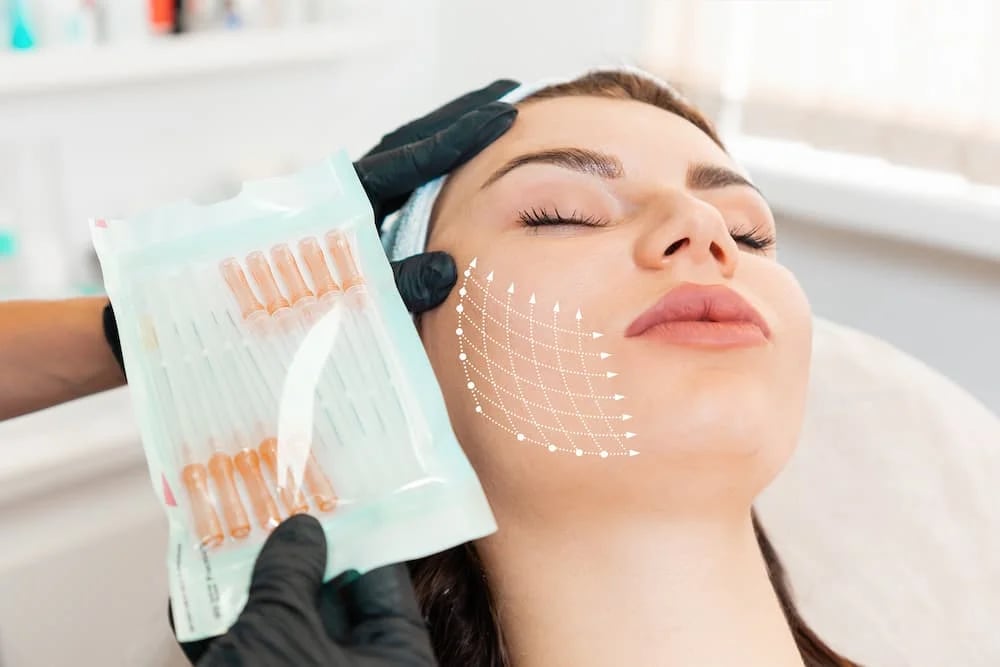
Threads are fine, dissolvable sutures placed under the skin, and the recovery often includes swelling, bruising, tightness, a pulling sensation and sometimes small dimples that settle. Because the threads travel along tracts, bruising can show up along those tracts and in the neck or jaw rather than only at the entry points.
Cool compresses in the first couple of days are the standard approach. They ease swelling and discomfort. Heat is generally avoided early, since it can increase swelling and may aggravate the tracts. Dental work, vigorous facial movement, sleeping on the side and pressure on the cheeks are also restricted. The detailed day-by-day picture sits in the thread aftercare instructions.
The warm compress question has a reasonable but conditional answer. Once initial swelling and bruising are clearly receding, and only if the provider agrees, a mild warm compress may help bruises clear and may ease residual tightness. Used too early, or too hot, it can do the opposite. Anyone who notices increasing redness, warmth, pain, swelling that spreads, drainage or fever should call the clinic, since those are not signs of normal healing.
Laser, IPL and photofacials: cooling for comfort, then protection
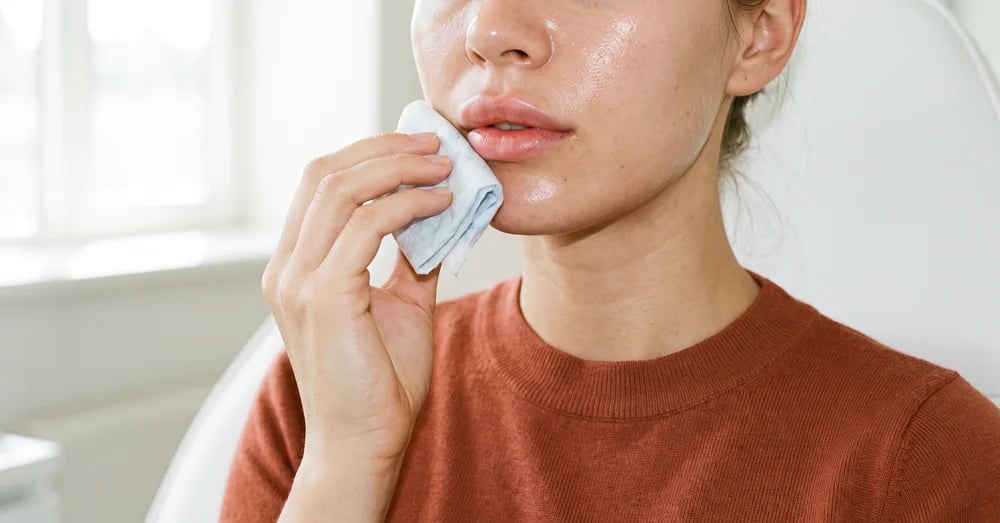
After intense pulsed light or laser treatment, the skin feels warm, tight and sometimes sunburned. Cool compresses and cool, not icy, gel packs can bring relief in the first hours, and a cold, damp cloth is often enough. The target is the heat the light left behind, not a bruise.
Pigmented lesions that darken after IPL, a normal response, will flake off in a few days, so scrubbing, picking and heat exposure are discouraged. Sun is the larger concern. IPL aftercare centers on sun protection, flaking and timing, and for Phoenix residents, the combination of fresh laser skin and desert sun is the main hazard. Hot showers, saunas and steam also irritate treated skin and are usually avoided for a few days.
Chemical peels and VI Peel: a different kind of warmth
A peel causes a controlled injury to the skin’s surface. The skin tightens, may feel warm, then darkens and peels over several days. Cool water and gentle cooling can soothe, but ice and aggressive cold are unnecessary and can be uncomfortable on sensitive, raw skin. What matters more is avoiding irritants: hot water, steam, sweating heavily, scrubbing and sun.
The timeline and the specifics of washing and moisturizing are laid out in VI Peel aftercare. The temperature principle is the same as with lasers: keep treated skin cool, calm and protected while it renews.
RF microneedling and microneedling: warmth in the skin, redness on the surface
Microneedling creates thousands of tiny channels, and radiofrequency versions add heat deep in the skin. The face looks pink or red, feels warm and may swell for a day or two. Cool compresses help the surface, and hot environments make the flush last longer. Pinpoint bleeding or bruising is possible, especially with deeper settings.
The advice for the next few days centers on gentle cleansing, sun avoidance and avoiding sweating. The recovery stages of RF microneedling follow the same pattern. Heat from saunas, hot tubs and hot yoga is generally avoided for several days, in part because it prolongs the redness and in part because open channels are more vulnerable to irritation.
Kybella and Sculptra: swelling is part of the plan
Treatments that work by causing a controlled response, such as deoxycholic acid injections under the chin or poly-L-lactic acid for volume, often produce noticeable swelling. After Kybella the swelling under the chin can be significant for days, and cool compresses can make it more comfortable. Heat is not advised early on, because it increases blood flow and inflammation.
With biostimulators such as Sculptra, the aftercare often includes specific massage instructions in the days after treatment, and temperature advice follows the same early-cool logic. Because the protocols differ between providers and products, the written instructions matter more than general rules here.
Phoenix factors that change the advice
Climate adds a few wrinkles. Skin that is warm from the environment may not tolerate extra heat from a compress. Cool water from the tap in Arizona may not be cool in summer, as municipal and household pipes can deliver lukewarm water, which affects how cold a washcloth really is. Cars can reach temperatures that make a gel pack useless within minutes. Lingering outside for a few minutes can undo the benefit of the compresses.
The practical points are straightforward. Keep a gel pack in the freezer and a second in the cooler for the drive home. Use shade, a hat and air conditioning as aftercare tools, not extras. Avoid sunscreen mistakes: apply only what your provider approves to freshly treated skin. And plan the treatment around the weather. A procedure scheduled before a long outdoor day or a summer trip is not ideal, and the issue of scheduling treatments relative to one another comes down to spacing them sensibly.
Outdoor workers, golfers and the afternoon problem
Some Phoenix patients cannot simply stay indoors for two days. Construction workers, landscapers, golfers, hikers and people who commute on foot or by bike are exposed to heat and sun whether or not they have had treatment. For them, planning matters more than gadgets. Schedule injectables or threads before a few days of lighter work or time off, wear a wide-brimmed hat and shade the face, and keep a cooler with a gel pack for breaks. Skip the hottest hours entirely for the first days when possible.
If work cannot be moved, tell the provider at the consultation so the plan can account for it. A treatment that is ideal in October may be a poor fit for a week in July, and a good clinic will say so.
Mistakes that cause real harm
A few errors turn up repeatedly. Ice placed directly on numb skin can cause a cold burn. Heating pads, hot water bottles and microwaved rice bags can burn skin that cannot feel heat, and they increase swelling early. Rubbing and kneading a swollen area to move the swelling can displace filler or irritate threads. Saunas, steam rooms, hot tubs and hot yoga in the first day or two are common ways to worsen swelling and bruising. Alternating hot and cold in a contrast routine, borrowed from sports recovery, is not appropriate for fresh injectables.
Another mistake is treating a worrying symptom with a compress. A cold or warm compress is for ordinary swelling and bruising. It is not a treatment for increasing pain, spreading redness, skin that turns pale, blue or dusky, blistering, vision changes or a lump that is hot and tender. Those need a call to the clinic right away, and some need emergency care.
Supporting the skin in between: the unglamorous part
Temperature is only one piece. Staying hydrated, sleeping with the head elevated, avoiding blood-thinning supplements and alcohol around the time of treatment, as directed by the provider, and eating enough protein all help recovery. The routine that keeps skin healthy between visits matters too, and good skincare between treatments protects results without irritating healing skin.
Some people ask about arnica and similar supplements for bruising. Evidence is mixed, and products vary. They are worth discussing with the provider, not starting on a hunch, particularly if you take other medications or have bleeding concerns.
Reading your own face
Everyone heals differently. Some people bruise at the slightest touch; others hardly mark. Thin skin, certain medications and supplements, and a high-vascularity area such as the lips increase the odds. A few habits help you track recovery: take a photo at the same time each day in the same light, note when swelling seems to peak and when the bruise changes color, and jot down which compress you used and when. If something seems off, the record helps the clinic judge it.
Most swelling and bruising are temporary, and the best use of a compress is comfort and mild reduction, not perfection. If the result is a face that looks unfamiliar for a week, that is normal, and the final outcome is judged after the swelling is gone.
When to reach the team
Questions about temperature are among the most common aftercare calls, and clinics expect them. A quick message is better than guessing. Ageless Health Institute in Phoenix gives written instructions for each treatment, and the team can tell you whether cool or warm is right for your skin at your point in recovery. If you are planning a procedure and want to ask in advance how recovery will go, a consultation is the place to do it.
One last way to think about it
It helps to treat a compress as a small, short-term comfort tool and not a result-determining one. The deciding factors in how a treatment looks at two weeks are the injector’s technique, the product, your own biology and the care you take of the area. A well-timed cool pack on day one makes the first evenings more comfortable. A well-timed warm cloth on day six may speed a fading bruise. Neither one rescues a treatment that went poorly, and neither is worth anxiety. If you remember three things, make them these: cool early, never ice on bare or numb skin, and ask before using heat.
Frequently Asked Questions
Which temperature fits the first two days after a thread lift?
Cool compresses are generally used in the first day or two to ease swelling. Warmth is usually avoided early and may be allowed later, only if your provider agrees.
Is there a point after threads when warmth starts to help?
Early on, warmth can increase swelling. Once swelling is clearly receding and your provider approves, a mild warm compress may help bruises clear and ease tightness.
Can a cool compress calm swelling on freshly treated lips?
Yes, gentle cool compresses in the first day or two can reduce swelling and bruising. Avoid pressing hard, and keep a cloth between ice and skin.
Can I put ice directly on my face after filler or Botox?
No. Ice directly on skin, especially numbed skin, can cause cold injury. Wrap it in a cloth and use short intervals.
How long should I use a cold compress?
Commonly ten to fifteen minutes at a time with breaks, during the first day or two, but follow your provider’s instructions.
When can I switch to a warm compress?
Some providers allow gentle warmth after the first few days once swelling has peaked and the bruise is clearing. Ask your clinic before switching.
Are saunas and hot tubs safe after injectables?
Heat raises blood flow and may worsen swelling and bruising, so most providers ask patients to avoid saunas, steam, hot tubs and hot yoga for a day or more.
What helps a bruise fade faster after injectables or threads?
Cool compresses early, head elevation, avoiding blood-thinning supplements as directed, and patience. Later, gentle warmth may help if approved.
Should I use a compress after a laser, IPL or peel?
Cool, not icy, compresses can soothe warmth and tightness. The larger priority is avoiding heat, steam, scrubbing and sun while the skin heals.
Does Phoenix heat change aftercare?
Yes. Hot water, hot cars and outdoor heat can undermine cold compresses and worsen redness and swelling, so plan treatments and travel around the weather.
When is swelling or bruising not normal?
Spreading redness, increasing pain, pale, blue or dusky skin, blistering, drainage, fever, vision changes or a hot, tender lump need a call to the clinic right away.
Do arnica or other supplements help bruising?
Evidence is mixed, and products vary. Discuss them with your provider before using them, especially if you take other medications.