
A PDO thread lift is one of the most misunderstood aesthetic procedures. You’ll find social media posts showing dramatic before-and-afters, with people claiming instant results and no recovery. Then you’ll find cautionary tales about threads breaking, faces looking wrong, or results disappearing. The truth, as always, falls somewhere in the middle-but understanding what you’re actually getting into is critical because PDO thread recovery is significantly more involved than Botox or fillers, and results expectations are very different.
This guide walks you through the actual recovery timeline, when results appear and peak, what genuinely works best, common concerns and what’s normal, and realistic expectations for longevity.
How PDO Threads Actually Work
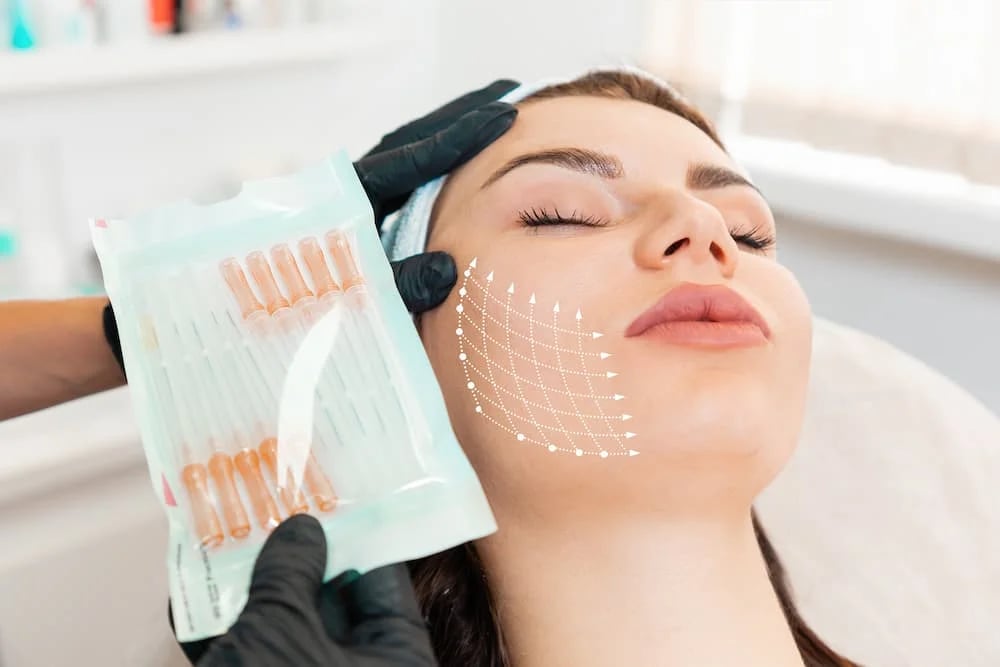
PDO (polydioxanone) threads are thin, absorbable sutures placed under the skin to mechanically lift and tighten sagging tissue. Unlike fillers (which add volume) or Botox (which relaxes muscles), threads physically suspend and support facial tissues.
When inserted, threads sit in the subcutaneous layer and have small barbs or cones that hook into surrounding tissue. That mechanical anchoring creates an immediate subtle lift. Then, over weeks and months, the threads trigger collagen production around them, which provides additional tightening and support as the threads gradually absorb (over four to six months).
This is different from surgical lifting because it’s much less invasive, requires minimal anesthesia, and has less downtime. But it’s also different from injectables-it’s a procedure, not just an injection, and recovery reflects that.
Immediately After Your Procedure (Hours 0-4)
You’ll feel fine physically, though you may be a bit sore and tender where threads were inserted. You might see small entry and exit marks from the needle, but these typically fade within minutes to a few hours.
What you’ll see: You might look slightly lifted compared to baseline, but any improvement is subtle. If there’s obvious swelling or bruising, that’s masking the true result. Most people leave the appointment and don’t immediately look dramatically different-which disappoints some people.
Do this: Stay upright for the rest of the day. Avoid lying on your face (sleep on your back if you’re resting). Apply cool compresses if you have swelling. Take ibuprofen if you’re not allergic and your provider approved it. Avoid makeup on insertion sites if possible.
Avoid this: Don’t massage the treated area. Don’t touch your face repeatedly (this is hard; there will be an urge to feel where the threads are). Don’t exercise or do anything that raises your heart rate significantly. Don’t use hot water on your face. Don’t schedule strenuous activities. Don’t sleep on your face.
Days One and Two: Initial Swelling and Tenderness
This is when most of the recovery discomfort happens. Your skin is responding to the procedure with inflammation. You may wake up on day two looking noticeably swollen, potentially more swollen than you expected.
What you’ll see: Swelling, possible bruising at insertion sites, tender nodules along the thread lines under the skin, and some redness. You might look worse than baseline-which is normal and temporary. The swelling is obscuring the lift effect. Threads placed on the jawline or cheekbone area often show more swelling and tenderness than threads on the temple.
Do this: Continue cool compresses (15 minutes on, 15 minutes off). Sleep elevated on extra pillows. Stay hydrated. Take ibuprofen as directed by your provider. Stick to soft foods if chewing feels uncomfortable. Continue upright posture during the day. You can now gently cleanse with lukewarm water and a soft cloth.
Avoid this: Don’t massage the swollen areas, even though they’re uncomfortable. Don’t exercise. Don’t apply heat. Don’t attempt any other facial treatments. Don’t pick at or scratch insertion sites. Don’t sleep on your face. Don’t make extreme facial expressions (smiling, frowning intensely). Don’t open your mouth very wide.
The urge to massage or manipulate the area is strong, especially if you can feel the threads under the skin. Resist it. Massage will move threads and potentially compromise results.
Days Three to Five: Swelling Begins to Improve, Threads Become Noticeable
By day three or four, swelling is noticeably improving. This is when many people start seeing the actual lift effect beginning to emerge from under the swelling. This is also when people become very aware of the physical sensation of threads under the skin-and this is usually where anxiety happens.
What you’ll see: Noticeable improvement in swelling. A subtle lift becoming visible as swelling resolves. Slight bruising (if it happens) is typically visible by day three. The area may still feel tender and swollen, but significantly less than day one or two. You can now see the difference between day one and day five.
What you might feel: You’ll be able to feel the threads under the skin. This sensation is normal and usually subsides by week two as swelling resolves. In the meantime, it’s slightly uncomfortable and very noticeable if you press on the area (don’t press; you’ll just perpetuate the sensation). Some people describe it as a taut, slightly uncomfortable feeling. Others say it feels like fishing line under the skin-because that’s essentially what it is.
Do this: Continue cool compresses if swelling persists. Light makeup is now acceptable if you need to cover bruising. Gentle cleansing and moisturizing are fine. Sunscreen is important. Light walking and gentle movement are okay. You can return to work if your job doesn’t require strenuous activity or if you’re comfortable with mild residual swelling.
Avoid this: Still no massage. Still no intense facial expressions. Still no sleeping on your face. Still no exercise. No facial treatments, peels, or aggressive skincare. No picking at insertion sites or scabs if any formed. Don’t open your mouth very wide; excessive jaw movement can stress thread placement.
Many people want to return to all normal activities by day three or four because the acute swelling has improved. Resist this. The threads are still settling, and stress on the area can compromise results.
Days Six to Fourteen: Results Emerging, Swelling Resolving
By day six or seven, most people look noticeably better. Swelling is substantially resolved. Bruising, if present, is fading. The lift is now visible without swelling masking it. This is the phase where most people start feeling good about their decision.
What you’ll see: A noticeable lift, particularly in the area where threads were most concentrated (typically jawline, midface, or temples depending on your procedure). Skin appears more lifted and tighter. Results continue improving as residual swelling resolves. By day ten to fourteen, you’re seeing close to the true immediate result of the thread placement (before collagen production begins).
Physical sensation: The awareness of threads under the skin usually subsides significantly by day seven to ten as swelling resolves. By day fourteen, most people forget they have threads most of the time.
Do this: You can now resume most normal activities. Light exercise is fine. You can resume all your regular skincare (no actives yet if you were in the middle of recovery skincare protocol; wait until day fourteen for that). Makeup is fine. You can sleep normally, though some people still prefer to sleep on their back out of an abundance of caution. Massage of areas away from thread sites is fine. Gentle facial massage may be okay by day ten, but avoid the thread areas directly.
Avoid this: Avoid strenuous exercise and activities that create tension in the face (intense chewing, wide-mouth activities like singing loudly) until day ten at minimum, ideally two weeks. Don’t apply extreme heat to the face (very hot showers, saunas). Avoid picking at any remaining scabs. Some providers still recommend avoiding aggressive facial treatments for two weeks.
Weeks Three to Eight: Progressive Improvement, Collagen Building
This is the phase where the magic happens, even though it’s less dramatic than the immediate lift. Collagen production around the threads is increasing, which adds to the mechanical lift from the threads themselves.
What you’ll see: Progressive tightening and improvement over these weeks, even though the threads aren’t doing anything different. The improvement comes from your body’s collagen response. Skin looks progressively tighter and more refined. Any residual swelling is gone. Fine lines around the treated area often look improved. Results peak somewhere in this window for many people-typically around week six to eight.
Do this: Resume all normal activities, including strenuous exercise. Resume all skincare, including actives like retinoids. Resume all facial treatments you might want (facials, lasers, etc.). You can massage the treated area normally. You can make all normal facial expressions. Sleep any way you want.
Avoid this: Nothing at this point. All restrictions have passed. The only remaining limitation is patience-results are still gradually improving.
Weeks Nine to Twelve: Full Results Established
By week eight to twelve, results have peaked for most people. The mechanical lift from thread placement is stable. Collagen production has done its work. Results are now the maximum you’ll get from this procedure.
What to expect: The degree of improvement varies widely depending on how much sagging you had, how many threads were placed, your skin quality, and how your body responds. Some people see dramatic results. Others see subtle but meaningful improvement. Most people see something noticeably better than baseline, but not a surgical facelift level of change.
Managing expectations: This is important: PDO threads improve mild to moderate sagging. They don’t create the same result as a surgical facelift. They’re not a miracle treatment. They’re a solid option for someone with early to moderate facial sagging who wants improvement without surgery.
Results Longevity: How Long Do PDO Threads Actually Last?
This is where expectations matter most, because the answer is more nuanced than providers sometimes convey.
The threads themselves: PDO threads dissolve and absorb over four to six months. The physical barbs lose their anchoring ability as the threads break down.
The results: Despite threads dissolving, results typically last longer than four to six months because collagen has been stimulated. Most people report results lasting nine to eighteen months, with many experiencing results lasting up to two years.
Why results fade: Results gradually fade because (1) collagen gradually remodels and breaks down over time (this is normal), and (2) the mechanical suspension effect is gone once threads dissolve. Your face gradually returns toward its pre-treatment state.
The maintenance plan: Most people do PDO thread lifts every twelve to eighteen months to maintain results. Some providers recommend a second treatment at the six-month mark (when threads have dissolved but collagen benefits are still present) to extend results longer.
Common Concerns During Recovery
“The threads feel weird and I can feel them under my skin. Is this normal?”
Yes, completely normal. The sensation typically peaks around day two to five and subsides significantly by day ten to fourteen. By week two, most people rarely notice them. The physical sensation doesn’t indicate a problem; it’s just awareness of foreign material under the skin.
“I’m seeing asymmetry or one side looks more lifted than the other. Is this permanent?”
Probably not. Swelling often isn’t symmetrical, and it can take until week two to three for swelling to fully resolve uniformly. If asymmetry persists beyond week three, contact your provider. It may require adjustment or additional threads.
“One thread looks like it’s coming out or moving. Should I be worried?”
Contact your provider if you see a thread coming through the skin surface. This is rare if threads were placed correctly, but it can happen. Your provider can address this if needed.
“I have a firm lump or ridge under the skin. Is that normal?”
Small firm areas along thread lines are normal initially. These represent inflammation and swelling around the threads. Most resolve over two to three weeks. Larger or persistent lumps should be assessed by your provider.
“How much swelling is too much?”
Moderate swelling that improves daily is normal. Swelling that worsens after day three, swelling that hasn’t improved by day seven, or swelling accompanied by warmth, pus, or fever indicates a possible infection or complication. Contact your provider.
Recovery Timeline at a Glance
| Timeline | What to Expect | Activity Level | Thread Sensation |
|---|---|---|---|
| Day 0-2 | Significant swelling, tenderness, bruising possible | Minimal; avoid exercise and facial movement | Very aware of threads |
| Days 3-5 | Swelling improving, lift becoming visible | Light activity okay; avoid exercise | Clearly noticeable |
| Days 6-14 | Swelling mostly resolved, clear lift visible | Normal activities; light exercise okay | Gradually fading awareness |
| Weeks 3-8 | Progressive improvement from collagen | All normal activities | Rarely noticeable |
| Weeks 9-12 | Full results established | All normal activities | No awareness |
| Months 4-6 | Threads dissolving; results remain | All activities | None; threads absorbed |
| Months 9-18 | Results gradually fading | All activities | None; threads long absorbed |
| Month 12-18 | Consider maintenance treatment | All activities | None |
PDO Threads vs. Other Lifting Options
PDO threads vs. surgical facelift: Threads are minimally invasive, require minimal downtime, and cost much less. Results are less dramatic and shorter-lasting. Ideal for early to moderate sagging.
PDO threads vs. Botox/Fillers: Threads actually lift and tighten; Botox prevents wrinkles and fillers add volume. Threads address sagging directly. Threads + injectables is often the ideal combination.
PDO threads vs. Sculptra: Sculptra stimulates collagen for volume restoration; threads mechanically lift. They address different concerns and can be combined.
PDO threads vs. energy-based skin tightening: Radiofrequency devices create heat-based skin tightening; threads mechanically lift sagging tissue. Energy-based tightening has a gentler recovery; threads give more visible lift for moderate sagging.
Frequently Asked Questions
How long does PDO thread recovery take?
Most swelling and tenderness resolve within one to two weeks. The feeling of threads under the skin usually subsides by week two. Full results peak at eight to twelve weeks. Most people can return to normal activities by day seven to ten, though some restrictions apply for the first two weeks.
When will I see PDO thread lift results?
Immediate subtle lift is visible on day one (often masked by swelling). As swelling resolves over days three to seven, the mechanical lift becomes more obvious. Progressive improvement continues as collagen builds, peaking around weeks six to eight.
How long do PDO thread results last?
Results typically last nine to eighteen months, with some people experiencing results lasting two years. This is because the threads themselves dissolve over four to six months, but the collagen they stimulate provides lasting tightening beyond thread dissolution.
Can I exercise after PDO thread lift?
Light walking is fine immediately. Moderate exercise can resume around day five to seven. Strenuous exercise (intense cardio, heavy lifting, hot yoga) should wait until day ten to fourteen minimum. High-intensity exercise that stresses facial muscles should wait two weeks.
Can I get other treatments after PDO threads?
Injectables (Botox and fillers) can typically be done one to two weeks after threads if there’s no residual bruising. Laser treatments should wait one to two weeks. Chemical peels should wait at least two weeks. Microneedling should wait at least three weeks. Check with your provider for specific guidance.
Is it normal to feel threads under my skin?
Yes, completely normal. This sensation peaks around day two to five and typically subsides by week two. The feeling doesn’t indicate problems; it’s just awareness of the material under the skin.
What if a thread starts coming through the skin?
This is rare if threads were placed correctly, but contact your provider immediately if you see a thread trying to exit through the skin. Your provider can address this, usually simply by nudging it back or adjusting if needed.
Can PDO threads break or move?
Threads can potentially shift if there’s significant trauma to the face during recovery, which is why avoiding massage and extreme facial expressions matters. They rarely break under normal circumstances. Proper aftercare minimizes risk.
Are PDO thread results as good as a surgical facelift?
No. Threads are effective for mild to moderate sagging. For significant sagging, a surgical facelift creates more dramatic and longer-lasting results. Threads are ideal for those who want improvement without surgery, or for earlier-stage aging.
Can I combine PDO threads with other treatments?
Yes. Threads + Botox + fillers is very common and creates excellent results for comprehensive facial rejuvenation. Threads handle lifting; Botox prevents new wrinkles; fillers add volume. This combination addresses all the major signs of aging.
Do threads work for everyone?
Threads work best for people with early to moderate skin laxity and sagging. People with very loose skin may need multiple rounds or combination with other treatments. People with no sagging won’t benefit as much. Your provider will assess whether threads are appropriate for your concerns.
What happens if I don’t like my results?
PDO threads cannot be removed once placed (they’re absorbable and integrate into tissue). If you’re unhappy with results, you’d need to wait for them to dissolve (four to six months) or discuss additional threads with your provider to adjust the result. This is why realistic expectations upfront are critical.