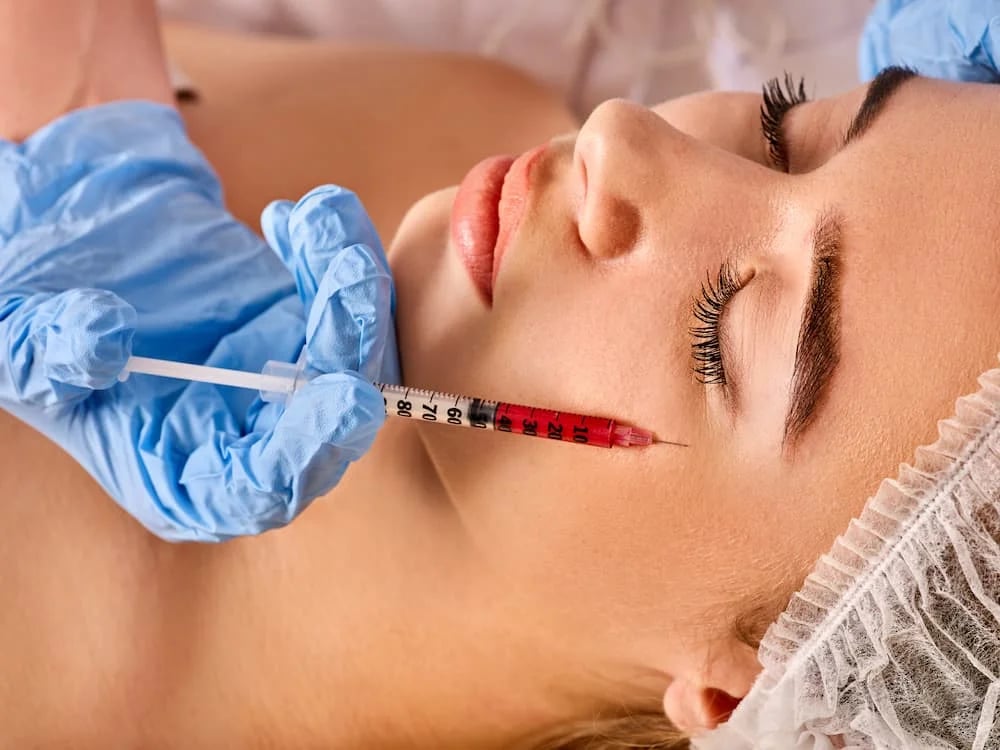

Sparse, thin, or short eyelashes are a common concern, and while mascara and lash extensions offer temporary solutions that require daily upkeep or repeated salon visits, Latisse remains the only FDA-approved prescription treatment clinically proven to actually grow longer, fuller, darker natural lashes over time.
How Latisse Actually Works
Latisse’s active ingredient, bimatoprost, was originally developed as a glaucoma medication and was discovered, somewhat serendipitously, to have a notable side effect: it significantly increased eyelash growth in patients using it. Bimatoprost works by extending the growth phase of the eyelash hair cycle (called the anagen phase) and increasing the number of hairs actively growing at any given time, rather than simply coating or thickening existing lashes the way mascara does. This mechanism is why Latisse produces results that look and feel like genuine lash growth, rather than a cosmetic illusion.
What Results to Expect
Latisse is applied once daily to the base of the upper lash line using the provided applicator, and results develop gradually rather than overnight. Most patients begin to notice initial changes in lash length and fullness around four weeks of consistent use, with full results typically visible by 16 weeks. Clinical studies have shown that consistent use produces lashes that are longer, thicker, and darker, a meaningful, measurable change rather than a subtle placebo effect.
Is Latisse Results Permanent?
Because Latisse works by extending the natural growth cycle of your lashes, results depend on continued use. If treatment is discontinued, lashes gradually return to their original appearance over the course of several weeks to months, as the growth cycle returns to its natural pattern. This is why many long-term Latisse users incorporate it as a permanent part of their nightly skincare routine, similar to how ongoing use is required to maintain results with many other cosmetic treatments.
Who Is a Good Candidate for Latisse?
Latisse is generally well-suited for anyone looking to enhance the appearance of their natural lashes, including:
- Patients with naturally sparse, thin, or short lashes
- Those who have experienced lash thinning due to aging or certain medical treatments
- Patients seeking an alternative to the ongoing cost and maintenance of lash extensions
- Anyone who wants a low-maintenance daily addition to their existing skincare routine
Patients with a history of eye conditions, particularly glaucoma treatment history or certain eye surgeries, should discuss their history with a provider before beginning treatment, since Latisse can, in some cases, cause changes in eye color or eyelid skin pigmentation with long-term use.
What Makes Latisse Different From Lash Serums Sold Over the Counter
The cosmetic and beauty aisle is full of “lash-boosting” serums that promise similar results without a prescription, but Latisse remains distinct for a specific reason: it’s the only product in this category backed by FDA-approved clinical trials demonstrating actual lash growth, rather than relying on conditioning ingredients that may make existing lashes appear temporarily fuller or less brittle. Over-the-counter serums often contain peptides or conditioning agents that can improve lash health and reduce breakage, which is genuinely useful, but they don’t extend the growth cycle the way bimatoprost does. For patients who have tried over-the-counter options without the results they hoped for, this mechanism difference is usually the explanation.
Applying Latisse Correctly
Getting consistent, even results from Latisse depends on correct application technique. The product should be applied only to the upper lash line, using the provided sterile applicator for each eye to avoid cross-contamination, and excess product should be blotted rather than allowed to drip onto surrounding skin, since it can potentially cause hair growth in unintended areas if it spreads. Applying consistently at the same time each evening, ideally as part of an established nighttime routine, tends to produce the most consistent results.
Lashes as Part of a Broader Beauty Routine
Many patients incorporate Latisse alongside other treatments as part of a comprehensive approach to their overall appearance. For patients also interested in facial volume restoration or wrinkle reduction, our Botox special and our Juvederm filler family special address complementary aspects of facial rejuvenation, allowing for a more complete refresh across multiple features.
The Hormonal Connection to Hair Growth
It’s worth noting that hair growth, including lashes, brows, and scalp hair, is influenced by hormonal balance throughout the body. Declining estrogen during perimenopause and menopause, along with thyroid imbalances, can contribute to thinning hair in multiple areas simultaneously, not just on the scalp, a connection our piece on hypothyroidism symptoms covers in more detail. For patients experiencing more widespread hair thinning beyond the lash line, our hormone therapy programs can address the underlying hormonal factors, and our PRP hair restoration treatment offers a targeted option specifically for scalp hair thinning using regenerative technology similar in principle to how Latisse stimulates lash growth.
Ready to Get Started?
Whether you’re addressing naturally sparse lashes or looking to reduce your reliance on extensions and false lashes, our team can help you get started with proper application guidance.
Frequently Asked Questions
How long does it take to see results from Latisse?
Most patients notice initial changes in lash length and fullness around four weeks of consistent daily use, with full results typically visible by 16 weeks.
Are Latisse results permanent?
No. Results depend on continued use, since discontinuing treatment causes lashes to gradually return to their original appearance over several weeks to months.
How does Latisse actually grow lashes?
Latisse’s active ingredient, bimatoprost, extends the natural growth phase of the eyelash cycle and increases the number of hairs actively growing at once, rather than simply coating existing lashes.
Is Latisse safe for everyone?
Most patients tolerate Latisse well, but those with a history of certain eye conditions should discuss this with a provider beforehand, since long-term use can, in some cases, cause changes in eye color or eyelid pigmentation.
Can thinning hair elsewhere be related to the same causes as sparse lashes?
Yes. Hormonal imbalances, including declining estrogen and thyroid dysfunction, can contribute to thinning hair in multiple areas simultaneously, making a broader hormonal evaluation worthwhile for patients with more widespread hair thinning.