Stand directly under a ceiling light and look at your eyes in a mirror. Then walk to a window, face it and look again. Then turn sideways to the window and look a third time. Most people see three different faces, the first tired, the second ordinary and the third rested. The structure did not change in the thirty seconds between mirrors. Only the angle of light did, and light is the cheapest and most overlooked variable in anyone’s judgment of their own eyes. Whatever survives all three lights is structural or pigmentary, and whatever appears only overhead is shadow, which treatment can soften but never remove. In Phoenix, where noon sun makes people squint, the same glare also deepens crow’s feet and the shadow beneath them.
That experiment shows why the word tired is such a poor starting point. It does not say what is happening, and under it sit at least five separate problems with different fixes: a hollow wants volume, a bag wants the opposite, pigment wants neither, thin lids want better skin quality and a heavy brow wants a lift. Treat the wrong one and a face can look worse, or simply be poorer for a procedure that missed its target. What follows separates the five, with a test for each that needs only a mirror, a finger and a phone flashlight, before turning to what actually helps.
Mirror test one: tilt the chin down and watch the hollow
The first problem is a hollow, known clinically as the tear trough or the lid-cheek junction. It is the groove that runs from the inner corner of the eye diagonally down toward the cheek. With age, and in some people as early as the twenties, the fat beneath the eye thins, the bone of the eye socket recedes slightly and the ligament that anchors skin to bone becomes more visible. The result is a trench that catches shadow and reads as dark.
A simple way to look for it is to hold a mirror at chest height and look down into it with the head level, which lets light fall from above. Then tilt the head back slightly and look at the same area. A true hollow looks shallower when the head tilts back, because the light now fills the groove, and deeper when the chin drops. People with a hollow often find that the darkness is less obvious in photographs taken from slightly above than in those taken from below.
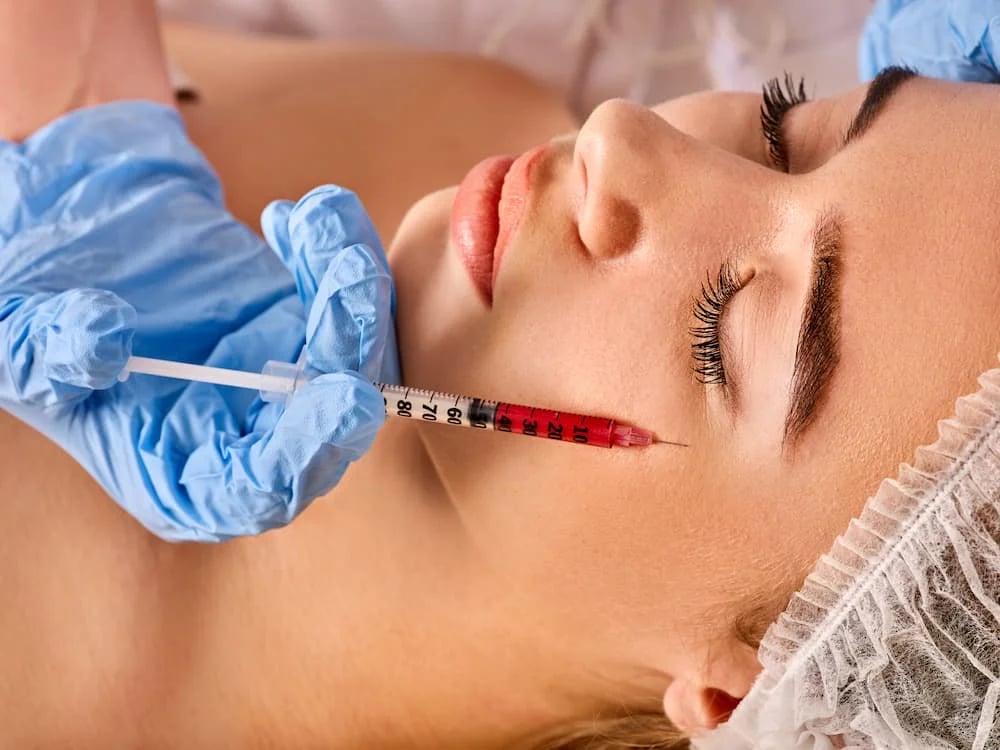
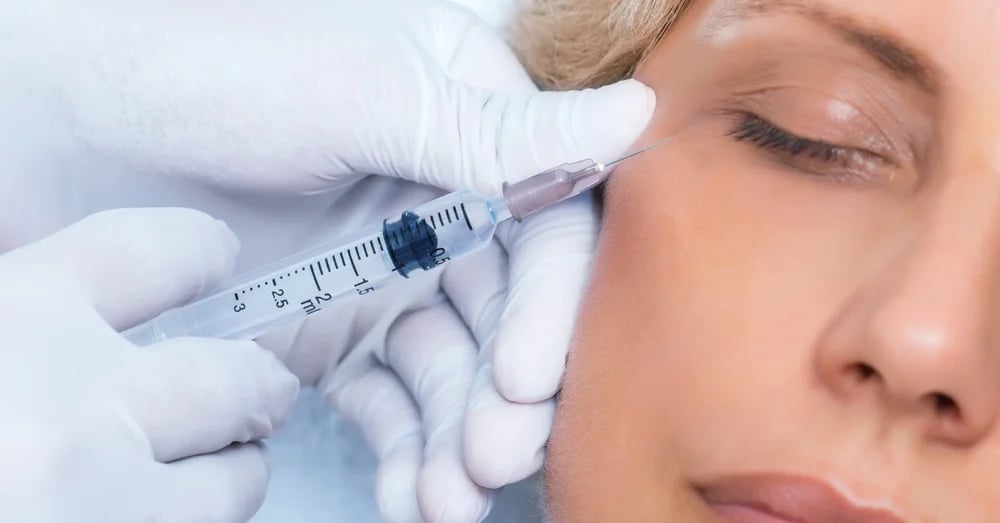
Hollows are the classic use for under-eye filler, in which a soft hyaluronic acid gel is placed in small amounts, often with a blunt cannula, beneath the groove to restore support and soften the shadow. The approach works best on people whose skin is reasonably thick and elastic, whose hollow is the main problem and who have little puffiness above it. It works poorly on people with prominent bags, because adding volume beneath a bulge can emphasize both. The key judgment, which only an examination can make, is whether the person is a good candidate at all.
Mirror test two: smile and look for the bag that moves
The second problem is the bag. Behind the lower eyelid sit pads of fat held in place by a thin membrane. When the membrane weakens, the fat bulges forward, creating a soft convex fullness just under the lashes. This is different from a hollow in almost every way. It looks fuller rather than emptier, and it is often most noticeable in the morning, after a salty meal or after a bad night, because fluid collects there.
Smiling widely or looking up often changes the shape of a bag, because the muscle beneath the eye contracts and pushes it forward. Some people also notice a second, softer ridge lower on the cheek, called a malar mound or festoon, which is related to lymphatic drainage and fluid retention and is among the harder problems in aesthetics to treat.
Genuine fat bags are not something an injection removes. Non-surgical options can modestly improve the appearance of mild bags by tightening the skin above them, and filler placed in the groove beneath can sometimes blend the transition. But a clinician who offers to fix a prominent bag with a syringe alone is promising something that is difficult to deliver. An honest consultation includes a candid statement about what can and cannot be done.
Mirror test three: stretch the skin and see which color stays
The third problem is color. Dark circles are not one condition but at least three. One kind is pigmentary, with a true brown or gray-brown discoloration of the skin, common in people with deeper skin tones, in families where it runs in the genes, after allergy-driven rubbing and after sun exposure. Another is vascular, where thin skin allows the blue-purple of the underlying blood vessels and muscle to show through, typical in people with fair, thin skin. The third is shadow, as in the hollow described above.
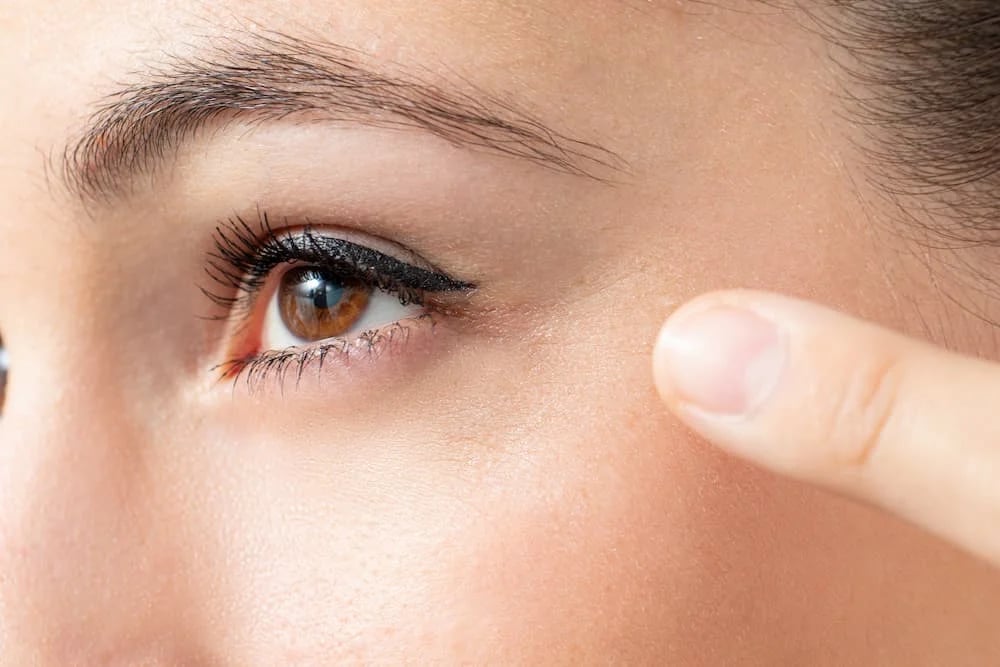
To tell them apart, stretch the lower lid skin gently sideways with a finger while looking in a mirror, without pulling on the eye itself. If the color stays the same, it is likely pigment in the skin. If it fades or the shade shifts from bluish to pinkish, it is more likely vascular. If the darkness changes with light and head position, it is mostly shadow. Many people have a combination, which is why self-diagnosis has limits.
Each type responds to different measures. Pigment often responds to sun protection, to topical ingredients that regulate pigment and, for appropriate patients, to gentle resurfacing, although dark spots elsewhere on the face tolerate chemical exfoliation in ways that thin eyelid skin cannot. Vascular darkening may improve when skin is thickened with collagen-stimulating treatments, including microneedling, which builds dermal thickness and masks the color beneath. Shadow-driven darkness responds to restoring support. A clinician who has looked at which kind it is can aim more precisely.
Treatments aimed at pigment under the eyes are conservative for a reason. The skin there is the thinnest on the body, it is close to the eye and it is prone to rebound darkening if it is irritated. Some of the most aggressive-sounding treatments are the ones most likely to make the shadow worse.
Mirror test four: pinch the lower lid and watch the crinkle
The fourth problem is quality, not shape. Crepey lower lids look like tissue paper or crinkled cellophane, with fine, parallel lines that deepen when the face moves. The skin is thin, dry and slightly loose, and it has lost the collagen and elastin that gave it bounce. The change is common after forty and accelerates with sun exposure, smoking, rapid weight loss and, in women, the hormonal transitions of midlife.
A simple test is to lightly pinch a small fold of skin on the lower lid and let go. Thin, healthy skin snaps back quickly. Crepey skin recoils slowly and leaves a visible texture. A second test is to look at the lid while smiling. If tiny horizontal pleats form in the lower lid with each smile, the muscle beneath is pushing against skin that has lost its resilience.
Nothing fills crepey skin, and filler can make it worse by adding weight to a surface that cannot hold it. The treatments that help work on the skin itself. Collagen-stimulating approaches such as microneedling, which uses fine needles to trigger repair, and radiofrequency energy, which heats the deeper layers and tightens, can improve texture and thickness gradually over a series of sessions. PRP, platelet-rich plasma prepared from the patient’s own blood, is often combined with microneedling for its role in supporting healing. Skin boosters such as SkinVive hydrate and smooth the surface and can complement structural treatments. Results are cumulative and subtle, and they depend on starting quality and on sun protection afterward.
Mirror test five: lift the brow with one finger
The fifth problem is above the eye, and it is easy to miss because the person is looking at the area below. As the brow descends with age, it loads the upper lid with extra skin, creates a hooded look, shadows the eye and makes the whole region look heavy. Some people mistake the sense of heaviness for a sleep problem or for an issue with the lower lid.
To check, look straight ahead in a mirror and relax the face, then place a finger just above the outer third of the eyebrow and lift gently. If the eye suddenly looks more open, brighter and less tired, the brow is part of the picture. Compare the distance from the brow to the lash line on both sides, because many faces are asymmetric, and one heavier side can cause an uneven look.
Botox can influence brow position. By relaxing the muscles that pull the brow down, in particular the outer part of the muscle that circles the eye and the muscles between the brows, a clinician can allow the brow to rest slightly higher, and that is how a Botox brow lift works. The effect is modest, typically a few millimeters, and it depends on placement and dose. Done poorly, the same injections can make a brow heavier, which is why anatomy and restraint matter. Botox works best when brow descent is caused by muscle activity rather than significant skin laxity, and for mild to moderate cases PDO threads can create a subtle elevation that opens the eye area.
Morning against evening: what a bag does between seven and seven
Fluid and fat behave differently over a day, and that difference is a free diagnostic. Take one photograph at seven in the morning, soon after getting up, and another at seven in the evening, in the same spot and light. A bag that is fullest in the morning and has shrunk by evening is mostly fluid, and the cause is likely salt, sleep position, allergies or a thyroid issue, not a fat pad. A bag that looks the same at both times is more likely to be fat or structure. Puffiness that is clearly worse after a salty dinner or a night of poor sleep and better after a few days of care points the same way.
The practical value is in what not to do. A fluid bag treated as if it were fat can lead to treatment aimed at the wrong target, and a hollow that looks deeper by evening, when fluid has drained, may be a hollow that was partly hidden by morning swelling. Two photographs a day for a week tell more than any single mirror session.
Different faces, different starting points: skin tone, genetics and thickness
The same hollow, the same shadow and the same dark circle can mean different things on different skin. People with deeper skin tones are more prone to pigment-driven dark circles and more likely to darken further if the area is inflamed by a harsh product or procedure, so gentleness is a medical requirement and not just a courtesy. People with fair, thin skin more often show a vascular blue-purple shadow, because the vessels and muscle show through. Families matter, since periorbital pigment and early hollowing often run in them, which helps explain why a person in their late twenties can have a pronounced under-eye shadow that no sleep schedule fixes.
Skin thickness decides the technique. Thicker, more elastic skin hides a small amount of filler well, whereas very thin skin shows every irregularity and the bluish tint of superficial product. A clinician who asks about family history, past treatments, sun habits and how the area behaves through the day is not making conversation. Each answer changes what is safe and what is likely to help.
Rubbing, wipes, screens and lenses: the small habits that darken and thin lids
Some of what shows up around the eyes is mechanical. Chronic rubbing, whether from allergies, dry eyes or habit, irritates the skin and can leave lasting pigment, and the effect is stronger on deeper skin tones. Harsh makeup removal, with firm dragging on the lid and abrasive wipes, thins and inflames skin that is already the thinnest on the body. Contact lens wear and long hours at a screen reduce blinking, which dries the surface and invites more rubbing. None of these is dramatic on its own, and together they can account for a surprising share of what is blamed on age.
The correction is plain. Treat allergies and dry eyes so the rubbing stops, remove makeup with a soft pad and a gentle cleanser using a press-and-hold instead of a drag, and keep to a gentle skincare routine around the eyes, with sunscreen and a bland moisturizer doing most of the work. Patients who change these habits before any procedure often find that the picture looks different, and a clinician who sees the improvement can then judge what is really left to treat.
Why one eye looks worse than the other
Almost no one is symmetric, and the eye area shows it more than most places. A person who sleeps on the same side every night may carry more fluid and a deeper crease on that side. A dominant eye tends to squint more, and a driver’s left side catches years of extra sun through a car window, a pattern dermatologists see so often that it has a name in the literature. The brow on the side of a habitual head tilt can sit lower, and the lid on that side looks heavier.
Asymmetry is therefore usually benign, and a good clinician will photograph both sides and decide which differences are worth addressing. Treating one side more than the other is common and sensible, and aiming for exact matching is not. A modest difference that a close friend would never notice rarely justifies treatment, whereas a visible difference that changes how the eyes open may deserve a careful look.
Sudden or one-sided changes are a different matter. New swelling around one eye, bulging, double vision, pain or a change in how the lid sits should be evaluated medically before any cosmetic step, since thyroid-related eye disease, infections, sinus problems and other conditions can first appear that way. Fatigue, weight change or temperature intolerance alongside puffy lids is a reason to have blood work first, since underactive thyroid function can puff both lids evenly.
Sun spots that are clearly heavier on one cheek than the other are worth noting too, since they often reflect a lifetime of one-sided exposure from a window or a habit of sitting on one side of a patio. These brown patches can sometimes be addressed with IPL when appropriate, and the clinic will plan around eye protection and the thin skin at the lid margin.
Matching the tool to the cause: what fills, what tightens, what smooths, what lifts
With the five problems separated, the pattern of treatment becomes clearer. A hollow is a volume problem and is addressed with volume. A bag is a fat or fluid problem and, in mild cases, is addressed by tightening the skin. Pigment is a color problem, addressed with sun protection, topical treatment and cautious resurfacing. Crepey skin is a quality problem, addressed with collagen stimulation and hydration. A heavy brow is a position problem, addressed with muscle relaxation or lifting.
The error that drives most disappointment is using the wrong category. Filler for crepey skin, resurfacing for a hollow, a pigment treatment for a vascular shadow, a stronger treatment because a gentler one did not work. In each case the treatment was real, and the diagnosis was off.
Many people have two or three of the problems at once, which is why an experienced clinician usually rates them. Which one, if corrected, would make the most visible difference? Which are mild enough to leave alone? A sensible plan often tackles one primary issue, waits to see how the face responds and then decides whether more is needed, rather than treating every observation simultaneously.
The eye area is a risk zone, and that shapes everything
The delicate anatomy around the eye is the reason that treatments here are done carefully, in small amounts, by clinicians who do them often. The skin is thin, the blood vessels are close to the surface, and some of them connect, through a network of small branches, to the circulation of the eye. A rare but serious complication of filler anywhere on the face is the blockage of a blood vessel, and the region around the eyes is one where the consequences can be most serious, including problems with vision.
That is the reason clinicians choose techniques, products and depths with great care, and why patients should seek out experienced providers for the area. It is also the reason to know the warning signs after any filler treatment: severe or escalating pain, skin that turns white, gray or mottled, and any change in vision are emergencies that require immediate contact with the clinic and, for visual symptoms, urgent medical care. These problems are rare, and the vast majority of eye-area treatments pass without incident, but they are the reason that price and convenience should never be the main criteria.
Bruising and swelling are the common effects, and under the eyes they can be conspicuous. Swelling under the eyes after filler can persist for days to weeks in some people, and the area is slow to drain. Planning treatment well ahead of an important event and avoiding blood-thinning supplements beforehand are sensible measures.
Allergies, sleep, salt and thyroid: the causes no injection fixes
Not every tired eye is structural. Allergic rhinitis, common in the Valley during spring bloom and during dust seasons, causes congestion and rubbing that darken and puff the lower lids, an effect sometimes called allergic shiners. Treating the allergy, and avoiding rubbing, can produce improvements that no procedure would.
Sleep matters, though less than people fear. A few poor nights make a person look more tired, but chronic short sleep, or fragmented sleep from snoring and sleep apnea, has more lasting effects on skin tone, puffiness and fluid balance. A thoughtful look at whether you are getting good sleep, and whether a partner has noticed snoring or breathing pauses, can change the plan completely. And alcohol, salty meals and late nights all contribute to morning puffiness that clears by midday.
Hormonal and metabolic conditions also show up around the eyes. Underactive thyroid function causes puffiness and dry, coarse skin, and may thin the outer part of the eyebrows. Iron deficiency can make lower lids look pale and shadowed. Chronic fluid retention, kidney conditions and certain medications can all cause lower lid swelling. If eyes have changed suddenly, if there is swelling that is persistent, one-sided or painful, or if there are other symptoms such as fatigue, weight change or cold intolerance, a medical evaluation should come before a cosmetic one.
Phoenix eyes: sun, dust, dry air and the sunglasses habit
The climate in the Valley is hard on this region. Strong ultraviolet light drives pigment and breaks down collagen, dry air accelerates water loss from thin skin and wind and dust irritate eyes and encourage rubbing. Squinting in bright light creates repeated folding of the same skin, and over years the folds become lines.
The most effective measure is also the cheapest. Wearing large, wraparound sunglasses with proper UV protection, and a broad-brimmed hat, reduces both squinting and sun damage, and applying a mineral or broad-spectrum sunscreen made for the eye area helps, though people with sensitive eyes should choose carefully. At home, hydration-focused treatments such as SkinVive can help in the dry months, and a gentle barrier-supporting moisturizer, and an eye cream with ingredients such as peptides, ceramides or, for tolerant skin, a mild retinoid used cautiously, can support the thin skin.
For treatments, timing matters in the desert. Energy-based and resurfacing treatments near the eyes are better scheduled in the cooler months, when sun exposure is lower, and a plan that follows the seasons, much like a Phoenix skin calendar, fits treatments into the periods when healing is easiest. Brown patches from sun that appear on the cheeks and around the eyes can sometimes be addressed with light-based treatment when appropriate, with the caveat that treatments close to the lid margin need special care and eye protection.
What each fix asks of you: downtime, staying power and number of visits
The treatments differ as much in what they ask of a person as in what they do. Hyaluronic acid under the eyes involves no significant downtime, with temporary swelling, redness or bruising in some people, and a result that tends to last longer here than in many other facial areas, usually 9 to 18 months, though this varies with the product, metabolism and lifestyle. A small neuromodulator dose for crow’s feet or brow position takes about two weeks to show and lasts around three to four months before it needs repeating.
Skin-quality treatments run on a different rhythm. A course of microneedling or radiofrequency is typically a series of sessions several weeks apart, each with a few days of redness and dryness, and the improvement builds over months instead of days before needing periodic maintenance. PRP follows the same logic because it is usually paired with microneedling. Peels and pigment treatments near the eyes are slow and cautious by design, and the first visible change can be weeks away.
That pattern is the real reason to choose the right category first. A person who needs skin quality and books a single filler visit will see a quick change that misses the point, and a person who needs a hollow supported and signs up for a six-month skin series will wait for something that was never going to arrive.
When two causes overlap: which one gets treated first
Most faces are mixed. A forty-eight-year-old might have a mild hollow, a little crepiness, a brow that has dropped two millimeters and a shadow that is half vascular and half structural. Treating all of it at once would be an expensive and risky experiment, and no clinician can know in advance which change will matter most to how the person looks.
A common sequence begins with the problem that is easiest to reverse and most visible. A Botox treatment to rebalance the brow and soften pleating can be done first, because it is reversible and its effect appears within two weeks. Skin quality treatments come next, because they build slowly and benefit from time. Volume in a hollow is often placed last, once the surrounding skin and brow are settled, since filler placement depends on the final shape of the structures around it. Each step is judged before the next is chosen.
Patience is part of the method. The temptation to add more at each visit is strong, and a clinician who suggests waiting, photographing and reassessing is usually protecting the patient from a face that looks processed.
Frequently Asked Questions
Why do I look tired even when I sleep well?
Often the cause is structural or related to light and skin quality rather than sleep. Hollows under the eyes, fat bags, pigment or vascular shadow, thin crepey lids and a low brow can each create a tired look, and overhead light exaggerates all of them.
How can I tell if I have a hollow or a bag?
A hollow is a groove that looks deeper when the chin drops and shallower when the head tilts back. A bag is a soft bulge just under the lashes that often looks fuller in the morning or after salty food. Many people have a bit of both.
Will under-eye filler fix dark circles?
Only if the darkness comes from a hollow that casts shadow. Pigmented or vascular dark circles generally need other approaches, and filler placed under thin skin or beneath a bag can look worse. An examination determines whether you are a good candidate.
How do I tell if my dark circles are pigment or blood vessels?
Gently stretch the lower lid skin sideways. If the color stays the same, it is probably pigment. If it fades or changes from bluish to pinkish, it is more likely vascular. If it changes with light and head position, it is mostly shadow.
How are eye bags treated?
Mild bags may improve with treatments that tighten the skin, and filler is sometimes used to blend the groove beneath. Prominent fat bags are difficult to change with injectables, and a clinician should say so plainly.
What helps crepey skin under the eyes?
Collagen-stimulating treatments such as microneedling and radiofrequency, PRP and hydrating skin boosters can improve texture and thickness gradually. Filler is not suited to crepey skin and can add weight to it.
Can Botox lift a heavy brow?
Botox can allow the brow to sit a few millimeters higher by relaxing muscles that pull it down. The effect is modest and depends on placement and dose, and it works best when the droop comes from muscle activity rather than significant skin laxity.
Are treatments around the eyes risky?
The area has thin skin and delicate blood vessels, and rare complications from filler can affect vision. Choose an experienced provider, and seek immediate help for severe pain, white, gray or mottled skin, or any vision change after filler.
How many problems can I treat at once?
Many faces have two or three overlapping causes, and a staged plan is usually safer. A clinician often starts with the most visible and reversible issue, such as brow position or skin quality, and reassesses before adding volume.