Most people choose a facial the way they choose a restaurant dish from a menu they only half understand. They recognize a name from social media, they hear that a friend loved it, and they book it. Then the skin looks good for three days, or does not look different at all, and the conclusion is that facials are overrated. Often the treatment was fine and the match was wrong. A device that is excellent at lifting oil and debris from congested pores will do little for the flat, tired look of skin that is simply overdue for exfoliation, and a blade that clears dead cells and fine facial hair in minutes will not touch the deep blackheads that sit in the nose creases.
This guide approaches the question from the other direction. Instead of describing each treatment in isolation, it starts with the things people actually notice in the mirror, and works backward to the treatment that addresses that specific thing. DiamondGlow, HydraFacial and dermaplaning are three of the most requested options in Phoenix right now, and they overlap just enough to be confusing. Understanding what each one physically does to the skin surface makes the choice much easier, and it also makes it obvious when none of the three is the right answer.
Start with the mirror, not the menu
Before comparing equipment, it helps to name the complaint in plain language. People tend to describe the same handful of problems with different words. “Dull” and “tired” usually mean that a layer of dead cells is sitting on the surface and scattering light instead of reflecting it. “Rough” or “bumpy” often means a combination of that layer and small plugged follicles that have not yet turned into visible blackheads. “Congested” means pores holding a mixture of oil, keratin and debris. “Makeup looks cakey” is frequently a texture issue, partly dry flakes and partly fine vellus hair that traps product. “Uneven” can mean pigment, which is a different problem entirely and not something a surface facial fixes on its own.
Writing down the one or two things that bother you most before an appointment changes the quality of the conversation with an esthetician. A client who says “I want a glow” gets a general facial. A client who says “my forehead feels rough and my makeup grabs on my cheeks by lunch” gets a plan. The licensed estheticians at a medical practice are trained to read skin type, sensitivity, medications and recent treatments together, and a precise complaint gives them something concrete to match.
It also helps to be honest about a second variable, which is how much downtime and how much maintenance you realistically want. All three treatments discussed here sit at the gentle end of the spectrum. Skin may look slightly pink for a few hours, or feel a little tight, but none of them is designed to make you hide at home. That makes them suitable for the large group of people who want visible improvement without planning their week around it.
What DiamondGlow actually does
DiamondGlow is a multi-step facial that works in a single pass. A handheld device with a diamond-tipped surface exfoliates the top layer of dead skin cells, while a built-in vacuum draws loosened debris and oil out of the pores at the same moment. A serum is then delivered to the freshly exfoliated surface in the same motion, so that treatment and infusion happen together instead of in separate stages. The practice’s own page on the DiamondGlow service at the practice lists the formal steps, and the earlier post on five benefits of DiamondGlow goes into the day-to-day results people tend to notice.
The mechanical principle is worth understanding because it explains who does well with it. Exfoliation with diamond tips is controllable. The operator can use a finer tip for sensitive or thin skin and a coarser tip for thicker, oilier areas, and can move slowly over problem zones such as the sides of the nose or the chin. That adjustability is the main reason it suits so many different skin types. The vacuum component provides extraction, which is useful for clearing the early stage of congestion before it becomes a blemish.
What it is not is a resurfacing treatment in the sense of a peel or a laser. It removes the outermost layer and clears the pores, and it delivers topical ingredients more effectively than rubbing them on, but it does not remodel collagen or lift deep pigment. People are sometimes disappointed when they expect the result to behave like a medical-grade peel after a single visit. The fair expectation is smoother, brighter, more even-feeling skin, with a result that fades gradually as the surface renews itself over the following weeks.
What a HydraFacial does differently
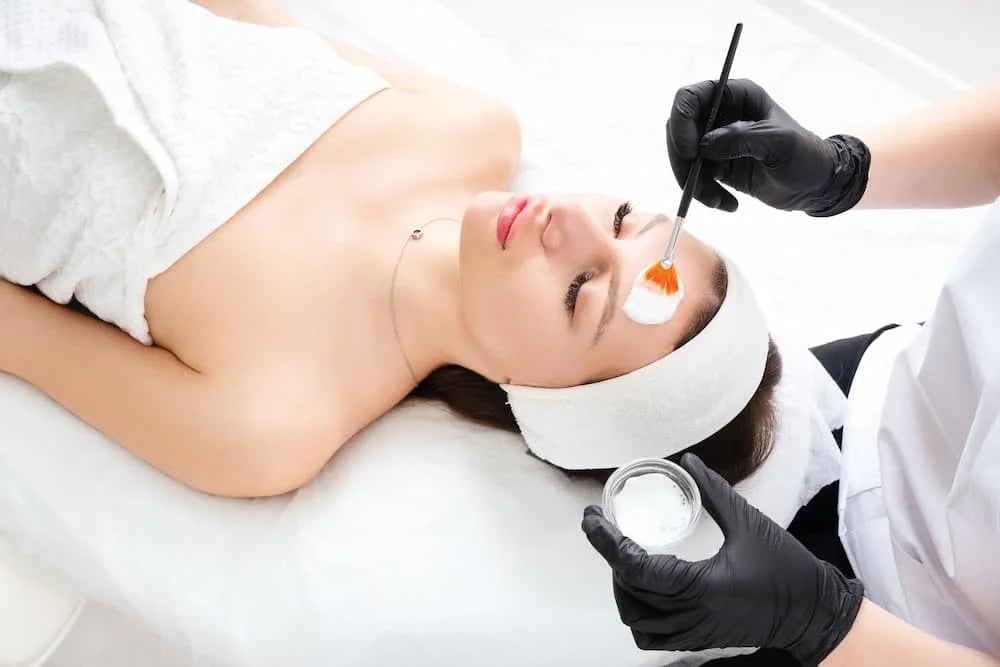
A HydraFacial is built around fluid rather than abrasion. A single hand piece moves across the face and uses a vortex of liquid and suction to cleanse, dissolve debris and pull it out of the pores. Most protocols include a gentle acid step to loosen the surface, an extraction step for congested areas and a final infusion of hydrating or antioxidant serums. The promise is a clean, plumped, hydrated finish with no scrubbing sensation. The practice describes how it approaches the treatment on the HydraFacial option, and the choice of booster serum at the end can be tailored to concerns such as dehydration, dullness or early fine lines.
The distinguishing feature is hydration. Because the delivery of the cleansing and serum phases is liquid, the skin often looks more visibly plump immediately afterward than it does after an abrasive method. This makes it a favorite for dry, dehydrated or sensitive complexions and for anyone heading to an event the same week. It is also well suited to people who find manual exfoliation irritating. Gentle acids are doing part of the work that a diamond tip would do mechanically.
Its limits mirror its strengths. Because it relies on liquid and gentle chemistry, it is a lighter touch on thick, rough or heavily keratinized skin than a mechanical exfoliation. If your main complaint is a gritty, uneven surface rather than dryness, a diamond-tipped approach or a more active peel often moves the needle further. That is not a flaw. It is simply the reason the right facial depends on the right complaint.
What dermaplaning actually removes
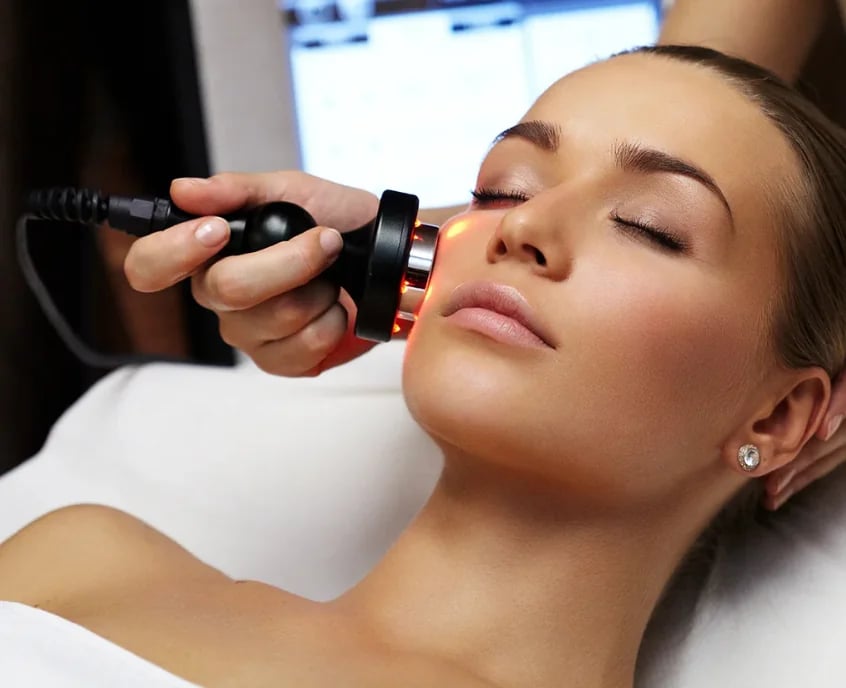
Dermaplaning is the most misunderstood of the three because the name sounds like a high-tech device and the technique is actually manual. A trained esthetician holds the skin taut and uses a sterile single-use surgical blade at a shallow angle to glide across the surface. The blade lifts away the top layer of dead skin cells and the fine, pale vellus hair, often called peach fuzz. The entire treatment usually takes a fraction of the time of a full facial, and the result is felt immediately, since the skin has a soft, almost polished feel.
Two things make it distinctive. First, the effect on makeup and skincare is immediate. Without a layer of dead cells and fine hair in the way, foundation sits flatter and serums make better contact with the skin. Second, it is entirely mechanical, so it needs no acids, no suction and no downtime. A dermaplaning appointment fits into a lunch break.
The most persistent myth is that the hair grows back thicker or darker. It does not. Vellus hair is cut at the surface, which leaves a blunt tip that can feel stubbly for a few days as it grows out, but the follicle itself is unchanged, and so are the hair’s color and density. Dermaplaning also does nothing for the dark terminal hairs of the chin or upper lip, which are a separate issue handled by other means, and it is not suited to active acne, broken skin, sunburn or sensitized skin after strong treatments. Because it is a blade technique, it should be done by a licensed professional rather than attempted at home with a razor.
The three side by side
| Treatment | How it works | Best for | Less suited to |
|---|---|---|---|
| DiamondGlow | Diamond-tipped exfoliation with vacuum extraction and serum infusion in one pass | Dull, rough or congested skin, texture, oily and combination skin | Active irritation or very reactive skin that cannot tolerate abrasion |
| HydraFacial | Fluid cleansing with gentle acid, suction extraction and serum infusion | Dehydrated, sensitive or dry skin, event preparation | Thick, heavily textured skin that needs stronger exfoliation |
| Dermaplaning | Sterile blade removes dead cells and fine vellus hair | Peach fuzz, makeup that will not sit smoothly, product absorption | Active acne, irritated skin, dark coarse hair |
This table is a starting point rather than a rulebook. Real skin is mixed. A person can have an oily T-zone, dry cheeks, a few congested pores near the nose and fuzz along the jaw, and an experienced esthetician will often combine approaches or choose the one that deals with the biggest issue first.
If your complaint is dullness
Dull skin is rarely a problem of what is in the skin and nearly always a problem of what is sitting on top of it. A buildup of dead cells makes the surface scatter light, and the usual causes are age, sun exposure, dryness and a skincare routine that does not exfoliate enough. Desert climates make this worse. Low humidity pulls moisture from the surface, the outer layer becomes dry and flaky, and the skin looks flat and gray even when it is otherwise healthy.
For dullness, either DiamondGlow or dermaplaning is usually the most direct fix. Diamond exfoliation removes the layer systematically and then pushes in a brightening or antioxidant serum while the surface is receptive. Dermaplaning removes the same layer along with fine hair and is particularly effective at making makeup glow instead of sit on a dry surface. A HydraFacial works too, particularly when the dullness is partly dehydration, because the hydrating finish immediately makes the skin look fuller. People often report that their skin looks more luminous within an hour, and the improvement tends to hold for a couple of weeks before surface cells start accumulating again.
If dullness comes with a yellowish or blotchy look, it is worth asking whether sun damage or pigment is involved. In that case a surface treatment will help but will not finish the job, and a layered plan using a peel or light-based treatment gives a more meaningful result. That is covered further in the section on pigment below.
If your complaint is clogged pores and blackheads
Congestion is a mixture of sebum, keratin and debris trapped inside the pore opening. When the plug is exposed to air, it oxidizes and turns dark, which is why blackheads look black. They are not dirt. This matters because scrubbing harder does not clear them. The plug sits below the surface, and what clears it is a combination of loosening the material and then pulling it out.
For congestion, DiamondGlow and HydraFacial are both strong because both include extraction, but they handle it differently. The vacuum on a diamond-tipped device works while the skin is being exfoliated, which tends to be effective for the stubborn plugs that sit in the nose and chin. A fluid-based approach combines a gentle acid with suction and is gentler on reactive skin, though it may take a series of visits to fully clear very dense congestion. Dermaplaning is not a congestion treatment. It removes surface cells, but it does not extract pores, so it is a mistake to book it for blackheads.
For persistent congestion, the underlying driver matters. Hormonal fluctuations, heavy occlusive skincare and makeup, and skipped cleansing all feed the cycle. A series of facials spaced a few weeks apart, combined with a home routine built around a gentle cleanser and an exfoliating ingredient the esthetician recommends, tends to produce the cleanest results. The practice’s piece on skincare between aesthetic treatments is useful reading for exactly this point, because what happens at home between appointments determines whether the clearing sticks.
If your complaint is peach fuzz and makeup that will not sit
Many people do not realize that vellus hair is the reason their foundation looks textured. Fine hair catches powder and cream products, and the combination of fuzz and dry cells creates a surface that looks slightly dusty by midday. This is the situation dermaplaning was effectively made for.
A dermaplaning appointment removes both layers at once. The immediate effect is a smooth canvas, and it also lets topical products absorb more evenly. Many people schedule it in the days before a photo, an event or a trip because the result is visible and quick. It pairs well with a hydrating facial in the same visit or the one after, since removal of the surface layer makes the hydration step more effective.
There are a few honest caveats. The results last until the hair and surface cells return, typically a few weeks, which is why maintenance is a recurring decision rather than a one-time one. It is not recommended during an acne flare, over irritated or newly peeled skin, or right after strong retinoid use without checking with the esthetician first. And for those with deep dark hairs on the jaw or chin, laser hair removal is a more lasting route than any blade, which is a different conversation altogether.
If your skin is dehydrated, oily or both
Dehydrated skin and dry skin are not the same thing. Dryness refers to a lack of oil. Dehydration is a lack of water, and it can happen in oily skin as well, which is why some people have a shiny T-zone and tight, papery cheeks. In Arizona’s dry climate, dehydration is extremely common, and it can be mistaken for aging because a thirsty surface makes fine lines look deeper.
For this complaint a HydraFacial usually has the edge because the finishing infusion visibly plumps the surface. It is gentle enough for sensitive skin and does not depend on aggressive scrubbing. DiamondGlow can also work well, especially when the esthetician chooses a hydrating serum for the infusion step and uses a lighter tip. The mistake to avoid is over-exfoliating dehydrated skin. A barrier that is already compromised does not need more stripping, it needs hydration and protection, and a good treatment plan accounts for that.
Oily and combination skin respond well to DiamondGlow in particular, since the exfoliation and extraction directly address the oil and congestion that characterize it. Some oily skin is also dehydrated, in which case a facial with a hydrating finish prevents the rebound oil production that happens when skin is stripped.
If your complaint is dark spots or uneven tone
Pigment is where facial expectations most often go wrong. Sun spots, melasma, post-acne marks and general unevenness involve melanin deposited within the skin, and a treatment that works on the surface will lighten them only slowly and only partly. Regular facials can help by speeding turnover, so that pigmented surface cells are shed faster, and a brightening serum can support that. But it would be misleading to promise that a DiamondGlow or HydraFacial will erase a stubborn patch.
When pigment is the main concern, the more effective options are in a different category. A chemical peel penetrates deeper and loosens pigmented cells in a controlled way, and the practice’s guide to chemical peels for dark spots explains how peels are selected and sequenced. A light-based option such as a laser photofacial targets pigment directly. For melasma specifically, caution matters, because heat and aggressive treatments can make it worse. That is a case for a consultation rather than a guess.
A reasonable approach for many people is to use gentler facials for maintenance and glow while a peel or light-based series addresses the pigment. Facials and peels are complementary rather than competing, and the timing between them is worth planning. The next section covers how to sequence them.
If your skin is sensitive, acne-prone or very young
Sensitive skin needs a plan with fewer variables. If you flush easily, have been diagnosed with rosacea or react to new products, the safest first facial is the gentlest one, which typically means a fluid-based hydrating treatment with no strong acid step, or a light diamond exfoliation on the finest setting. Dermaplaning is generally avoided in active rosacea flares because of the friction and the risk of irritation, but may be possible in quiet periods with the esthetician’s guidance.
Acne-prone skin benefits from extraction and exfoliation but not from aggression. Active inflamed breakouts should not be scraped or scrubbed, and dermaplaning is not appropriate over them. During a flare, a calming, antibacterial or clarifying facial that avoids picking and over-treatment is preferable, and a series is usually more productive than a single deep session.
Younger skin is its own category. Teenagers benefit from gentle, education-focused care rather than adult anti-aging protocols, which is the premise behind custom teen facials at the practice. A consistent home routine, sunscreen and a facial matched to the skin’s actual needs go further than intensive procedures at that age.
Timing facials around injectables, peels and big events
Facials are not stand-alone events in most people’s lives. They tend to be layered with injectables, peels, laser treatments and travel, and the order matters. The general principles are simple. Gentle exfoliation before injectables is usually fine, but vigorous extraction right before filler is not ideal, because bruising and tenderness add up. Many clinics prefer to schedule facials either well before an injectable visit or some days afterward, depending on the treatment. The practice’s spacing guide for combined treatments sets out how far apart different services should typically be, and it is worth checking before booking two appointments in the same week.
Peels need special attention. Skin that has just been peeled is sensitized and should not be exfoliated mechanically. If a VI Peel is on the calendar, the best preparation is to follow the instructions on how to prepare for a VI Peel and to avoid dermaplaning or diamond exfoliation in the days immediately before, as the esthetician directs. Afterward, the VI Peel aftercare guide describes the weeks of peeling and the sun precautions that follow. Layering a facial on top of that recovery window is rarely wise. For readers weighing two resurfacing options, the comparison of a VI Peel and microneedling lays out how those deeper treatments differ from a facial.
For events, the most reliable plan is a facial about a week before. That is long enough for any pinkness or sensitivity to settle and short enough that the glow is still at its peak. A dermaplaning appointment can be a good last-minute exception, since it has no real downtime, but even then a few days of buffer is wise. Avoid trying anything new within forty-eight hours of a major event.
How often to repeat, and what to do at home
Surface renewal in adults takes roughly a month, give or take, which is why a monthly interval is a common rhythm for maintenance facials. Dermaplaning is often repeated every three to four weeks, in step with how quickly dead cells and fine hair return. People with specific goals, such as clearing congestion, may begin with closer spacing and then taper once the skin is stable. The right interval is individual, and a good esthetician adjusts it as the skin responds.
What happens between visits matters as much as the visits. A sensible routine includes a gentle cleanser, a moisturizer suited to the skin type, and sunscreen worn daily, rain or shine. In Phoenix, with its intense ultraviolet exposure, sunscreen is the single habit that protects the result of every facial and every pigment treatment. Exfoliating ingredients such as retinoids and acids should be introduced carefully and often paused for a few days around a treatment, following the esthetician’s instructions. Picking at the skin after extraction, or using harsh scrubs the same week, can undo a good appointment.
Expect a mild reaction in the first day. Slight pinkness and a tight feel are common after exfoliation, and they usually settle within hours. Skin may look a little drier on day two or three as the surface renews, which is a sign to moisturize, not to exfoliate harder. Real warning signs are rare with these treatments, but blistering, severe burning, swelling or signs of infection should prompt an immediate call to the clinic.
Common myths that lead to the wrong booking
A few beliefs lead to disappointment more than any others. One is that more aggressive always means better. Over-exfoliation damages the barrier, triggers redness and breakouts, and can leave the skin looking worse for a week. Another is that a single treatment will change the skin permanently. Skin is a renewing organ, and the benefits of any facial fade as it renews. Consistent care is what makes results build rather than one dramatic session.
A third is the idea that if you can afford only one treatment, you should pick the one with the most buzz. The better decision rule is to match the treatment to the complaint and the skin type. A HydraFacial for someone with rough, thick, congested skin may be pleasant but underwhelming, while DiamondGlow for someone with fragile, flushed, dehydrated skin may be more than necessary. The last common myth is that facials replace medical treatment. They complement it. Persistent acne, melasma, rosacea or unusual skin changes deserve a proper evaluation, not a monthly facial in place of one.
What a good consultation sounds like
A thoughtful appointment begins with questions, not equipment. Expect to be asked about your current products, any prescription topicals, recent injectables, peels or laser treatments, your sun exposure, whether you tend to scar or pigment, and any history of cold sores, since some treatments near the mouth can trigger a flare. These are not formalities. Each answer changes what is safe and what is likely to work.
It also helps to ask a few questions of your own. What is the one thing this treatment will do well for my skin, and what will it not do? How should I expect my skin to look tomorrow and in two weeks? Which treatment would you do first if I wanted both a glow and a pigment plan? What should I avoid at home, and for how long? A provider who answers plainly, including saying when a different service would serve you better, is a good sign.
The practice’s licensed estheticians bring different training to these questions. Morgan Oshanyk is a licensed medical esthetician with training that includes microneedling, PRP, laser hair removal and skin rejuvenation, and Mariah is a licensed esthetician and certified laser technician with a holistic esthetics background. Meeting the person who will actually perform your treatment, rather than being matched by menu name, is the simplest way to avoid the wrong booking. The full facials menu shows everything on offer in one place.
Putting it together
If you want one quick takeaway from all of this, it is that dull and rough skin points toward DiamondGlow, dehydrated or sensitive skin points toward a HydraFacial, and peach fuzz or makeup that will not sit points toward dermaplaning. Congestion favors the treatments that include extraction. Pigment needs a peel or light-based plan alongside, and active acne or rosacea needs a gentler and more individual approach. Many people end up rotating between two of the three across the year, using one for deep clearing and another for event preparation.
The simplest next step is to describe your skin concern to the team and let them match it. If you are unsure where to start, a short conversation is cheaper and kinder to your skin than guessing. You can schedule a consultation to talk through your skin type, your calendar and what you want to see in the mirror, and leave with a plan instead of a guess.
Frequently Asked Questions
Which is better, DiamondGlow or HydraFacial?
Neither is universally better. DiamondGlow is stronger for dull, rough or congested skin because it combines mechanical exfoliation, vacuum extraction and serum infusion. HydraFacial tends to suit dehydrated or sensitive skin better because its fluid-based cleansing and hydrating finish are gentler. The better choice is the one that matches your main complaint and skin type.
Does dermaplaning make hair grow back thicker?
No. Vellus hair is cut at the surface, which leaves a blunt tip that can feel stubbly for a few days, but the follicle, hair color and density do not change. Dermaplaning does not affect coarse dark hairs on the chin or jaw, which respond to laser hair removal instead.
How often should I get a facial in Phoenix?
Many adults do well with a facial roughly every four weeks, which fits the natural renewal cycle of the skin. Dermaplaning is often repeated every three to four weeks. Dry desert air can speed surface buildup, so some people repeat slightly sooner. Your esthetician can adjust the interval based on how your skin responds.
Can I combine dermaplaning with another facial?
Yes, many people have dermaplaning at the start of a hydrating or infusion-style facial because removing dead cells and fine hair helps serums reach the skin. It should be avoided over active breakouts or irritated skin, and your esthetician will decide whether combining them is appropriate on the day.
Is there downtime after DiamondGlow, HydraFacial or dermaplaning?
Downtime is minimal for all three. Mild pinkness, a tight feeling or slight dryness for a day is common, and makeup can usually be worn the same day or the next, depending on the treatment. Strong sun exposure should be avoided, and sunscreen should be used daily.
Will a facial help with dark spots or melasma?
Facials can support brighter-looking skin by speeding surface turnover, but they do not reliably lighten established pigment. Dark spots and melasma usually need a peel, light-based treatment or prescription plan. Melasma in particular can worsen with heat or aggressive treatment, so it deserves a consultation first.
Can I get a facial if I have rosacea or sensitive skin?
Often yes, with the gentlest option and a careful plan. A hydrating, fluid-based facial or a very light exfoliation is usually preferred. Dermaplaning is generally avoided during active rosacea flares. Tell your esthetician about flushing, new products and medications so they can adjust the treatment.
Should I stop retinol before a facial?
Many estheticians ask patients to pause retinoids and strong exfoliating acids for several days before and after exfoliating facials, to reduce irritation. The exact timing depends on your product strength and the treatment, so follow the instructions you are given at booking rather than a general rule.
Can teenagers have these facials?
Younger skin generally benefits from gentler, education-focused care. Teen-appropriate facials focus on cleansing, congestion and building a consistent routine rather than aggressive resurfacing. Your esthetician can recommend what is suitable for a specific age and skin type.
How long do the results last?
Visible smoothness and glow from exfoliating facials tend to last a couple of weeks, fading as surface cells accumulate again. Dermaplaning results last until fine hair and dead cells return, typically a few weeks. Consistent maintenance and daily sunscreen help results build over time.
What should I avoid after my appointment?
For the first day or so, avoid hot tubs, saunas, heavy sweating, strong exfoliants, picking at the skin and prolonged sun exposure. Use a gentle cleanser, moisturizer and daily sunscreen. Follow any specific aftercare your esthetician gives you for your skin type.
How do I decide which facial to book first?
Name the one or two things that bother you most, then match them to the treatment. Dullness or roughness suggests DiamondGlow, dehydration suggests HydraFacial, and peach fuzz suggests dermaplaning. If you are unsure, a short consultation with the team lets them choose based on your actual skin.