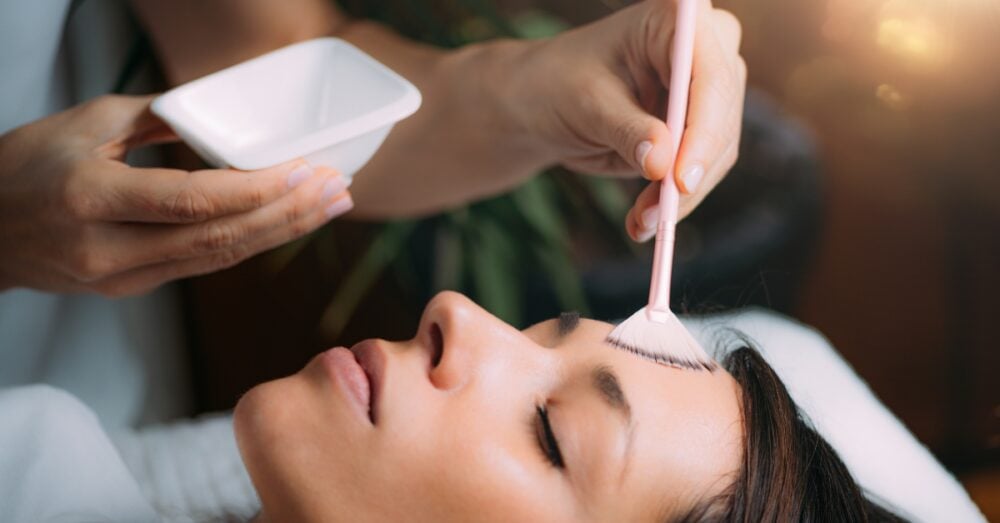
Ask a group of people who say they have sensitive skin what that means and the answers go in every direction. One person flushes after a glass of wine. Another stings when applying a new moisturizer. A third has eczema patches that flare each winter, and a fourth has rosacea that turns the cheeks red whenever the temperature climbs. All of them tend to ask the same question before they book a chemical peel: will my skin be able to take it.
The honest answer is that it depends on which kind of sensitivity is meant, how active it is on the day, and how the peel is prepared for and followed. The VI Peel is a layered treatment, and it is not the gentlest option on a menu, yet it is used on many people who consider their skin delicate. This guide explains what the peel contains, the different meanings of sensitive skin, which conditions call for caution or delay, what a careful clinician does to reduce risk and how the healing timeline can differ when the skin barrier is already fragile. It is general education and not a clearance to treat, and the decision belongs to a clinician who has examined the skin.
What the VI Peel actually places on the skin
The VI Peel treatment is a blend of several active ingredients rather than a single acid. According to the manufacturer’s published information, the formula combines trichloroacetic acid, salicylic acid, phenol, vitamin C and retinoic acid in a single application. Each ingredient contributes something different. Trichloroacetic acid loosens and removes the damaged upper layers of the skin. Salicylic acid is oil soluble and works within pores. Retinoic acid, a vitamin A derivative, speeds cell turnover. Vitamin C is an antioxidant, and phenol has a numbing effect that makes the application more comfortable.
The peel is applied in thin coats, usually in a few passes, and is not rinsed off. The skin dries and begins to peel on its own over the following days. Because several ingredients act at once, a modest layer can produce visible shedding, and that is precisely what matters for a person with a fragile barrier.
The point of understanding the formula is practical. A person who reacts to aspirin or salicylates, who has had a reaction to retinoids or who has a history of contact allergies will need to discuss these before treatment, and the ingredient list is what the clinician checks first.
The several things people mean by sensitive skin
The phrase hides a range of conditions, and the right approach differs among them.
Reactive skin is skin that stings, burns or turns red easily in response to products, weather or emotion, without a named disease. It is common and is often linked to a weakened barrier from overuse of exfoliants, retinoids or harsh cleansers.
Rosacea is a chronic inflammatory condition marked by flushing, persistent redness, visible small vessels and sometimes bumps. Heat, sun, spicy food, alcohol and stress trigger flares.
Atopic dermatitis, or eczema, is a condition of dry, itchy, inflamed skin with a defective barrier. It tends to come in flares and may involve the face, eyelids and neck.
Seborrheic dermatitis causes flaking and redness around the nose, brows and hairline. It overlaps with dandruff and can be stubborn.
A fifth group is skin that has become sensitive after other treatments, such as prescription retinoids, laser sessions or aggressive at-home acids. This kind of sensitivity may be temporary, and it responds to a pause.
Naming the type matters because each carries different risks with a peel, and a clinician will ask about it.
Why a fragile barrier changes the risk
The outer layer of skin acts as a wall, with cells held together by lipids that keep water in and irritants out. A chemical peel intentionally removes some of that wall to expose fresher skin underneath. In healthy skin, the barrier rebuilds in days. In skin with an impaired barrier, the rebuilding can be slow and the response exaggerated.
That has several consequences. Stinging and redness during and after the peel can be stronger. Inflammation can be more pronounced, and inflammation is also what triggers post-inflammatory pigment changes in some people. Skin that is already inflamed may react to the peel with a flare of the underlying condition. And the dryness and tightness of normal peeling can feel worse and last longer.
None of this means a sensitive person can never have a peel. It means the starting condition of the skin matters, and the plan needs to be adjusted.
Conditions that call for waiting or choosing another route
Certain situations are reasons to postpone or avoid a VI Peel, and a responsible clinician will say so.
An active flare of eczema, rosacea or seborrheic dermatitis in the area to be treated is a reason to wait until the skin is calm. Open sores, cold sores, infections, sunburn and recent irritation are also reasons to wait. A person with an active herpes simplex history is often given an antiviral beforehand, because the peel can trigger an outbreak.
A history of keloid or abnormal scarring, recent use of isotretinoin, pregnancy and breastfeeding, and known allergy to the ingredients are reasons for a different approach. Isotretinoin in particular makes the skin fragile, and clinicians typically wait for a period after it has stopped, which they determine individually.
Poorly controlled skin disease is a more general reason to pause. Treating the underlying condition first usually gives a better and safer result than peeling through it.
Rosacea and peels: the specific worry
Rosacea deserves its own discussion because it is so common in sun drenched places like Phoenix, where heat and ultraviolet exposure are constant triggers. A peel produces heat, redness and inflammation, all of which can aggravate rosacea.
Many dermatologists are cautious with rosacea, and some choose very light peels, or avoid peels in people whose rosacea is active or easily provoked. Others find that mild, carefully chosen peels done when the skin is quiet can improve texture without a flare. The difference lies in selection, preparation and technique.
A person with rosacea should expect questions about how the condition behaves, what triggers it and how it is currently managed. A skin that has been stable on treatment for months is a better candidate than one that is flaring weekly. Visible broken vessels do not respond to peels, and other tools are better suited to them.
Eczema, dry skin and the barrier problem
People with eczema often have a healthy complexion between flares, and during these quiet periods may be candidates for treatment. During a flare, the skin barrier is open, the risk of irritation is high and the risk of secondary infection is real.
The decisions rest on timing and area. Peeling the face may be feasible when the face is clear, even if the elbows are flaring. Treating skin that is currently inflamed is not. Strong emollients and barrier repair habits before and after treatment matter more for this group than for people with normal skin.
A clinician may also consider a lighter approach, such as a smaller area or a different treatment altogether. Peeling a dry, scaly patch seldom does what the person hopes, and the underlying dryness is better treated with prescription and moisturizing care.
Skin tone, sensitivity and pigment
Skin tone interacts with sensitivity. Inflammation can leave lasting dark marks, known as post-inflammatory hyperpigmentation, and the risk is higher in people with deeper skin tones and in people with a tendency to melasma. A reactive skin that becomes inflamed in response to a peel is therefore a recipe for pigment trouble in someone prone to it.
Pigment trouble is the main concern whenever the VI Peel is used for melasma and hyperpigmentation, and the same cautions apply to sensitive skin. Sun protection before and after treatment is nonnegotiable, and in Phoenix it means serious daily use of broad spectrum sunscreen and shade, not an occasional application.
How a careful clinician reduces the risk
A few practical measures make a large difference, and a person with sensitive skin can reasonably expect to hear about them.
The first is a thorough history and examination. The clinician asks about conditions, medications, products, allergies and past reactions, and looks at the skin on the day. A decision to treat is made that day, not weeks earlier.
The second is a patch test or a test area. A small application in a discreet area can show how the skin responds, although it is not a perfect predictor.
The third is preparation of the skin. Weeks before treatment, many people are advised to simplify the routine, avoid new products, pause strong exfoliants and retinoids as directed and use a gentle cleanser and a good moisturizer. Careful VI Peel preparation matters more here, and a sensitive patient benefits from following every step even more strictly.
The fourth is the way the peel is applied. A clinician may use fewer coats, may avoid the most reactive zones such as the skin around the eyes and corners of the nose, and may change the plan as the skin responds during the visit.
The fifth is aftercare that supports the barrier. Gentle cleansing, bland moisturizer, strict sun avoidance and no picking are the foundation, and the first days follow the same gentle logic as any VI Peel aftercare routine, only with less margin for error.
What the first hour feels like
During application, most people feel a warm or tingling sensation that may build to a mild sting. Phenol gives a numbing quality, so the peak discomfort is often less than patients expect. A hand held fan is sometimes used to ease the sensation.
For a sensitive person, the sting may be more intense or may linger longer. The clinician can adjust, pause and apply a soothing product, and the person should say so immediately if the sensation becomes more than mild. After application, the skin usually looks pink or slightly frosted in places and feels tight. The person goes home with instructions, a gentle skin care routine and often a few products to use.
How healing differs when the barrier is fragile
The standard sequence of a VI Peel is well known, and the sensitive version follows the same arc with some differences. The following description is general, and the practice’s own instructions govern.
In the first day, the skin feels tight, warm and sometimes slightly tender. It may look pink or bronze, as though lightly sunburned. For a reactive skin, the redness can be more pronounced and may last longer.
On the second and third days, the skin darkens and tightens. A bronze or brownish cast appears in many people, and the skin begins to feel dry. A person with a dry or eczema prone skin may feel more tightness and itching and should use the moisturizer as directed.
From about day three through day five, peeling begins. It often starts around the mouth and the sides of the nose and spreads. The skin lifts in sheets or flakes. The most important rule is to let it come off on its own and never pull. In a person with fragile skin, the peeling can be more uneven and the new skin underneath can look pinker.
Between days five and seven, peeling slows and the new skin appears. For a sensitive person, the skin may stay pink for longer, and temporary dryness or small bumps can show up as the barrier finishes rebuilding.
In the weeks after, the skin continues to settle. People often judge the result around two to four weeks as the pinkness fades. Those with rosacea or reactive skin may need longer for the redness to normalize, and they should watch for any flare that the clinician needs to see.
Different practices describe the schedule slightly differently, and several factors stretch or shorten VI Peel downtime in the Phoenix climate, including heat, dryness and how well the skin was prepared.
Reactions on sensitive skin that need the clinic
Several signs call for a prompt call to the clinic.
Blisters, oozing, crusting or yellow discharge suggest infection or an irritation more serious than normal peeling. Increasing pain after the first days, spreading redness, swelling, fever, or fluid filled bumps can signal infection or a herpes outbreak. A rash with intense itching may point to an allergic reaction. Dark patches that appear and persist after the peeling needs the clinician’s attention, because early treatment of pigment change is more effective than delayed care.
Calling is never an overreaction. A short visit can head off a longer problem.
What sensitive skin should not do while it heals
The routine for the first week is simple and strict. Do not pick or peel flaking skin. Do not use scrubs, acids, retinoids, vitamin C serums, benzoyl peroxide or fragranced products unless the clinic says so. Avoid very hot showers, saunas, steam rooms and heavy sweating. Avoid swimming pools because chlorine can irritate. Avoid sun, and wear a hat and sunscreen when going outdoors.
For people with sensitive skin, the temptation to try a new soothing product is strong, and it is usually a mistake. A new product can cause a reaction that is then mistaken for a problem with the peel. The best approach is a short, boring routine.
Phoenix climate and the sensitive face
The environment compounds the challenge. Low humidity pulls water from the skin, and heat can aggravate redness. Moving from sweltering outdoor conditions into strongly air conditioned rooms is hard on a fragile barrier. Dust and wind in some seasons add irritants.
For a person with sensitive skin, these facts shape the schedule and the routine. Many people plan treatment for a cooler season or at a time when they can avoid the worst midday exposure, and they use a humidifier, a richer moisturizer at night and sun avoidance during healing. That is why seasonal timing matters so much for peels in this climate.
The shelf in the bathroom and why the clinician wants to see it
People with sensitive skin often have the longest product lists, built up over years of trying to fix a reaction with another product. A clinician who sees photographs of the shelf can spot the likely culprits. Fragranced cleansers, essential oils, alcohol heavy toners, physical scrubs, high strength acids and several different retinoids used at once are common offenders, and each can leave the barrier thin before a peel is ever applied.
Bringing the actual products, or clear photographs of the labels, helps far more than a verbal list. The aim is not to shame anyone for what they use but to simplify the routine before treatment, so that any reaction afterward can be attributed correctly. A pared down routine of a mild cleanser, a plain moisturizer and sunscreen for a few weeks often calms skin enough to change the decision.
Stress, sleep and the hormonal rhythm of a flare
Flares do not occur randomly. Many people notice that rosacea and dermatitis worsen during stressful weeks, after poor sleep or at certain points in the menstrual cycle. Scheduling a peel in the middle of a deadline, a move or a run of bad nights invites a reaction that has little to do with the peel itself.
A practical approach is to choose a calm stretch, avoid booking within a few days of a known trigger such as a menstrual flare or heavy travel, and keep the weeks before treatment as stable as possible. A person who tracks flares in a simple notebook for a month or two often discovers a pattern that guides the timing.
Fitting the healing window around real life
Healing from a peel overlaps with ordinary commitments, and sensitive skin deserves a larger margin. Peeling is visible, and the pink or bronze stage can be noticeable, so it is wise to avoid scheduling within a couple of weeks of a wedding, photo shoot, important presentation or vacation involving heavy sun.
Travel adds its own risks. Airplane cabins are dry, beach days mean strong sun and chlorinated or salt water can irritate fragile skin. People who work outdoors, coach sports or spend long hours at poolside need a plan for shade, hats and sunscreen during the first week. A person who can work from home for several days may heal more comfortably than one who commutes in the midday heat.
Thinking about these details beforehand turns healing from a source of anxiety into a manageable few weeks.
Is a peel the right tool at all
For some sensitive skins, the peel is not the best first choice. A person whose main problem is redness from rosacea may do better with prescription treatments, vascular lasers or light based therapy, which are aimed at the vessels and not the surface. A person whose concern is acne scarring may prefer needling or radiofrequency options. A person whose skin is simply dry and dull may need a better moisturizer and gentler exfoliation before anything stronger.
Peeling and needling are both options for texture and tone, yet they stress the skin differently, which is why weighing peel against microneedling matters for a reactive face. For a person with rosacea or eczema, neither is automatically gentler, and the choice depends on the specific condition and the clinician’s judgment.
The broader family of options runs from light to deep chemical peels, and some people with sensitive skin start with the lightest and move up only if the skin tolerates it.
Planning a series instead of a single event
A person with delicate skin often does better with a gradual approach than with a single bold treatment. A first peel may be done conservatively, with a plan to reassess. If the skin tolerates it, the next can be adjusted. This lets the clinician learn how that particular face behaves, which no test can fully predict.
Spacing matters as well. Allowing the skin to recover fully between treatments reduces cumulative irritation, and skin that is not fully healed should not be peeled again. Between treatments, a calm routine and sun protection maintain progress.
The skin that does well afterward
When a sensitive person is carefully selected, prepared and followed, the results can be satisfying. People often report smoother texture, a more even tone and a fresher look as the new skin emerges. Smoother texture and a fresher look are among the VI Peel benefits that draw many patients, though a person with fragile skin should hold more modest expectations and let the first treatment prove itself.
Results vary by person, and nobody can promise a particular outcome. Photographs taken before and at intervals after treatment help judge the change objectively.
Maintenance that respects the barrier
After healing, the routine matters more than the peel. A gentle cleanser, a moisturizer suited to the skin, daily broad spectrum sunscreen and measured use of actives keep the barrier healthy. Reintroducing retinoids or acids should be gradual and approved by the clinician, since the skin can be more reactive for a time.
A thoughtful daily skincare routine between treatments protects the investment and lowers the chance of another flare, which is especially valuable for people whose skin reacts to everything.
Honest expectations for fragile skin
Sensitive skin does not disqualify a person from every treatment, and it does not mean that cautious care is overcaution. It means more attention to the starting point, more patience in the plan and more willingness to adjust. The best outcomes come from a clinician who takes the sensitivity seriously, who says no or not yet when the skin is not ready and who treats the barrier as something to protect, not something to defeat.
For the person asking whether sensitive skin can take a VI Peel, the answer is often a qualified yes, sometimes a not yet and occasionally a no, and the way to find out is an examination, not a guess.
VI Peel and sensitive skin questions, answered
Can sensitive skin have a VI Peel?
Often, yes, with careful screening, preparation and aftercare. Active flares of rosacea, eczema or dermatitis are reasons to wait, and a clinician decides after examining the skin.
Is a VI Peel safe for rosacea?
It depends on how active and easily triggered the rosacea is. Some clinicians avoid peels in active rosacea, and others use gentle approaches when the skin is calm. Visible vessels do not respond to peels.
Which VI Peel ingredients matter for reactive skin?
According to the manufacturer, it combines trichloroacetic acid, salicylic acid, phenol, vitamin C and retinoic acid. People who react to salicylates or retinoids should say so beforehand.
Does reactive skin take longer to settle after a VI Peel?
Peeling typically begins around day three and lasts several days, and redness can take longer to fade in reactive skin. A clinician gives specific instructions.
Will the peel make my redness worse?
Some redness is expected as part of healing. In reactive or rosacea prone skin, it can be stronger and last longer, which is why preparation and calm skin matter.
Should I use a patch test?
A small test area can show how the skin responds, although it does not predict everything. Clinicians decide whether a test is useful in each case.
Which products and habits irritate sensitive skin while it peels?
Avoid picking, scrubs, acids, retinoids, fragranced products, hot water, saunas, swimming pools and sun exposure unless the clinic says otherwise.
Which reactions after a peel on sensitive skin need a call to the clinic?
Call for blisters, oozing, crusting, spreading redness, fever, intense itching, increasing pain or dark patches that appear and persist.
Can I have a VI Peel during an eczema flare?
Usually no. The skin barrier is open during a flare, and treatment is generally delayed until the skin is calm.
Is there a gentler option than a VI Peel?
Yes. Lighter peels, hydrating treatments or other approaches may suit very reactive skin, and a clinician can match the option to the condition.