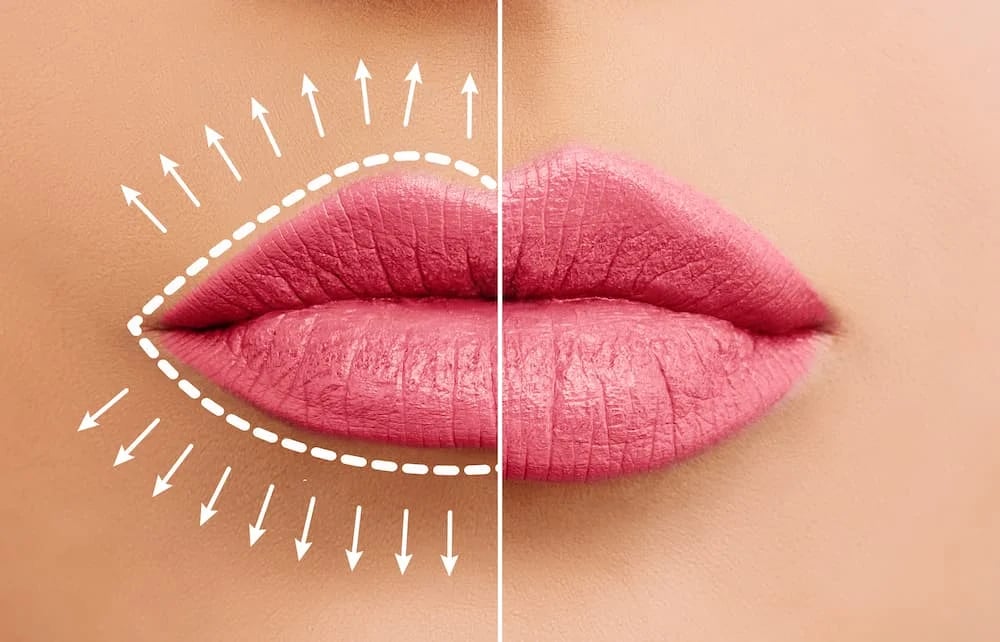
Two questions arrive in nearly every lip filler consultation, and they sound unrelated. The first is “how much will it hurt?” The second, usually asked at the door or in a text that evening, is “can I take Tylenol, or will that mess things up?” They are really the same question asked at two different times, and the answer depends on a surprisingly small number of facts about how filler injections work, how the lip is built, and what common pain relievers do to blood. Once those facts are in hand, most of the anxiety around post-treatment discomfort disappears, and the rare situations that do need urgent attention become easy to recognize.
This guide is organized around a clock rather than a checklist. Pain after lip filler is not a single event. It changes character as the hours pass, and the right response to a throbbing lip at hour two is different from the right response to a throbbing lip on day four. Along the way it explains why the pharmacy shelf is not neutral territory, what the actual risk is when someone takes the wrong tablet, and how to tell ordinary soreness from the small group of symptoms that should prompt an immediate phone call.
Why the lip hurts in the first place
The lips are among the most densely supplied sensory areas of the face. They carry a large number of nerve endings packed into thin tissue with very little fat to cushion them, which is why a needle that barely registers on the cheek can feel sharp at the vermilion border. They are also richly vascular, with a network of small arteries running just beneath the surface of the red lip. That combination, high nerve density and high blood supply, explains both the pain and the bruising.
When filler is placed, several things happen at once. The needle or cannula passes through tissue. A gel is deposited that takes up space and stretches the surrounding tissue. Hyaluronic acid fillers also attract water, so the area swells as the gel hydrates over the first day or two. The body responds to the small trauma with mild inflammation. Each of these produces a different sensation: the sharp prick of injection, the tight pressure of expansion, and the dull ache of inflammation. Treating them well means knowing which one you are dealing with.
Local anesthetic changes the early picture. Many fillers contain a small amount of lidocaine blended into the gel, and many clinics add topical numbing cream beforehand or use a dental style nerve block in the lip for a more complete effect. The details of those choices are covered in the practice’s discussion of numbing options before lip filler, and they matter here for one reason. Numbness is temporary, and the moment it wears off is when many patients first feel how the lip really is.
The first two hours: numbness and the false sense of ease
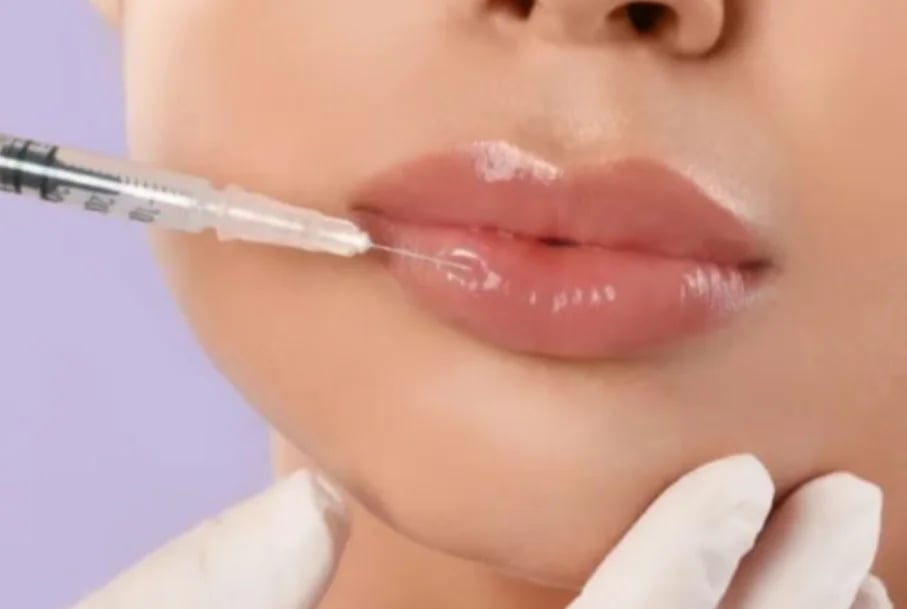
Immediately after the appointment the lip is usually numb, puffy and a little heavy. Lidocaine mixed into filler tends to last roughly an hour or two. A nerve block lasts longer, often two to four hours, and can leave the lip and chin feeling thick and unresponsive. Topical cream wears off fastest.
The practical risk in this window is not pain. It is that numbness hides injury. A numb lip is easy to bite, easy to burn with hot coffee and easy to press against a steering wheel or a pillow without noticing. Patients who eat or drink hot food before feeling returns can scald the tissue and discover it later. The best habit is to wait until normal sensation has returned before eating, to choose cool or room temperature drinks, and to avoid chewing on the side of the mouth that still feels dull.
This is also the window in which a first dose of pain medication can be taken ahead of the discomfort that is coming. Because lidocaine and nerve blocks fade on a predictable schedule, many clinicians suggest taking acetaminophen as the numbness begins to lift rather than waiting until pain has built, which tends to give smoother comfort than chasing the pain afterward. Whether that is appropriate for a specific person depends on factors covered below.
Hours two through twelve: the tight, throbbing phase
As anesthesia fades, swelling is climbing. Hyaluronic acid draws in fluid, the tissue is inflamed, and the lip can feel hot, tight and sore to the touch. This is when most people ask about painkillers, and it is also the period with the most visible swelling asymmetry, which often alarms patients who expect to see the final result. One side commonly swells more than the other, and the lip may look larger than planned. Both are normal and neither predicts the final shape.
Discomfort at this stage is usually described as tenderness, pressure or a mild throbbing that is worse when smiling, pursing or touching the lip. On a ten point scale, most people place it somewhere between two and four. Anything that climbs steadily above that, or that arrives suddenly and sharply rather than building gradually with swelling, deserves attention, and the section on warning signs below spells out why.
Non-drug measures do a surprising amount of work in this window. Cold applied through a clean cloth, ten to fifteen minutes at a time, constricts small vessels and reduces both swelling and aching. The cloth matters, because direct ice on swollen, numb tissue can cause cold injury. Keeping the head elevated, including on extra pillows overnight, reduces the pooling of fluid in the lips. Staying hydrated, avoiding salty food that promotes fluid retention and resting rather than exercising all reduce the throb. The practice’s broader lip filler aftercare guide goes through these steps in detail and is worth reading alongside this one.
What to take: acetaminophen first, and why
For pain after lip filler, acetaminophen, known by the brand name Tylenol, is the standard first choice for most healthy adults. The reason is not that it is a stronger painkiller than the alternatives. It is that it relieves pain and fever through central mechanisms without affecting platelets, the blood cells that help form clots. Since a bruise is bleeding into tissue, a medication that does not interfere with clotting is the safer option when the goal is to keep bruising to a minimum.
Label directions apply, and a few cautions are worth stating plainly. The maximum daily amount printed on the packaging varies by product, with some extra strength products setting lower daily limits than regular strength, so reading the specific label on your bottle matters more than remembering a number. People who drink alcohol regularly, who have liver disease, who are on other medicines that affect the liver or who are small in body weight should ask a pharmacist or physician before using it, because the margin between a helpful dose and a harmful one is narrower for them. A hidden risk is duplication. Many cold, flu, sinus and sleep products contain acetaminophen as one ingredient among several, and combining them with extra tablets is how people exceed the safe daily amount without realizing it.
Alcohol deserves its own mention. Beyond its interaction with acetaminophen, alcohol dilates blood vessels, which can increase swelling and bruising and slow recovery. Avoiding it for at least the first day is standard advice.
What not to take, and what it actually does
The category that causes confusion is nonsteroidal anti-inflammatory drugs, often shortened to NSAIDs. These include ibuprofen (Advil, Motrin), naproxen (Aleve) and aspirin. They relieve pain and swelling by blocking enzymes called cyclooxygenases, and in doing so they also reduce the ability of platelets to clump together. For a headache this is irrelevant. For a lip that has just been punctured many times, it means the tiny vessels that were nicked may leak a little longer, and bruises may be larger and darker.
The three drugs behave differently. Ibuprofen blocks platelets reversibly, so its effect wears off as the drug is cleared from the body, generally within a day. Naproxen lasts longer because it stays in the system longer. Aspirin is the outlier, because it disables platelets irreversibly, and since platelets live for roughly a week to ten days, a single aspirin tablet can affect clotting for that long. This is why aspirin is the one most clinics insist patients avoid for longer before injectable work, unless it has been prescribed for a medical reason.
That last clause is important. Many adults take low dose aspirin or prescription anticoagulants for heart disease, stroke prevention, atrial fibrillation or a history of clots. They should never stop these medications on their own because of a cosmetic procedure. The right step is to tell the injector at the consultation and let the clinic and the prescribing physician decide together whether the benefit of the treatment justifies a higher bruising risk. A patient on a blood thinner can still receive filler, with the understanding that bruising is likely to be more prominent.
The usual window recommended after treatment is twenty four to forty eight hours of avoiding NSAIDs, with the longer end being more conservative. It is also worth knowing the supplements that act in a similar direction: fish oil, vitamin E, ginkgo, garlic extracts, ginseng and high dose turmeric all have mild effects on clotting, and many practices ask patients to pause them for several days before and after treatment. After the first one to two days, once the initial period of vessel leakage has passed, ibuprofen or naproxen can be reasonable for a patient who needs an anti-inflammatory and has no medical reason to avoid it, but it should be a decision made with the clinic’s guidance, not a reflex.
Day one night: sleep, pillows and the second wave
The first night is often the most uncomfortable because swelling is still rising and lying flat encourages fluid to pool in the face. Sleeping on the back with the head elevated on two pillows helps more than most patients expect. Sleeping on the stomach or side presses the filler and the swollen lip against the pillow, which is both uncomfortable and unwise. A travel pillow or a rolled towel behind the neck can keep the head from slipping to the side.
A last dose of acetaminophen before bed, within label limits, is common practice for those who have no reason to avoid it. A cold compress held on briefly before sleep can also take the edge off. Patients sometimes wake with more swelling than they had at bedtime, and that is normal. The face has been horizontal for hours, and fluid has had time to collect. It usually eases within an hour or two of being upright.
Days two and three: the peak and the plateau
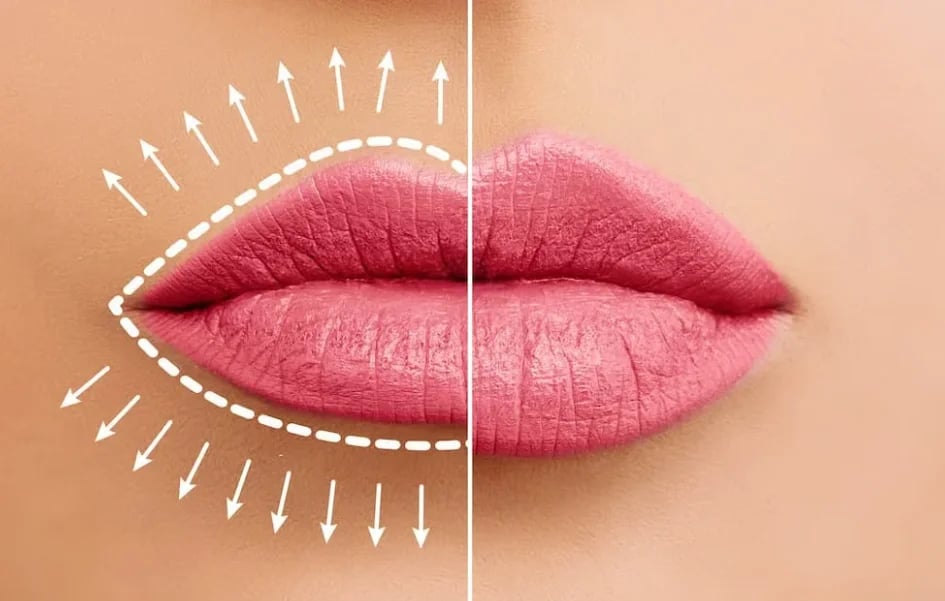
Swelling generally peaks on the second day and begins to settle by days three to five, though the exact curve depends on how much product was used, how many injection points were needed and the individual’s tendency to swell. Pain at this stage is typically lower than it was on the first night, shifting from sharp or throbbing to a background tenderness that is most noticeable when the lip is touched or moved.
Bruising often becomes visible at this point rather than immediately. A mark that was faint on the first day can darken to purple or blue on the second and then travel through green and yellow tones as the blood is reabsorbed. This is not a sign of something going wrong. It is the standard life of a bruise, usually fading over three to seven days, though a significant bruise can linger for up to two weeks. Concealer containing a green or yellow corrector can disguise it after the first day or two, provided the skin is intact and the product is applied gently.
Arnica gets asked about constantly. The evidence for arnica is mixed. Some small studies suggest a modest reduction in bruising, while others find no difference from placebo, and the products on the market vary widely in concentration. Topical arnica gel on intact skin is unlikely to cause harm for most people, and it can be tried, but it should not be applied to broken skin or inside the mouth, and anyone allergic to plants in the daisy family should avoid it. Oral arnica supplements are a different matter and should be discussed with the clinic first. Bromelain, a pineapple derived enzyme sometimes recommended for swelling, has mild blood thinning properties and is generally best avoided before treatment.
If a patient asks whether to massage the lip to smooth out lumps, the answer at this stage is usually no, unless the injector has given specific instructions. Early lumps are often swelling or pooled water around the gel, and pressing on them can displace product or aggravate inflammation. Injectors may show a patient how to massage later, when an irregularity persists after the swelling has gone.
Pain that is not ordinary soreness
Most post-filler discomfort is predictable. A small group of symptoms is not, and recognizing them quickly makes a difference to the outcome. These deserve a direct explanation rather than a vague “contact us if concerned.”
The most important is vascular compromise. Very rarely, filler can be placed in or pressed against a blood vessel and reduce blood flow to the tissue it supplies. In the lips, the labial arteries are the vessels of concern. The classic early sign is pain that is out of proportion to the procedure, often described as severe, burning or deepening rather than easing, sometimes beginning at the time of injection and sometimes appearing hours later. Alongside the pain, the skin may turn pale or white in a patch, then develop a mottled, lacy purple or gray pattern. The lip may feel cold, look dusky or have a delay when pressed and released, where the color should return quickly but does not. Any combination of these signs is an emergency, not a wait-and-see situation. The treatment is prompt, usually involving an enzyme called hyaluronidase that dissolves hyaluronic acid filler, and timing strongly influences outcome. Patients are right to ask before treatment whether the clinic keeps hyaluronidase on site and how they can reach someone after hours.
Pain that follows an unusual pattern is the second category. A pain that is steadily worsening after the second day, instead of easing, deserves a call. So does increasing redness, spreading warmth, a hard, hot, very tender lump, pus or fever, all of which may signal infection. Infections after filler are uncommon, but they need treatment, and early assessment is better than waiting for a weekend to pass.
Cold sores are the third. The injection process can reactivate the herpes simplex virus in people who carry it, producing tingling, burning and blisters around the lip a day to a few days later. This can be mistaken for filler pain. Patients with any history of cold sores should mention it before treatment, because preventive antiviral medicine is simple and effective, and starting it after symptoms appear is less effective than starting it ahead of time.
The fourth category is delayed reactions. Occasionally, weeks or months later, a firm, tender swelling can appear in an area of filler, often after an illness, a vaccination or dental work. These delayed inflammatory responses are uncommon and treatable, and are part of the reason many injectors ask patients to postpone dental procedures for two weeks after lip filler. A call is warranted whenever new swelling and tenderness arise out of nowhere.
A simple rule works across all of these. If the pain is getting worse rather than better, if the color of the skin is changing in a way that looks pale, gray, dusky or lacy, or if you feel unwell with it, call the clinic immediately. If the clinic cannot be reached and symptoms are severe, go to urgent care or an emergency department and say that you had dermal filler injected, so the team understands the possible cause. Any vision change, severe headache or facial weakness after a filler treatment is an emergency and calls for 911.
Special situations that change the answer
Some people have to modify the usual advice, and the modifications are worth knowing before the day of treatment.
If you take prescribed blood thinners or daily aspirin, discuss the plan in advance and never stop them on your own. If you have stomach ulcers, kidney disease or are on certain blood pressure or diuretic medicines, NSAIDs are poor choices regardless of bruising, and acetaminophen becomes the default. If you have liver disease or drink heavily, the reverse concern applies, and a physician should guide which option is safest. During pregnancy or while nursing, filler is generally deferred, and any medication question should go to an obstetric provider.
Sensitivity to pain varies widely and is influenced by anxiety, sleep, caffeine and the time of the menstrual cycle. Some patients have a low threshold and find even a routine amount of swelling uncomfortable. Telling the injector that you are sensitive is useful, because they can adjust the numbing approach, slow down and use a cannula or smaller needles where appropriate. A patient who is nervous about pain is not a difficult patient. They are an informed one, and a good clinic treats the information as an input into planning.
People having several treatments in one day should plan for stacked effects. Filler placed in the cheeks or chin follows a similar but slightly different curve, described in the recovery pattern for fillers placed elsewhere in the face, and neuromodulator injections have their own rhythm, which is why a short read on how toxin recovery differs helps anyone combining the two in a single visit. Patients are sometimes surprised that the toxin side is almost painless afterward while the filler side is the one that aches, and that the two do not share the same medication cautions at all. Lip filler combined with a toxin or with other injectables is common, and the medication guidance is the same, but recovery from several areas at once feels bigger than any single one. The practice’s spacing guide for combined treatments explains how to sequence them, and the experience of recovery after a thread lift or other procedures is described in the PDO thread recovery timeline, where the same logic about avoiding blood thinners and monitoring pain applies.
A short plan to carry out of the appointment
It helps to leave with a plan rather than relying on memory in the moment, especially when a numb lip dulls both judgment and sensation.
Before the appointment, stop supplements that affect clotting as advised, avoid alcohol for a day, eat a normal meal so you are not light headed, and bring the label of any medication you take regularly. Confirm that acetaminophen is safe for you, and have a bottle at home with the dosing instructions read.
Right after the appointment, apply a cold, cloth-wrapped compress in short sessions, avoid touching or pressing the lips, and plan soft, cool food once feeling has returned. Take acetaminophen as the numbness begins to fade if you need it and it is safe for you.
That evening and overnight, keep the head elevated, avoid salty meals and alcohol, and keep the phone number of the clinic handy. Check the lip in good light before bed, so you know what normal looks like for you at that point.
Over the next two days, expect swelling to peak and bruising to appear. Continue acetaminophen as needed, avoid NSAIDs and aspirin unless a physician has told you otherwise, and watch for the warning signs described above. After that window, discuss with the clinic whether other medications are appropriate.
Why a clinic’s experience matters for pain
Technique influences how much pain a patient has afterward. Smooth, slow injection, appropriate depth, careful placement and the choice of needle or cannula all affect swelling and bruising. The ability to recognize and manage an adverse event quickly is not something a patient can judge from the outside, but they can ask about it. At Ageless Health Institute, aesthetic injections are performed by experienced nurses such as Jana Dreebin, who has more than twenty years in aesthetics and training through Allergan Medical Institute, and who works in a medical setting rather than a salon. When choosing where to have filler, asking about training, experience and emergency preparedness is reasonable and expected.
The same logic applies to choosing the treatment itself. A patient who is unsure whether filler is the right approach for the look they want can read the practice’s comparison of a lip flip and lip filler, and a patient who has not yet had treatment will find the three things to know before getting lip fillers a useful companion, and the page on how lip filler is approached at the practice sets out what the visit itself involves. The wider dermal filler options page describes what else is available if the lips are only part of the plan.
Cannula versus needle is a fair question to put to any injector. A blunt tipped cannula passes through tissue with fewer punctures and is generally associated with less bruising in vascular areas, though the lip border often still calls for a needle for precision. Neither choice removes risk, and neither should be sold as doing so. What a patient can reasonably expect is a clear explanation of why one tool was chosen, honest preparation for swelling and bruising, a written aftercare sheet that matches what was said aloud, and a direct number to call when something looks wrong.
When it is simply sore, and what to expect next
For most people the whole question resolves quietly. The lip is sore for a day or two, a little bruised for a few more, lumpy and uneven for about a week, and settled and natural looking by two weeks. Pain medication is used once or twice, ice is used for an afternoon and the result is evaluated when the swelling has gone down rather than on the first night. The occasional patient has a harder time, and that is the reason it pays to know the plan in advance.
Understanding why acetaminophen is preferred, why ibuprofen and aspirin are held back for a day or two, how pain should change from hour to hour and which symptoms should prompt an immediate call turns post-treatment recovery from a source of worry into a routine. If you are considering lip filler and want to talk through your own medical history, medications and comfort needs before deciding, you can schedule a consultation, and the injectables menu shows the full range of treatments available.
Frequently Asked Questions
Can you take Tylenol after lip filler?
Yes, for most healthy adults acetaminophen is the preferred pain reliever because it does not affect platelets or increase bruising. Follow the label limits and check other products you take for hidden acetaminophen.
Can you take ibuprofen after lip filler?
It is usually advised to avoid ibuprofen, naproxen and aspirin for 24 to 48 hours because they reduce platelet function and can worsen bruising. After that window it can be reasonable if you have no medical reason to avoid it.
What if I take daily aspirin or a blood thinner?
Never stop a prescribed medication on your own. Tell the injector at the consultation so the clinic and your prescribing physician can decide together. Expect that bruising may be more noticeable.
How long does pain last after lip filler?
Tenderness is usually strongest during the first night, then eases over two to three days. Mild soreness when touching or pressing the lips can last up to a week.
Why does my lip hurt more when the numbness wears off?
Lidocaine in the filler lasts about one to two hours and a nerve block two to four hours. As it fades you feel the swelling and tenderness that were already there. Taking acetaminophen as numbness lifts can smooth the transition.
Does arnica help lip filler bruising?
Evidence is mixed. Some small studies show a modest benefit and others show none. Topical gel on intact skin is generally low risk, but it should not go on broken skin or inside the mouth, and people allergic to daisy family plants should avoid it.
What does a vascular occlusion feel like?
It typically brings pain out of proportion to the treatment, along with pale or white skin, then a mottled or lacy purple or gray pattern, coolness and slow color return. This is an emergency and needs immediate contact with the clinic.
When is lip filler pain a sign of infection?
Pain that worsens after the second day, with spreading redness, heat, a hot hard lump, pus or fever, may signal infection. Call the clinic promptly rather than waiting for the weekend.
Can lip filler trigger a cold sore?
Yes. Injection can reactivate the herpes simplex virus in people who carry it, causing tingling and blisters a day to a few days later. Tell your injector about any history so preventive antiviral medicine can be started beforehand.
Should I use ice after lip filler?
Yes, wrapped in a clean cloth for 10 to 15 minutes at a time. Avoid putting ice directly on the skin, especially while it is still numb, since cold injury can occur without warning.
How should I sleep after lip filler?
On your back with your head elevated on two pillows. Avoid sleeping on your stomach or side, which presses on the swollen lip and can increase discomfort.
What supplements should be avoided around lip filler?
Fish oil, vitamin E, ginkgo, garlic extracts, ginseng, high dose turmeric and bromelain can mildly affect clotting. Many clinics ask patients to pause them for several days before and after treatment.