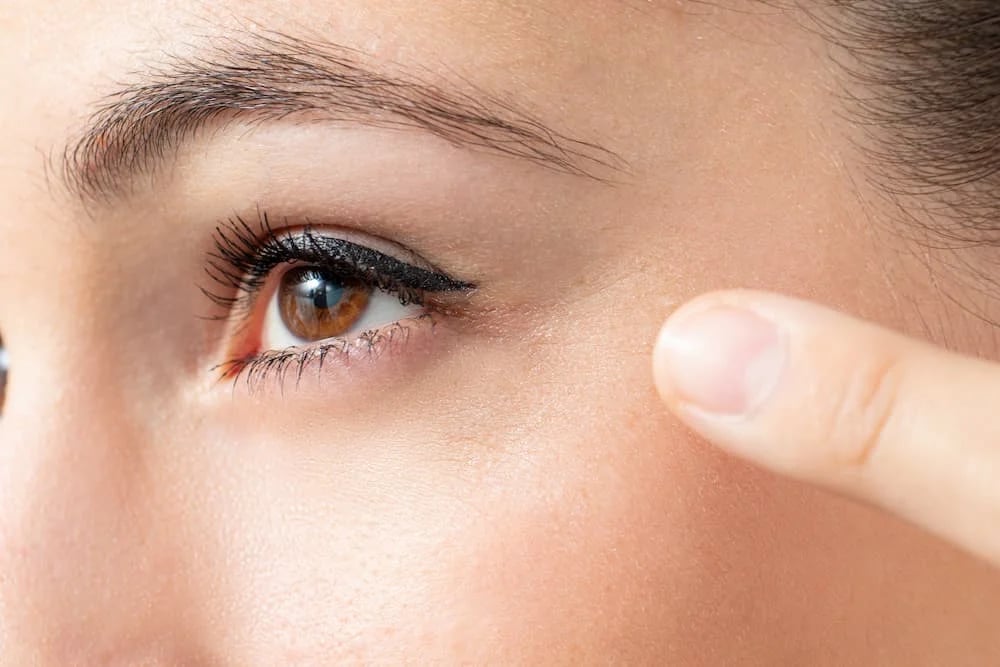

A woman of twenty-nine stands in a bathroom mirror under bright light and raises her eyebrows, then lowers them, then frowns. She is looking for something, and she finds it: a faint pencil mark between her brows that appears when she concentrates and disappears when she relaxes. It is hardly a wrinkle. It is the idea of one. Her older sister, who has started injections, says the way to stop it is to act now. Her dermatologist friend says to wear sunscreen and wait. The internet says both and more.
This is the crossroads that brings many people in their late twenties and thirties to a search for preventative Botox. They are not asking for a transformation. They are asking whether doing something small and early can change what their face looks like at fifty, and whether the cost and commitment are worth it.
The honest answer has layers. There is a sound biological idea behind it, some limited evidence and a great deal of marketing. This article lays out what is known, what is plausible and what is not proven, so that anyone considering treatment can decide with clear eyes.
The Idea Behind Prevention: Why Movement Etches Lines
Facial lines come in two types. Dynamic lines appear only when a muscle moves, such as the frown lines when you scowl or the forehead lines when you raise your brows. Static lines remain at rest, and they are the ones that bother people most.
Static lines form gradually. Repeated folding of the skin in the same place, year after year, combined with the loss of collagen, elastin and fat that comes with age and sun exposure, turns a temporary crease into a permanent one. Think of a piece of paper folded along the same line a thousand times.
The prevention idea follows from that image. If the muscle that creates the fold is weakened, the skin folds less often and less deeply, and the crease may take longer to become permanent. Botulinum toxin, the active ingredient in Botox and related products, temporarily reduces muscle contraction, which is why the logic is appealing.
What the Evidence Actually Shows
Here caution is needed. The strongest evidence for neuromodulators is in treating existing dynamic lines, where randomized trials show clear improvement. The evidence that treatment in a young person prevents static lines years later is much thinner.
A few small studies are often cited. Some compare identical twins, one of whom received regular injections and one of whom did not, and report that the treated twin had fewer or less deep lines in the treated area. Other reports describe patients who have had regular treatment for years showing less etching than expected. These findings are suggestive and plausible, but they involve small numbers and are not the kind of long, large, controlled trial that would settle the question.
A fair summary is that preventative treatment is biologically reasonable and that regular treatments can help prevent the formation of deeper wrinkles over time, particularly in people who have strong expression. It is not a guarantee, and anyone who tells you it is certain to stop wrinkles is going further than the evidence goes.
What “Baby Botox” Means and What It Does Not
The term baby Botox is a marketing label, not a medical category. It usually refers to a lower dose of neuromodulator, sometimes spread over more injection points, intended to soften movement without freezing it. The goal is a natural look, where the face still moves and expresses emotion but with less deep creasing.
There is no standard definition of the dose that qualifies. One clinic’s baby Botox may be another’s regular treatment. What matters more than the label is whether the dose and placement match the patient’s muscle strength and goals. Someone with a strong frown muscle may need more to see any effect, and someone with delicate, fine movement may need very little.
Microdosing, a related term, refers to very small superficial injections intended to improve skin texture and pore size in addition to softening movement. Results vary by technique.
Who Is a Reasonable Candidate for Starting Early
The patients who tend to benefit most from early treatment have identifiable features. They have strong, visible muscle movement that is already starting to create lines at rest, even faintly. They have habits of expression, such as a pronounced frown or squint, that fold the same area repeatedly. They may have a family history of early lines, or heavy sun exposure that has already begun to change their skin.
Someone with smooth skin, subtle expression and no lines at rest may not gain much from treatment and may be better served by sun protection and a good skincare routine. That is not a discouraging answer. It reflects the fact that treatment is most useful where there is something to prevent.
Age by itself is a poor guide. Some twenty-six-year-olds have lines that deserve attention, and some thirty-six-year-olds have none. The decision rests on the individual face, not the birth certificate.
The Sun Factor: Why Phoenix Complicates the Question
In a place where the sun is strong for most of the year, the biggest driver of early wrinkles for many people is not muscle movement but ultraviolet exposure. Years of unprotected sun break down collagen and elastin, thin the skin and cause pigment changes, all of which make lines appear sooner and persist longer.
People who grew up or live in Arizona often have more sun damage than their age suggests. For them, the most effective prevention may be daily broad-spectrum sunscreen, hats, shade during peak hours and treatment of existing sun damage, not injections alone. Squinting in bright light also tightens the muscles around the eyes, so good sunglasses can reduce one habit that etches crow’s feet.
Neuromodulators can fit into a plan that includes these measures, but they should not replace them. A person who wants to reduce the appearance of lines at fifty will do more with a decade of sunscreen than with a decade of injections without it. Matching treatments to the Phoenix calendar of sun and heat is part of the same thinking.
Where Treatment Usually Goes First
In most early-treatment plans, the first areas are the glabella, which is the frown area between the eyebrows, the forehead and the outer corners of the eyes. The frown muscles are among the strongest in the face and create the deepest lines, so they often respond best to early treatment.
The forehead is more delicate. Treating it too strongly can weigh down the brows and leave a heavy look, particularly in people whose brows sit low. A careful injector adjusts the plan so the frown area and forehead are balanced, because weakening the muscles that lift the brow while leaving the ones that pull it down can produce a tired expression. Thoughtful placement can even produce a gentle lift through the forehead, which is why the plan for the brow and the plan for the lines cannot be made separately.
Crow’s feet around the eyes respond well but require attention to how the smile looks. Treating them lightly preserves a natural smile, and it is often a place where a lower dose is enough. Whether treatment can fully erase crow’s feet is a fair question, and the honest answer is that it softens them rather than erasing them.
What Treatment Feels Like and What Happens Afterward
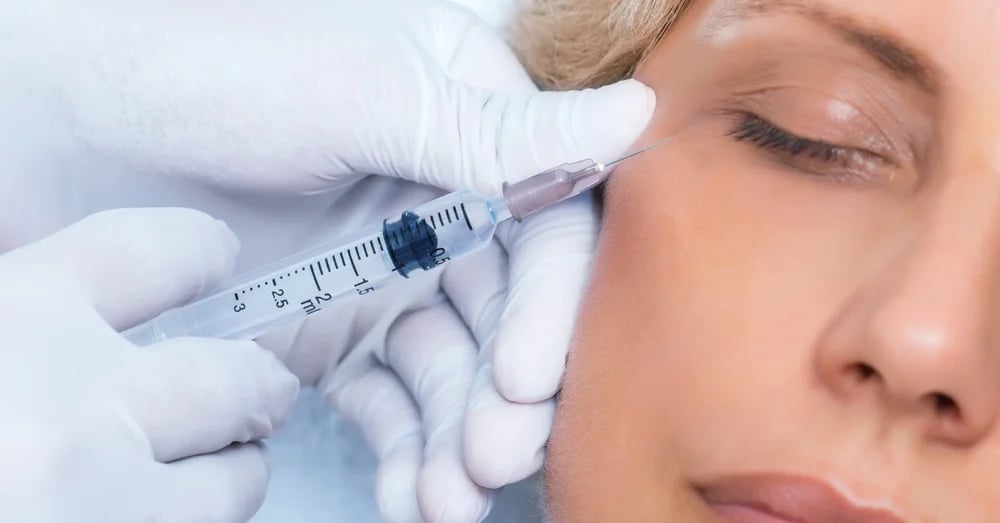
The visit is short. The clinician examines the face at rest and in motion, discusses goals, cleans the skin and injects tiny amounts with a fine needle. Most people describe brief pinches. Pinpoint bruising or small bumps can occur and fade within hours to days.
You may start to notice results within 24 to 48 hours, with full effects typically visible after 7 to 14 days. A follow-up visit allows adjustments to be made if needed. The effect then lasts roughly three to four months in most people, sometimes shorter in those with very strong muscles or fast metabolism, and sometimes longer with repeated treatment as the muscle gradually becomes less active.
Aftercare is simple but worth following. Staying upright for a few hours, avoiding rubbing the treated area, skipping strenuous exercise and heat that day and following the clinic’s other instructions reduce the chance of bruising or spread of the product. Aftercare for Botox is short, and following it carefully lowers the chance of bruising or uneven results.
How Often and How Long: The Commitment Question
This is the part people often underestimate. Preventative treatment implies repeating the injections several times a year, indefinitely, if the aim is to keep muscle movement reduced. Stopping does not cause damage or accelerate aging, but the effect fades, and the muscle returns to its previous activity.
Most patients return every three to four months, some treat less often at low doses, and others adapt the schedule to the person’s pattern of movement. There is no universal rule. Patients who want to preserve a natural look often choose to treat less often, accepting a little return of movement before the next visit.
The financial and time commitments matter as well. A plan that is easy to maintain at thirty may feel burdensome at thirty-eight. It is reasonable to ask what the cost over years would be and to compare that with other approaches. Discussing this at the start prevents later regret.
Muscle Strength, Gender and Why Doses Differ
Muscle mass and strength vary widely. Men typically have stronger facial muscles than women and often need higher doses to achieve the same effect. People with a pronounced frown or a heavy brow may need more than those with a softer pattern. Athletes and people who exercise heavily can metabolize the product faster.
This is why a standard dose for everyone is a warning sign. A clinic that treats each person the same way may be guessing. A good practice assesses movement, asks the patient to frown, squint and raise their brows and adjusts accordingly, then reviews the result and adjusts again at the next visit.
Patients should also know that over time some people find they need less. Repeated treatment can weaken the muscles in a way that makes the effect last slightly longer, though this is not universal.
Mapping Your Own Expression Before You Decide
Before any appointment, a simple exercise tells you a lot. In good daylight, look at your face at rest and note any lines that are visible when you are not moving. Then frown hard, raise your brows, squint as if in bright sun and smile broadly, and watch where the skin folds. Take photographs of each, because the camera is more honest than memory.
Lines that appear only during movement and vanish at rest are dynamic, and they are where preventative treatment has its strongest rationale. Lines that remain at rest, even faintly, are early static lines and call for a broader plan. Lines that appear on one side more than the other, or when you favor a particular expression, suggest a habit that can sometimes be changed with awareness as well as treatment.
Bring the photographs to the consultation. A clinician will see the same patterns and can say how strong the muscles are, what dose range is realistic and whether anything else about the face matters more than lines at this stage. Sometimes the answer is that visible sun spots deserve a photofacial before any injection is considered.
Natural Results: Avoiding the Frozen Look
The fear that stops many people from starting is the image of a face that cannot move. That outcome is a product of dose and placement, not of Botox itself. A skilled injector aims to soften the strongest contractions and leave enough movement for expression.
Signs of overtreatment include a smooth forehead that does not move at all, brows that look heavy or flat, and a face that appears blank when the person is meant to be surprised or concerned. These are avoidable, and a conservative first treatment is a good safeguard. Done carefully, treatment of the forehead and brow area can even read as a subtle brow lift, which is a pleasant surprise for some patients and an unwelcome one for others. Patients can always add more at a follow-up visit, but cannot remove product once it is placed.
What Starting Early Costs Over Time, and the Alternatives
Cost deserves a plain look. A treatment repeated two to four times a year for twenty years adds up to a substantial sum, and it is fair to weigh that against other uses of the same money. Sun protection, a retinoid and good sleep cost far less and have stronger evidence. For some people, waiting until lines become bothersome and then treating them is a perfectly reasonable strategy, since the same treatments work at forty as at thirty.
Other options exist for those who want something between nothing and a standing schedule. Treating once or twice a year during periods of high stress or squinting, such as a demanding work season, can soften habitual expressions. Skin treatments such as peels, microneedling and light-based therapies improve texture and collagen without affecting muscle movement. The right mix depends on what bothers the person, how fast the face is changing and how much maintenance fits their life.
Which Product: Botox, Dysport, Xeomin or Jeuveau
Several neuromodulators are available, and they are similar in action but differ in formulation, onset and unit measurement. Botox was the first and has the longest track record, while Dysport tends to spread slightly more and may start working a little sooner. Xeomin contains no accessory proteins, and Jeuveau is formulated specifically for aesthetic use with a similar onset and duration profile to Botox.
Which one a person chooses depends on the injector’s experience, the area being treated and sometimes personal preference. Units are not interchangeable between brands, so comparing doses across products is misleading. Ageless Health Institute currently offers Botox and Jeuveau, and a provider can explain during a consultation how each compares to the options you have researched.
Men, Strong Muscles and the Natural Look
Men are a growing share of patients, and their concerns differ. Men tend to have thicker skin, stronger muscles and a flatter, lower brow position, so the goal is usually to soften deep frown lines without raising the brow into a feminine arch. Doses are typically higher, and placement is more conservative at the lateral brow.
The same principles of prevention apply, and the same cautions about sun and skin care. Men who spend long hours outdoors, who golf, hike or work in construction in Arizona, often have more sun damage than they realize, and the lines on their foreheads reflect both movement and years of squinting. A plan that includes sun protection and skin treatments often delivers more than injections alone.
Safety, Side Effects and Antibodies
Botulinum toxin injections are widely used and have a long safety record when administered by trained clinicians. Common effects include mild swelling, redness, small bruises and headache. Less common effects include eyelid or brow drooping, which usually resolves in weeks as the product wears off, asymmetry and a heavy feeling in the forehead.
Serious reactions are rare. Patients should not be treated during pregnancy or breastfeeding, and certain neuromuscular conditions and medications call for caution. Anyone with a history of allergic reaction to a neuromodulator should not be treated with the same product.
A concern sometimes raised is that regular treatment leads the body to make antibodies that stop the product from working. This is uncommon with modern products and typical cosmetic doses, and it is more of a theoretical worry for people who receive very high or frequent doses. Treating at appropriate intervals and avoiding unnecessary top-ups reduce the risk. If results seem to wear off earlier than before, the cause is often a change in dose, product or muscle activity rather than antibodies, and switching products is sometimes worth considering.
Beyond the Upper Face: Jaw, Neck and Lip Flip
Neuromodulators are used in other areas as well, and these come up in preventative conversations. Injections into the masseter muscle can soften a square or bulky jawline and reduce teeth grinding in people who clench, which is a separate goal from wrinkle prevention. How long that effect lasts and why it can take longer to appear is a common question.
Light treatment of the platysma, the sheet of muscle in the neck, can reduce visible bands and, in some patients, soften the lower face’s pull downward, a treatment sometimes called a Botox neck lift. A lip flip uses tiny amounts around the upper lip to let it roll slightly outward, giving a subtle change in the way the lip shows without adding volume. These applications suit specific concerns and are not essential parts of a prevention plan.
For those curious about the lip, the choice between a flip and filler is a decision about movement versus volume. Each area adds its own set of risks and its own need for a skilled hand, so the plan should add areas one at a time, not all at once.
What Neuromodulators Cannot Do
Treatment relaxes muscles. It does not replace lost volume, tighten loose skin, fix sun damage or repair deep static lines that are already etched. For those, other treatments are used, such as resurfacing, microneedling, peels or fillers, often in combination. A person with early lines and significant sun damage may find that skin treatments change their appearance more than injections.
Thinking about the face as a set of layers helps. Muscle movement is one layer. Skin quality, collagen, volume and bone structure are others. The most effective prevention plans address several of them over time. Combining treatments is common, and spacing them sensibly protects the skin and keeps results predictable.
Skin Care, Peels and Light Treatments: The Other Half of Prevention
Because most visible aging in sun-exposed skin comes from the skin itself, a skincare foundation is at least as important as injections. Daily broad-spectrum sunscreen with an SPF of 30 or higher is the single best-supported measure. A retinoid used at night, after discussing it with a clinician, has solid evidence for improving texture and fine lines. Antioxidant serums such as vitamin C add some protection, and moisturizers help the barrier in the dry desert air.
In the clinic, light chemical peels, microneedling and photofacials treat pigment and texture and encourage collagen, with options including VI peels, microneedling and IPL photofacials chosen to fit the skin and the season. Skin that is well cared for tends to show lines later, regardless of what is done with muscles. What a person does between visits, from cleansing to sun protection, decides how long the work lasts.
Common Myths About Starting Early
Several beliefs deserve correction. One is that starting early makes the face dependent on injections. Muscles do not become permanently weaker or addicted, and stopping simply returns the face to its natural pattern. Another is that treatment thins the skin or causes sagging, which is not supported when it is done properly, although overtreating a muscle that supports the brow can create a heavy look temporarily.
A third belief is that the more you treat, the better the prevention. Higher doses and more frequent visits do not prove a better outcome, and they raise the chance of an unnatural look and, in theory, of antibodies. The best plan uses the smallest effective dose at a sensible interval, adjusts to your face and revisits the question every year.
A Plan by Decade, in Brief
In the twenties, the foundation is sun protection, sleep, not smoking and a simple routine. Neuromodulators make sense only for those with early lines at rest or very strong expression. In the thirties, a low-dose plan for the frown and forehead, along with a retinoid and periodic peels or light treatments, suits many people who see lines starting.
In the forties, lines are more likely to be static, so treatment is often combined with resurfacing, collagen stimulation or filler. The sequencing across the decades matters, and the aim in each decade is to match the plan to the changes actually present, not to a calendar.
Timing Around Events, Travel and Pregnancy Plans
Because the effect builds over about two weeks, treatment should be scheduled well before a wedding, photo shoot or big presentation, not the day before. Treating about three to four weeks ahead leaves time for the result to settle and for any touch-up. Those who intend to travel or exercise strenuously right afterward should plan around the aftercare advice.
Anyone who is pregnant, planning pregnancy soon or breastfeeding should not have neuromodulator treatment, because safety data are insufficient. A person who is trying to conceive in the next year should consider whether starting a maintenance schedule now makes sense, since it would need to pause. This is another reason that early treatment is a considered choice and not a casual one.
Choosing Where to Be Treated in Phoenix
The quality of an injection depends on the injector’s anatomical knowledge and judgment. A medical setting with a licensed clinician, appropriate oversight and a willingness to say no is preferable to a deal-driven operation that treats everyone alike. Be cautious about very low prices, unclear sourcing of product and pressure to buy large packages.
An honest provider will tell a person with no lines that she does not need treatment yet, will explain how the plan fits her face and will discuss the long-term commitment. A consultation is a good way to see whether early treatment makes sense for your face at all.
Back to the Bathroom Mirror
The woman at the mirror, in the end, did not start injections that month. She had a short conversation with a clinician who watched her frown, noted that the line was faint and that her sun exposure was more concerning than her expression, and suggested a retinoid, a daily sunscreen and a follow-up in six months. When she returned, the line had deepened slightly in photographs, and she chose a small dose in the frown area.
Neither visit was a mistake. The first was a decision to wait with a plan, and the second was a decision to act with information. That sequence, patient and proportionate, is what preventative treatment looks like when it is done well.
Frequently Asked Questions
Does preventative Botox really prevent wrinkles?
The idea is biologically plausible, and small studies suggest less etching of lines in treated areas, but large long-term trials are lacking. Regular treatment can help prevent the formation of deeper wrinkles over time, though it is not a guarantee.
What is baby Botox?
Baby Botox is a marketing term for lower-dose treatment intended to soften movement while keeping expression. There is no standard dose, so the plan should be based on your muscle strength and goals.
At what age should I start preventative Botox?
There is no right age. Candidates are people with visible lines at rest or strong expression patterns that are starting to etch lines, which can happen in the late twenties or thirties. Smooth skin with little movement may not need treatment yet.
How long does preventative Botox last?
Results may start to show within 24 to 48 hours, with full effects typically visible after 7 to 14 days, and usually last three to four months, though this varies with muscle strength and the person.
Will I look frozen if I start early?
Not with conservative dosing and placement. Lower doses and a review visit allow adjustment, and a skilled injector aims to soften strong contractions while preserving expression.
Can I stop Botox without my wrinkles getting worse?
Yes. Stopping does not cause damage or accelerate aging. The muscle activity returns over several months, and lines return to what they would have been, depending on your skin and sun exposure.
Is sunscreen more important than Botox for prevention?
For most people in a sunny climate, yes. Daily broad-spectrum sunscreen has strong evidence for slowing skin aging and works alongside injections, which target muscle movement.