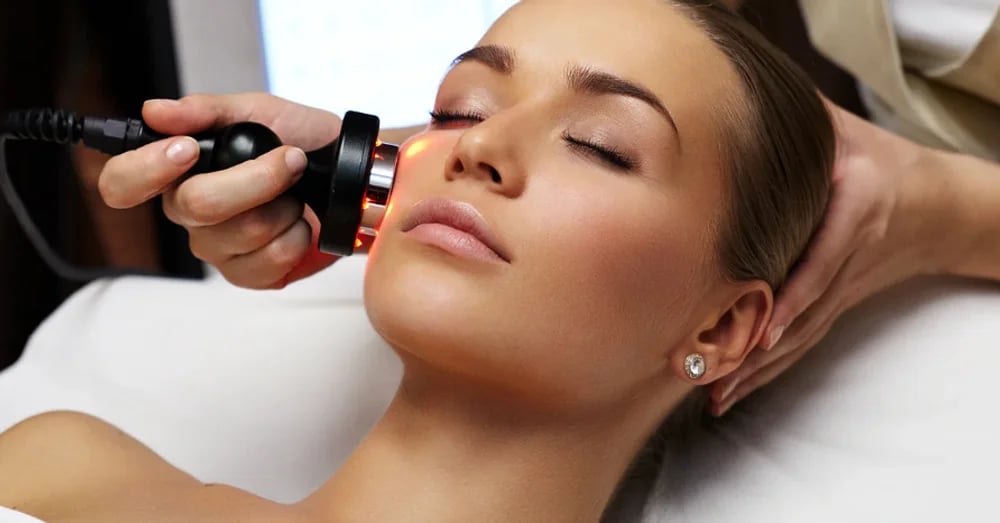
A PRP facial starts in an unexpected place: the inside of your elbow. Before anything touches your face, a small tube of blood is drawn, spun in a centrifuge and separated into layers. The layer that looks like pale amber liquid is what gets used. The red cells go in the bin. A few minutes later, that amber fluid is either injected, dropped onto a microneedled surface or shaped into a soft gel, depending on which version of the treatment you chose and which part of your face needs help.
It is a treatment with a famous nickname and a surprisingly vague reputation. People who search for it in Phoenix usually want to know the same handful of things. What exactly is in the syringe? Is it different from PRF, EZ Gel and exosomes, which clinics also list? Does it work on under-eyes, or only on skin texture? How much of it is science and how much is a good story? This guide walks through the whole process in order, starting with the tube and ending with the weeks after treatment, and it tries to be straightforward about where the evidence is firm and where it is thin.
The twenty minutes before anyone touches your face
The blood draw is the same as any routine lab draw, usually from a vein in the arm, and the amount is small. The tube is placed in a centrifuge, which spins at speed so that components separate by density. Red cells, being heaviest, settle at the bottom. White cells and platelets form a thin band above them. Plasma, the liquid portion, sits at the top.
What a clinic collects depends on its system. In a classic PRP preparation, the aim is to concentrate platelets in a volume of plasma so that the concentration is higher than in ordinary blood. Platelets are best known for clotting, but they also store growth factors, proteins that signal cells to repair tissue and build new collagen. The theory behind a PRP facial is that placing a concentrated dose of those signals in the skin nudges it to behave as though it were healing, and that healing produces fresher, thicker, better organized tissue.
Different systems give different products. Some produce a plasma that is nearly free of white cells, while others keep more of them. Some use an anticoagulant in the tube to keep the sample liquid, and others do not. These details matter less to the person in the chair than the result they affect, which is the consistency and the concentration of what ends up in the syringe. It is fair to ask a clinic what system it uses, and a good clinic will have an answer that does not involve a brand slogan.
Plain PRP: the liquid version
Standard PRP is a liquid. It can be injected with fine needles or cannulas, or it can be placed on skin that has been prepared with microneedling so that it travels into the tiny channels the needles create. The liquid has a short working life in the tissue, and the signals it carries are used up over days. For that reason, courses of treatment are often planned as a series, with sessions several weeks apart.
Liquid PRP has a long record in orthopedics and wound care, and the facial use grew from there. Studies in skin generally report improvements in texture and tone, and some report improved firmness, though the quality of evidence varies, the protocols are not standardized, and results differ from person to person. The most honest summary is that PRP is a reasonable regenerative option that works gradually and subtly, not a dramatic change delivered in one visit. Patients who expect the effect of a filler will be disappointed. Patients who want better skin quality over time, and who are willing to commit to a series, often are not.
PRP with microneedling: the version most people mean
When people say “vampire facial,” they usually mean this combination. Microneedling uses fine needles to create a lattice of tiny controlled injuries, which is itself a stimulus for collagen. PRP applied during or immediately after the needling is thought to add a layer of growth factors to the same healing response.
The practical reason clinics combine the two is delivery. Fresh microchannels give the liquid a path into the upper layers of skin, so more of it ends up where it is useful than if it were simply spread on top. The needling does some of the work on its own, and part of the open question in the field is how much extra benefit the PRP adds beyond what microneedling alone would deliver. Some studies suggest a modest advantage. Others find little difference. If you are choosing between plain microneedling and microneedling with PRP, it is reasonable to ask what the clinic expects the PRP to add for your specific concerns, and to understand that the added cost is for an adjunct, not a different procedure.
Recovery looks like recovery from microneedling. The face is pink, sometimes quite flushed, for a day or so, with a feeling like mild sunburn. Pinpoint dryness and flaking follow for a few days. Because the plasma is the patient’s own, allergic reactions to the product are not a concern the way they might be with foreign material, but infection, bruising, prolonged redness and pigment change remain possible, and clean technique matters. The day-by-day experience closely mirrors recovery from RF microneedling, with the main difference being that the energy-based version adds heat to the process and so tends to run a little pinker for a little longer.
PRF: the same idea, spun differently
Platelet-rich fibrin is spun more gently and usually without anticoagulant, so a fibrin mesh forms and traps platelets inside it. The mesh breaks down slowly, which is why clinics that offer PRF alongside PRP describe it as a slower release. The liquid layer can be injected like PRP, so for the face the practical question is not which one is better in the abstract but which suits the zone being treated, and that is taken up area by area below.
EZ Gel: when the fibrin is shaped into a soft filler
EZ Gel is plasma that has been heated in a controlled way until it sets into a soft, cohesive gel made entirely of the patient’s own proteins. It behaves as a temporary volumizer for shallow lines and small hollows, and it is gradually absorbed over weeks to a few months. It does not replace a structural filler, and a deeper or broader problem is better served by a conventional filler, a distinction that matters most in the under-eye area, where the skin is thinnest and the margin for error is smallest.
Exosomes: the newest name, and the one that needs the most caution
Exosomes are tiny packages released by cells, carrying proteins and genetic signals that tell neighboring cells what to do. In aesthetics, the term is used for products that contain these packages, usually derived from cultured cells, and applied to the skin after microneedling or other resurfacing. The pitch is that they deliver regenerative signals in a purified form without needing to take blood.
The science of exosomes in cell biology is real and active. The science of exosome products applied to the face is much earlier. Products vary widely in source, preparation and content, and there is limited high quality human data comparing them with simpler options. There are also regulatory questions. In the United States, products marketed as exosomes have drawn attention from regulators, and a clinician should be able to tell you what the product is, where it comes from, how it is regulated and what evidence supports its use. A confident claim without those answers is a reason for caution.
None of this means exosomes have no place. It means they sit at the experimental end of the range, and a patient who chooses them should do so with realistic expectations and a clear conversation about what is and is not known. Many people will find that PRP or PRF with microneedling gives them a regenerative option with a much longer track record.
Matching the version to the part of the face
Different areas of the face ask different things of the treatment, and this is where a thoughtful plan separates itself from a menu.
Full-face skin quality. For overall texture, fine lines, dullness and early laxity, PRP with microneedling is the workhorse. It treats a broad area, it is well understood, and recovery is short. A series is typical.
Under-eyes. The skin here is thin and the tissue underneath is delicate, which makes injections more technical. Liquid PRP or PRF placed superficially is sometimes used to improve skin quality, and EZ Gel may soften shallow hollows. Dark circles caused by pigment, by visible blood vessels or by a true fat pad bulge respond differently, and some are not helped by PRP at all. A careful assessment comes first.
Cheeks and midface. Regenerative treatments improve the quality of skin over this area but do not replace lost volume. For cheeks that have flattened, a structural filler or a collagen-stimulating treatment such as Sculptra does a different job, and PRP can complement it by improving the surface.
Neck and chest. These areas have thinner skin with fewer oil glands and heal more slowly. PRP with microneedling is sometimes used to improve crepey texture. Expectations should be modest and the course longer.
Scars. Atrophic acne scars sometimes improve with a series of microneedling sessions with PRP, though results vary and deeper scars often need other methods.
Scalp and hair. The same technology is used on the scalp to support thinning hair, where the evidence base is somewhat deeper. That version of the treatment follows its own protocol, with injections across the scalp instead of a facial series, and hair restoration with PRP is judged on density and shedding rather than glow.
One blood draw, five zones: how a single session gets divided
The real skill in a PRP facial is not the spin. It is deciding how to spend a small volume of plasma across a face that has several different problems at once. Picture a composite session, not a real patient: a woman in her early forties with fine lines across the forehead, thin and slightly dark skin under the eyes, dull cheeks, early crepey texture on the neck and a few shallow acne marks near the jaw.
From a typical blood draw the clinician ends up with a limited quantity of usable plasma, and every millilitre has to go somewhere. The cheeks and forehead, the largest areas, receive the liquid fraction applied over microneedling, because the goal there is broad skin quality. The under-eye area gets the most conservative treatment, a small amount placed superficially, because the tissue is thin and the downside of bruising is visible. A little of the fibrin-rich fraction or gel may go into the shallow hollow if there is one. The neck, which heals slowly, receives a lighter pass with shallower needling. The acne marks near the jaw are needled a little more deliberately, since scars respond to repeated microinjury rather than to any single product.
None of that is dictated by a brand protocol. It is judgement, made zone by zone, and it is the clearest way to tell a thoughtful clinic from one that runs everyone through the same routine. Ask how the plasma will be divided across your face and why. A clear answer tells you the clinic sees a map and not a menu.
Skin tone, pigment and the question of who needs extra care
Needling creates controlled inflammation, and in deeper skin tones inflammation can leave behind darker patches that outlast the redness. Melasma, a tendency to post-inflammatory pigment, recent tanning and a history of keloid scarring all change how aggressive a session should be. None of these automatically rules out a PRP facial, but they push the plan toward gentler needling depth, longer gaps between sessions, strict sun protection and sometimes a pretreatment skin routine. In Phoenix, where ultraviolet exposure is high nearly all year, this conversation is not optional. A clinic that asks about your sun habits, your history of dark marks and your tanning before it names a protocol is protecting you from the most common avoidable disappointment in this treatment.
How many sessions, and what you will notice
Because the effect depends on the body building new tissue, the timeline is slow. Many plans use a series of sessions several weeks apart, followed by maintenance at intervals chosen by the clinician. Skin often looks a little brighter and more even within days, mostly from the needling and the temporary glow of inflammation. The deeper changes in firmness and texture, to the extent they occur, develop over weeks to a few months as collagen is laid down.
Some patients find the changes subtle. A fair comparison is to a good sleep and diet routine: it improves the baseline and is hard to photograph on a single day. Patients who expect to look different after one session usually leave disappointed. Those who judge the course by comparing standardized photographs several months apart are better placed to decide whether it was worth it.
What a visit feels like, from check-in to leaving
A visit begins with a skin assessment and a review of health history, medications and goals. Certain conditions and drugs matter. Blood thinners, some autoimmune disorders, active skin infection, a history of keloid scarring and pregnancy can all change the advice. Patients are usually asked to avoid anti-inflammatory medications and alcohol for a short period beforehand, since these can affect bruising and, in theory, platelet function, though the specific instructions come from the clinic.
Numbing cream is typically applied for a period before microneedling. The blood draw and centrifuge run take place while it works. The needling itself produces a scratchy, vibrating sensation, and the PRP is applied or injected as the clinician works across the face. The whole appointment is usually an hour or more, with the actual treatment time shorter.
Afterward, the skin is cleaned and soothed, and a gentle balm or serum is applied. Patients are asked to avoid makeup for a day, to skip active ingredients such as retinoids and acids for several days, and to protect the skin from sun. The same rule applies to skincare in the days that follow: the barrier is temporarily compromised, and a simple routine heals best.
The week after: what is normal and what is not
Day one is pink and warm. Day two often brings tightness and a rough, sandpaper texture. By day three or four, flaking and dryness are common, and some people notice tiny dark specks as the superficial layer sheds. By the end of the first week, most people feel back to normal and look healthy.
Bruising can occur, especially around the eyes. Swelling is usually mild but can be noticeable for a day or two. A cool compress can help in the first hours; whether to reach for cold or warm compresses depends on the procedure and the day, and the safest approach is to follow the clinic’s own instructions.
Call the clinic if there is significant pain, spreading redness, pus, fever, blistering or any sign of infection. These are uncommon but should be addressed quickly. Cold sores can flare after microneedling in people prone to them, and preventive medication is sometimes prescribed.
Who should think twice
A PRP facial is not appropriate for everyone. People with active infections, some blood disorders, certain cancers, severe anemia or low platelet counts may be advised against it. A tendency to form keloids calls for caution with any needling procedure. Pregnancy and breastfeeding are generally reasons to wait, not because of known harm from the treatment but because the safe approach is to avoid elective procedures with limited data.
Expectations also matter. People who are hoping for volume, for lifting of sagging jowls or for dramatic wrinkle reduction are better served by other treatments. PRP is best for people who want to improve skin quality, who are willing to do a series and who prefer an approach based on their own biology.
Putting PRP in order with everything else
A PRP facial does not have to be a standalone event. It fits into a sequence with other treatments, and the order matters. In general, treatments that cause significant inflammation, such as deeper peels or lasers, are spaced from needling. Neuromodulators and fillers are often done on a separate visit so that swelling from one does not complicate assessment of the other. Spacing matters when combining treatments, and a clinician who knows the whole schedule can sequence them so that one never muddies the next.
Season matters in Phoenix too. Fresh skin needs sun avoidance, and the long, bright months are not ideal for repeated needling. Many patients schedule a series in the cooler part of the year, following the seasonal logic of a Phoenix skin calendar built around heat and sun.
Why the face is the easiest place to overpromise
Facial skin is visible, personal and wrapped in stories, so it is the place where claims drift furthest from evidence. A treatment that improves wound healing in a knee does not automatically produce a younger face, and a before and after photograph taken under different lighting proves very little. Swelling alone can smooth lines for a day. A tan, a hydrated barrier or a different camera angle can do the same.
This is why the strongest advocates of regenerative aesthetics tend to be the most careful about how results are judged. They photograph at the same distance, in the same light, with the same expression, before treatment and again at a fixed point afterward. They talk about texture and tone rather than age. They are comfortable saying that a given patient is unlikely to see much change, and recommending something else. If a consultation sounds like a sales script about turning back the clock, that is information too.
The forty-eight hours before a visit
Preparation is simple but worth following. Hydration helps, because well-hydrated veins make the blood draw easier and well-hydrated skin handles needling better. A normal meal beforehand avoids lightheadedness. Alcohol is usually avoided for a day or two, and anti-inflammatory pain relievers are often paused unless a physician has prescribed them, because they can raise bruising risk and may affect platelet behavior. Retinoids and exfoliating acids are generally stopped several days beforehand to keep the skin barrier intact.
Tell the clinic about anything that touches the skin or the blood: supplements such as fish oil and vitamin E, recent sun exposure or tanning, a cold sore history, new medications and any recent illness. A sunburned or inflamed face is rescheduled. A fresh tan is a reason to wait. These adjustments are routine, and a good clinic would rather move an appointment than treat skin that is not ready.
A six-month course, month by month
A realistic plan looks less like an event and more like a season. The first session sets a baseline and is usually followed by a second about four to six weeks later. Between visits, the skin goes through the usual cycle: a glowing, slightly tight first week, then a return to baseline with, ideally, smoother texture underneath. A third session at the two or three month mark consolidates the course. After that, the clinician reviews photographs and decides whether to space maintenance at three, six or twelve months, or to stop.
Other treatments are slotted around this rhythm. A VI-style chemical peel or a series of peels may be timed in the gaps for pigment or tone, and Botox for movement lines can be done on a different day entirely. By month six, the useful questions are simple. Is the skin more even? Is it holding makeup differently? Do photographs show finer pores or less roughness? If the answer is no across the board, the course has told you something, and the plan can change.
Questions about safety that deserve straight answers
The draw and spin happen in a closed system with sterile tubes. The patient’s own blood is not stored and is used the same day, which removes concerns about donor material. The main safety issues are the same as for any needling procedure: infection, irritation and, rarely, scarring or pigment change. Reputable clinics follow strict single-use practice for needles and tubes, and prepare the skin properly.
Another question is whether the treatment is approved. In the United States, the centrifuge systems used to prepare PRP are cleared as devices for specific uses, and using the product on the face is generally considered off label. This is common in medicine and not a problem in itself, but it is another reason to have a frank conversation about evidence.
Who is a good candidate in practice
The person who tends to be happiest is often in their thirties to fifties, has skin that has lost some brightness and smoothness, and wants a measured, gradual approach. They are comfortable with a series, patient about results and willing to protect their skin from the sun. They are not looking for a replacement for filler or surgery.
For a first step, a consultation with a clinician who examines the skin and discusses all options, including the ones that do not involve blood, gives the best foundation. Ageless Health Institute offers a consultation to sort through these questions, and people who join an aesthetic membership often plan regenerative sessions alongside their regular visits.
When regenerative treatment is the wrong first move
Sometimes the best advice is to start somewhere else. A person with deep folds from volume loss will see more from structural filler. A person whose main complaint is sun damage may need pigment and vessel treatment before anything regenerative. A person whose skin is inflamed, over-exfoliated or reacting to a new product needs the barrier repaired first, because needling a compromised surface adds to the injury. And a person who is taking a break from an active acne cycle may do better to settle the acne before adding anything that encourages the skin to turn over faster.
Sequence is part of the value a clinic provides. Regenerative work tends to perform best on skin that is calm, protected and already on a sensible routine, which makes it a good second or third step for many patients and a poor first one for some.
The honest bottom line
PRP and its relatives are interesting because they use the body’s own repair signals instead of adding foreign material. They are not magic, and the evidence is stronger for some uses than for others. For skin quality, texture and gentle rejuvenation, they offer a reasonable, low-risk option when done properly and when expectations are realistic. For volume, lifting and deep lines, other tools do the job.
The best way to choose among PRP, PRF, EZ Gel and exosomes is to start with the problem, not the product. Know what you want to change, understand which layer of skin and tissue is responsible, and then ask which option has the best fit and the best evidence for that layer. A clinic that begins with questions about your face, and not with the name of a treatment, is likely to guide you well.
Frequently Asked Questions
What is in the syringe during a PRP facial?
It is the patient’s own platelet-rich plasma, made by drawing a small amount of blood and spinning it in a centrifuge to concentrate the platelets in a layer of plasma. The red cells are discarded.
Is a PRP facial the same as a vampire facial?
The term vampire facial usually refers to microneedling combined with PRP applied to the skin. The experience is similar to microneedling, with the added step of the blood draw and plasma application.
How is PRF different from PRP?
PRF is spun more gently and usually without anticoagulant, so a fibrin matrix forms that holds platelets and releases growth factors more slowly. PRP is a liquid that delivers its signals more quickly.
What is EZ Gel?
EZ Gel is a soft gel made by gently heating the plasma portion of the patient’s blood. It is used as a temporary filler for shallow lines and small hollows and is not a substitute for structural fillers.
Where do exosomes fit?
Exosomes are tiny signaling packages derived from cultured cells and applied after microneedling. They are at an earlier stage of evidence than PRP, so a clinic should be able to explain the product, its source and its regulatory status.
Does PRP work for under-eye circles?
It may improve the quality of thin under-eye skin, but dark circles caused by pigment, visible vessels or fat bulges respond differently. An examination is needed to see whether it is a good fit.
How many PRP facial sessions will I need?
A series of several sessions spaced weeks apart is typical, followed by maintenance chosen by the clinician. Changes develop gradually over weeks to months.
Is a PRP facial painful?
Numbing cream is applied beforehand, and most people describe a scratchy, vibrating sensation during needling. The blood draw is similar to a routine lab draw.
What is the downtime?
Expect pinkness and tightness for a day or two, then dryness and flaking for a few days. Most people are comfortable returning to normal activity soon, with sun protection.
Who should not have a PRP facial?
People with active infection, certain blood disorders or cancers, low platelet counts, a keloid tendency, or who are pregnant or breastfeeding may be advised to avoid it. A consultation will review health history.
Will PRP give me volume like filler?
No. PRP improves skin quality and may stimulate collagen gradually, but it does not replace lost volume the way structural fillers do.
Is PRP covered by insurance?
Cosmetic PRP treatments are generally not covered by insurance. The practice can explain what applies to individual cases.