The word regenerative has become one of the most persuasive words in aesthetics. It suggests renewal and repair, something more wholesome than a syringe of filler, a treatment that works with the body and not on it. It also appears on menus next to products whose evidence ranges from decent to almost nonexistent, which leaves a patient typing “regenerative aesthetics near me” into a search bar with no easy way to tell which is which.
This guide sorts the common regenerative offerings into three honest piles: what has reasonable support, what is plausible but unproven, and what is newest and needs the most careful questions. It explains how each works in plain terms, what to expect from a session, what the risks are and how to judge a clinic that uses the word. It is written for adults in the Phoenix area who want the real picture, in the practical spirit of the team at Ageless Health.
What the word is supposed to mean
In medicine, regenerative approaches aim to help the body repair or renew tissue, using the body’s own biology, materials derived from it or, in some cases, materials from other sources. In aesthetics, the term has been stretched to cover almost anything that is said to stimulate healing or rejuvenation. A treatment can be called regenerative because it uses your own blood, because it triggers a wound healing response, because it contains growth signals or simply because the marketing team liked the word.
The practical approach is to ignore the label and ask three questions about any specific treatment. What exactly is being used? What is the mechanism by which it is supposed to work? And what evidence, in humans, shows that it does?
Pile one: approaches with reasonable support
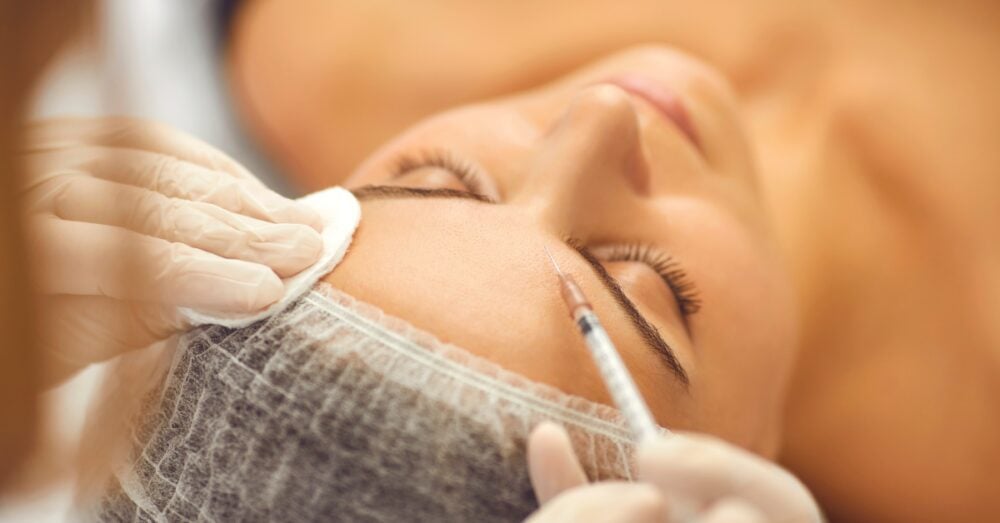
Platelet rich plasma. PRP is made by drawing a small amount of your blood, spinning it in a centrifuge to concentrate the platelets and then using the resulting plasma. Platelets carry growth factors involved in healing, and the idea is to deliver a concentrated dose to an area, either by injection or alongside microneedling. It has been studied for years in orthopedics, hair loss and skin, with mixed but generally encouraging results in some uses, particularly for certain types of hair thinning and for improving skin texture when paired with microneedling. Because it comes from your own blood, the risk of allergic reaction is low, though infection, bruising and uneven results are possible. PRP therapy is prepared during the visit from a small blood draw.
Platelet rich fibrin. PRF is a related approach in which the blood is spun in a way that produces a fibrin matrix rich in platelets and other cells, without the anticoagulant used in many PRP preparations. The matrix is thought to release growth factors more slowly. It is used in similar ways, and some clinicians favor it for certain areas, including the under eye region, though high quality comparative studies against PRP are limited. The practical differences between PRP, PRF and exosomes come down to preparation and sourcing.
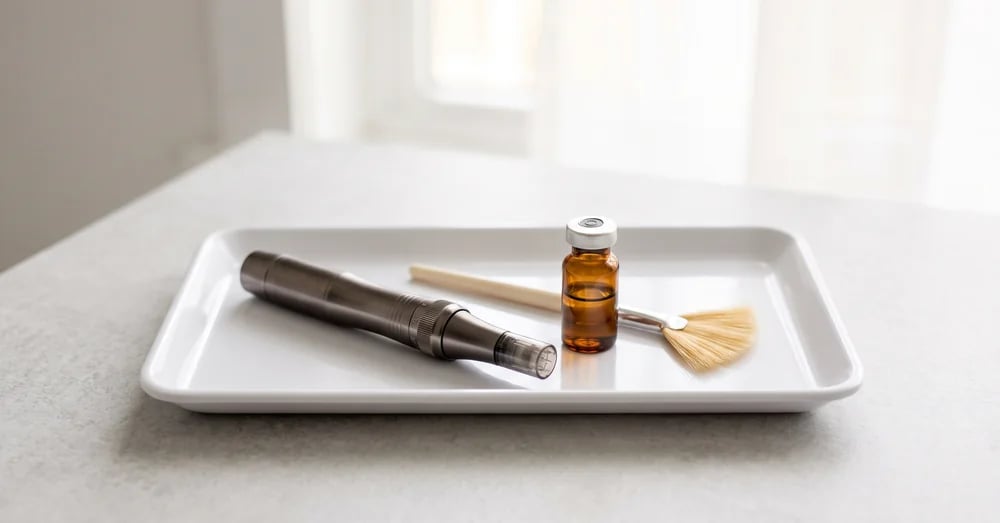
Microneedling. This is the physical stimulus that underlies much of regenerative skin work. Tiny controlled injuries prompt the skin to produce collagen, and the evidence for improved texture and scarring is stronger than for many of the products that are layered on top. With radiofrequency added, the heat can improve laxity as well. The choice between microneedling with and without heat depends on what you want to change, and recovery from RF microneedling differs from needles alone.
In short, treatments that use your own platelets and the controlled injury of microneedling have a plausible mechanism and some human evidence, and they carry relatively modest risk when performed correctly. That does not mean the results are dramatic. Effects tend to be gradual and moderate.
Pile two: plausible but not yet proven
Growth factor serums and injectables. Products containing growth factors, either extracted from cultured cells or produced in other ways, are widely marketed for skin. The biology is interesting, because growth factors do signal cells to behave differently. The difficulty is delivery and evidence. Large molecules do not easily cross intact skin, and many of the studies on topical growth factor products are small, short or sponsored by the manufacturer. Injectable growth factor therapies are a different matter from creams, and they belong with a clinic that can explain exactly what is used, where it comes from and what it is expected to do. PRP, PRF and EZ Gel are the most familiar way of delivering growth factors, because they come from your own blood.
Combinations. Clinics often combine PRP or PRF with microneedling, fillers or other treatments, sometimes under proprietary names. These combinations are plausible and sometimes sensible, because each part has a rationale. But combining treatments does not multiply evidence, and a catchy name does not make a protocol validated. The sensible approach is to ask what each component is expected to do and to treat the combination as a reasonable but not proven plan. The broader principle of spacing and sequencing comes down to combining treatments sensibly.
Whole body regenerative concepts. Some practices extend the word to include general wellness, hormone optimization and other therapies. Some of those, such as hormone therapy where indicated, have real medical foundations, and others do not. The point is that the word regenerative does not tell you which is which, and the treatment that sits behind it needs to be judged on its own.
Pile three: the newest options and the boldest claims
Exosomes. Exosomes are tiny vesicles released by cells that carry proteins and genetic material and take part in communication between cells. They are a serious area of scientific research, and in aesthetics they are one of the newest regenerative options, applied to the skin during microneedling or injected to target specific concerns. The science of exosomes in cell biology is real and active, while the science of exosome products used on the face is much earlier. Products vary in source, preparation and content. That is why a clinic offering them should use products that have been screened for safety and should be able to explain what the product is, where it comes from and how it is regulated.
None of this means exosomes have no place. It means they sit at the newer end of the range, and a patient who chooses them should do so with realistic expectations and a clear conversation about what the product is, where it comes from, what evidence supports the expected benefit and what regulatory status it has. A clinic that is open about these questions is a better sign than one that is not. Many people will also find that PRP or PRF with microneedling gives them a regenerative option with a much longer track record.
Stem cell claims. Claims that a product will “rebuild” the face with stem cells run ahead of the evidence for cosmetic use. Treatments prepared from a person’s own blood, such as PRF, and products from screened, documented sources used under appropriate regulation are a different matter from products of uncertain origin sold under the stem cell name. The practical step is to ask exactly what is in the product and where it comes from, because quality varies widely.
Bold claims of reversal. Any treatment that promises to reverse ageing, regrow collagen to youthful levels or rebuild tissue on a time scale of days is making a claim that human evidence does not support. Enthusiasm is not evidence, and a before and after photograph is not a trial.
Why the evidence in this field is thin
Several features of aesthetic medicine make strong evidence hard to come by. Treatments are often compared informally, with no control group. Outcomes are subjective, and patients who pay for a treatment tend to be satisfied with it. Protocols vary widely between clinics, which makes studies hard to compare. Many studies are small and short and sponsored by the companies that sell the product. And improvement from combining a treatment with a structured skin routine can be hard to separate from the treatment itself.
None of this means regenerative treatments do not work. It means the honest summary is often “may help, effect modest, evidence limited,” and that a clinic confident enough to say so is more trustworthy than one that promises certainty.
What a session of PRP or PRF is like
For the approaches with reasonable support, a typical session follows a recognizable pattern. After an assessment and a conversation about goals, a small amount of blood is drawn. The blood is processed in a centrifuge, which takes several minutes. During this time numbing cream may be applied to the treatment area.
The platelet rich product is then used either by injection or applied to the skin during or after microneedling. The treatment itself takes a short time, and most people describe a pinch and some pressure.
Afterward, redness, swelling and mild tenderness are common and typically settle within days. Makeup and sun exposure are usually restricted for a short period. Whether heat or cold compresses suit the first days depends on the procedure and the timing.
A course typically involves more than one session, spaced a few weeks apart, with results building gradually over a few months. The honest expectation is improved texture, glow and perhaps a modest tightening, not a different face.
PRP for hair and the broader regenerative story
Hair is where PRP has some of its best known support. Some studies suggest that PRP can improve hair density in certain types of thinning, particularly early androgenetic hair loss, although protocols vary, results are modest and not everyone responds. Before any hair treatment, diagnosis matters, because thinning can come from hormones, thyroid, iron, stress, medications and genetics. Anyone considering PRP for hair loss should keep that diagnostic step in mind, and wider hair restoration options are worth knowing about.
Hormonal factors also play a part in hair and skin for many adults, which is where hormone therapy and the question of whether HRT helps hair loss come in, a good reminder that regenerative treatments work best when the underlying cause has been identified.
Skin rejuvenation without the buzzword
Because many people searching for regenerative aesthetics really want healthier, better looking skin, it helps to step back and see the full menu. Sun damage, pigment and rough texture respond well to peels and light based treatments. Texture, scars and laxity respond to microneedling and radiofrequency. Dehydration and dullness respond to hydration focused treatments, and an injectable skin booster such as SkinVive addresses the dryness that a desert climate makes worse. Volume loss is a separate problem with separate answers. Many of these have longer track records than newer regenerative options, and they deserve a seat at the table.
A medical grade peel such as the VI Peel is an example of an established way to improve tone and texture. It illustrates a point worth repeating: a treatment does not need the word regenerative to be effective, and an effective treatment with a clear evidence base is often a better choice than a new one with a better story.
Why PRP and microneedling are so often paired
If you read enough clinic menus, you notice that platelet rich preparations are rarely offered alone for skin. They arrive alongside microneedling, and the pairing is not arbitrary.
Microneedling creates thousands of tiny channels in the skin. Those channels trigger the skin’s own repair response, and they also make it easier for a topical product to reach the layers beneath the surface. Applying a platelet rich preparation immediately afterward places a concentrated dose of growth signals in a skin that is already primed to heal. The logic is sound, and small studies suggest that adding platelet rich plasma to microneedling can improve outcomes such as texture and scarring compared with needling alone, though the size of the extra benefit is modest and not every study agrees.
The practical consequence is that much of the improvement a patient sees from this combination may come from the microneedling itself. That is not a criticism. It is a reason to ask what the add on contributes, what it costs and whether the result justifies it. A clinic that can answer plainly is worth listening to.
A realistic month by month picture
Because regenerative skin treatments work through the body’s own repair, the timeline is slow, and it helps to know what normal looks like.
In the first days, expect redness, a feeling like mild sunburn and some tightness. Skin may look slightly rough or flaky as it renews. This is the wound healing response doing what it is meant to do, and it is the reason sun avoidance and gentle skin care matter in this window.
Over the first couple of weeks the redness settles, and skin often looks fresher and more even. This early glow is partly the result of swelling and increased blood flow, and it is not the full effect.
Over the following weeks to months, collagen remodeling continues, and any change in texture, fine lines or scarring becomes more apparent. This is when a series of sessions begins to show cumulative benefit. Patients who judge the result at two weeks often underestimate it, and patients who judge it at a flattering moment often overestimate it. Consistent photographs under the same lighting, taken at set intervals, protect against both mistakes.
After a course ends, the skin continues to age, so results are not permanent. Maintenance is a personal decision, based on how much you value the benefit.
Skin tone, scarring and why technique matters
Microneedling and related procedures are generally considered safe across skin tones when performed carefully, but depth, intensity and aftercare matter more than usual in deeper skin tones, where inflammation can trigger darkening of the skin. Anyone with a history of keloid or thick scarring should say so before treatment. A cautious clinician starts conservatively, adjusts based on how your skin responds and will often test an area first.
Aggressive treatment is not better treatment. More depth, more passes and shorter intervals raise risk faster than they raise benefit. A patient who is told that a harsher approach will deliver faster results should ask why, and a thoughtful clinic will explain the trade off in terms of healing time and risk.
What about products you use at home
Many regenerative themed products are sold for home use: serums with growth factors, peptides and other signaling ingredients, and devices such as at home needling rollers or light based gadgets. The evidence for most of them is weaker than for clinic treatments, and the quality and concentration of active ingredients vary widely.
A few principles help. Daily sunscreen is the single most effective product for the skin you are trying to rebuild. A good moisturizer supports the barrier, which matters in a dry climate. An ingredient with long standing support, such as a retinoid when appropriate for your skin, outperforms most trendy additions. Home needling devices, if used, should be used with caution, since hygiene and technique affect safety, and they are not equivalent to professional treatment.
The simplest test for any product is whether the claims are specific, modest and supported by something other than testimonials.
Sourcing and regulation, in plain language
Behind every regenerative product is a question patients rarely think to ask: where does it come from, and who regulates it?
Products derived from your own blood, such as PRP and PRF, are prepared at the point of care from your own material. The key variables are the kit or device used, the preparation technique and the sterility of the process. These are comparatively easy to evaluate.
Products derived from other sources, including cultured cells, donated tissue or other biological materials, raise additional questions about sourcing, screening, processing and regulatory status. In the United States, products that are more than minimally processed and used for a therapeutic effect are generally regulated as drugs or biologics and need approval to be marketed for that use. A clinic should be able to tell you which category a product belongs to and what it can legitimately claim.
If a clinic cannot or will not explain the source and regulatory status of a product it wants to inject into your face, that is a reason to pause.
When the better answer is a simpler treatment
It is worth saying plainly that for many people the best result per dollar does not come from the newest regenerative option. A patient with dull, sun damaged skin may see the most improvement from a good peel and a consistent routine. A patient with early lines may do best with a neuromodulator. A patient with volume loss may need a different tool altogether. A patient whose real problem is fatigue or poor sleep may find that no skin treatment satisfies until those are addressed.
A clinic that is willing to steer you toward a simpler or cheaper treatment when it fits is demonstrating the kind of judgment that makes the rest of its advice more credible.
Planning around your calendar
Because the downtime is modest but real, planning matters. Avoid scheduling a treatment immediately before an important event, since redness and peeling can last several days. If you have outdoor commitments, plan sessions for a period when you can stay out of strong sun. Spacing sessions several weeks apart is typical, and a course across a few months fits comfortably into a cooler season.
If you travel from other parts of the Valley or beyond, ask how follow up and any concerns between sessions are handled.
Inflammation, healing and the inside layer
One reason the regenerative idea resonates is that it touches something real: the body’s capacity to heal depends on the conditions it is working in. Chronic inflammation, poor sleep, high blood sugar, smoking and nutrient deficiencies all impair healing and accelerate visible ageing. This is the territory of functional medicine, where the focus is on identifying and addressing underlying contributors such as chronic inflammation, which slows healing.
If the inner conditions are poor, even the best regenerative treatment will underperform. A plan that starts with sleep, nutrition, movement and sun protection, and then adds treatments, tends to deliver more value than one that begins with an injection.
The Phoenix angle
Strong sun, low humidity and heat shape what regenerative skin treatments can do here. Cumulative sun damage is the biggest enemy of collagen, and it undoes much of what a treatment achieves if protection is lax. Healing after procedures can be slower or more irritated in very dry conditions, so a gentle, hydrating routine and sun avoidance are important in the days after treatment.
Many people schedule skin treatments in the cooler months, when staying out of the sun is easier. If you spend much of your time outdoors for work or sport, discuss realistic timing with the clinic, and make sure sunscreen and protective clothing are part of the plan.
Judging a clinic that uses the word
The word itself is a reason for a closer look, not a reason for confidence. A good clinic can tell you exactly what it uses, how it is prepared and where it comes from. It describes what is known and what is not. It does not guarantee results. It is willing to say that an approach is experimental, and it keeps records of what it does so that outcomes can be reviewed.
A less reassuring clinic is vague about the product, cannot say where it comes from, relies on testimonials and promises dramatic or permanent results. If a treatment is expensive and the answers to simple questions are evasive, the price is a signal in itself.
Cost deserves a sensible approach. A modest, well evidenced treatment is usually a better investment than an expensive, speculative one, and a course that has a defined end point is easier to judge than an open ended program.
Risks to keep in mind
Treatments that use your own blood are generally low risk, but not risk free. Bruising, swelling, infection and uneven results can happen. Any injection carries a small risk of vascular complications, which require urgent attention. Microneedling can cause temporary redness, irritation and, if mishandled, scarring or pigment changes, especially in darker skin tones. Products of uncertain origin carry additional risks, including contamination and unpredictable reactions.
People who should be cautious or avoid these treatments include those who are pregnant or breastfeeding, who have blood disorders or take blood thinners, who have active infections or inflammatory skin disease in the area, or who have a history of poor wound healing or abnormal scarring. A clinician should ask about all of these.
Setting expectations that survive contact with reality
A realistic story about regenerative treatments is modest and incremental. Skin looks a little healthier, texture improves, glow increases, and in some cases, hair density improves somewhat. The effect is gradual and varies from person to person, and it is usually subtler than the marketing suggests.
A useful test before committing to a course is to ask what result would count as success and when you will evaluate it. If the clinic cannot answer, the plan is probably not well defined. Photographs under consistent lighting, taken before treatment and again at a set point afterward, are the best way to judge honestly.
Getting started
A good way to get started is to share your goals, your medical history, your medications and any treatments you have already tried with the clinician and they can then tell you which of the approaches described here are worth considering for your situation and which can safely be skipped.
Summing up
Regenerative aesthetics is a label covering treatments of very different quality. Approaches that use your own platelets, such as PRP and PRF, and the controlled stimulus of microneedling have a plausible mechanism, some human evidence and modest risk, with results that are gradual and moderate. Other growth factor products and combinations are plausible but not yet proven. Exosomes are the newest option, with real science behind them and early human data, so they call for realistic expectations and a clear conversation about sourcing, screening and regulatory status. The best defense against hype is to ask what is being used, how it is supposed to work, what the human evidence shows and what the regulatory status is, and to favor clinics that answer plainly.
Frequently Asked Questions
What is regenerative aesthetics?
It is a broad, loosely defined label for treatments that aim to stimulate the body’s own repair processes, such as PRP, PRF, microneedling and growth factor or exosome products. The term has no strict definition, so the specific treatment matters more than the label.
Is PRP effective for skin?
PRP has some supporting evidence for improving skin texture, particularly when combined with microneedling, and for certain types of hair thinning. Results are generally modest and gradual, and individual response varies.
PRP or PRF: what changes in the preparation?
Both use your own blood. PRP is plasma with concentrated platelets, while PRF is spun in a way that forms a fibrin matrix that may release growth factors more slowly. High quality head to head studies are limited.
What should I ask before an exosome treatment?
Ask what the product is, where it comes from, how it has been screened for safety and what evidence supports its use. A clinic offering exosome treatments should answer each of these clearly.
Do growth factor injections work?
Growth factors are biologically active, and PRP, PRF and EZ Gel deliver them from your own blood with the longest track record. Evidence for other cosmetic growth factor injections is more limited, so a clinic should explain what it uses and be candid about the strength of evidence.
Are regenerative treatments safe?
Treatments that use your own blood are generally low risk, with bruising, swelling and infection as possibilities. Products of uncertain origin carry additional risks, and any injection has a small chance of vascular complications that need urgent attention.
How many sessions are needed and how long do results last?
It depends on the treatment, but courses often involve several sessions spaced weeks apart, with gradual improvement over months. Duration varies, and a clinic should give a realistic range without guarantees.
How do I tell a trustworthy clinic from a hype driven one?
A trustworthy clinic names exactly what it uses, explains the mechanism and evidence honestly, discusses risks and regulatory status, avoids guarantees and defines in advance how success will be judged.